

When to Repot Your Plants and How to Tell It Is Time
Sep 04, 2026
Your plant's roots are circling the bottom of its pot right now, and you probably don't even know it. Most plant parents wait until their green friends are visibly struggling before considering a bigger home, but knowing when to repot a plant can mean the difference between a thriving houseplant and one that's barely surviving. The good news is that plants send clear signals when they need more space, and once you learn to read them, you'll never have to guess again.
What are the signs that a plant needs repotting?
A plant needs repotting when roots grow through drainage holes, circle the soil surface, or push the plant upward out of its container. Additional signs include water running straight through without absorbing, stunted growth despite proper care, and soil drying out within 1-2 days of watering.
When is the best time of year to repot plants?
The best time to repot most plants is during early spring (March through May) when they enter their active growing season and can recover quickly from transplant stress. Avoid repotting during fall and winter when plants are dormant, as this increases the risk of root rot and shock.
How much bigger should a new pot be when repotting?
A new pot should be 1-2 inches larger in diameter than the current pot for small to medium plants, and 2-3 inches larger for large plants. Choosing a pot that is too large causes soil to retain excess moisture, leading to root rot and fungal problems.
Table of Contents
Why Plants Need New Homes
Your houseplants are basically living in tiny apartments, and just like people, they eventually need more space to grow. Plants don't stop growing their roots just because they hit the edge of a pot. Those roots keep searching for water and nutrients, circling around and around until they run out of room. When this happens, your plant becomes what we call rootbound, and that's when problems start to show up.
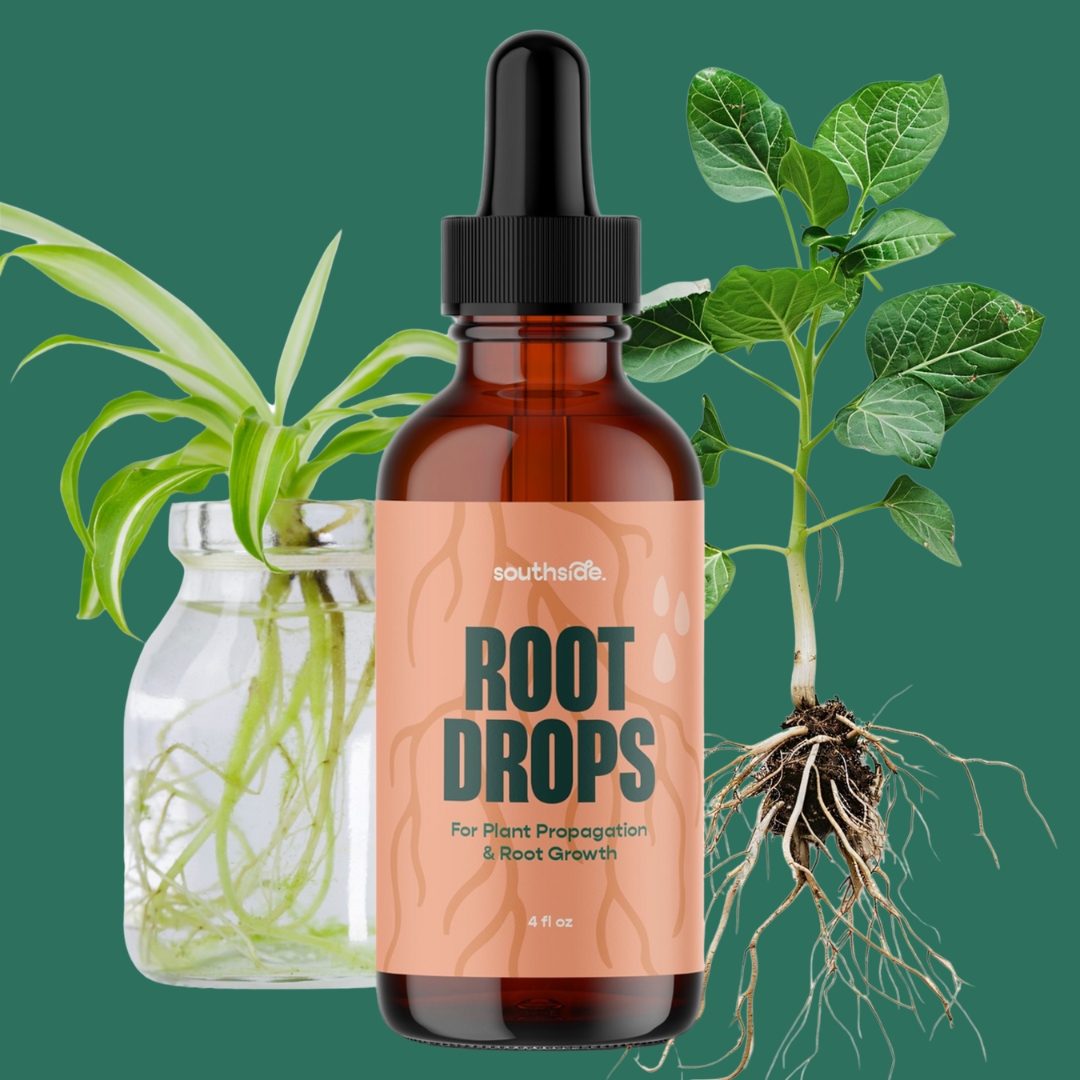
Root Drops - For Propagations & Repotting
How Container Size Affects Growth
The pot your plant lives in controls how big it can get. Think of it like wearing shoes that are too small - you can survive, but you won't be comfortable or healthy. When roots run out of space, they can't absorb enough water or nutrients, even if you're watering and feeding regularly.
Here's what happens when plants stay in small containers too long:
- Water runs straight through the pot because there's more root than soil
- Nutrients get used up faster with nowhere for roots to explore
- Growth slows down or stops completely
- Leaves turn yellow or brown even with proper care
Different Plants Different Schedules
Not all plants need repotting at the same time. Fast growers like pothos and syngoniums might need new pots every year, while slow growers like snake plants can hang out in the same container for several years. Knowing when to repot a plant depends on understanding its natural growth pattern.
| Plant Type | Repotting Frequency | Growth Speed |
|---|---|---|
| Pothos, Philodendron | Every 1-2 years | Fast |
| Begonia, Syngonium | Every 1-2 years | Moderate to Fast |
| Snake Plant, ZZ Plant | Every 3-5 years | Slow |
| Succulents, Cacti | Every 2-3 years | Very Slow |
Using the right soil mix makes a huge difference too. Our BEGONIA Premium Potting Mix and SYNGONIUM Premium Potting Mix are designed specifically for these plant types to give roots the perfect environment after repotting.
Timing Matters for Success
Spring and early summer are the best times to repot most houseplants because that's when they're actively growing. Repotting during their growing season helps them recover faster and adjust to their new home. Winter repotting can stress plants out since they're usually resting and not putting out new growth.
Temperature and light levels also play a role in recovery time. Plants moved to new pots during warm, bright months bounce back quicker than those repotted in darker, colder seasons. That's why figuring out when to repot a plant isn't just about the roots - it's about timing it right with nature's schedule.
Clear Signs Your Plant Needs Repotting
Most houseplants need repotting every 12 to 18 months, but your plant will tell you when it's ready if you know what to look for. The signs aren't always obvious at first, especially if you're new to plant care. Some plants can go years in the same pot while others outgrow their homes in just a few months. Learning to read these signals will help you catch problems before your plant starts suffering.
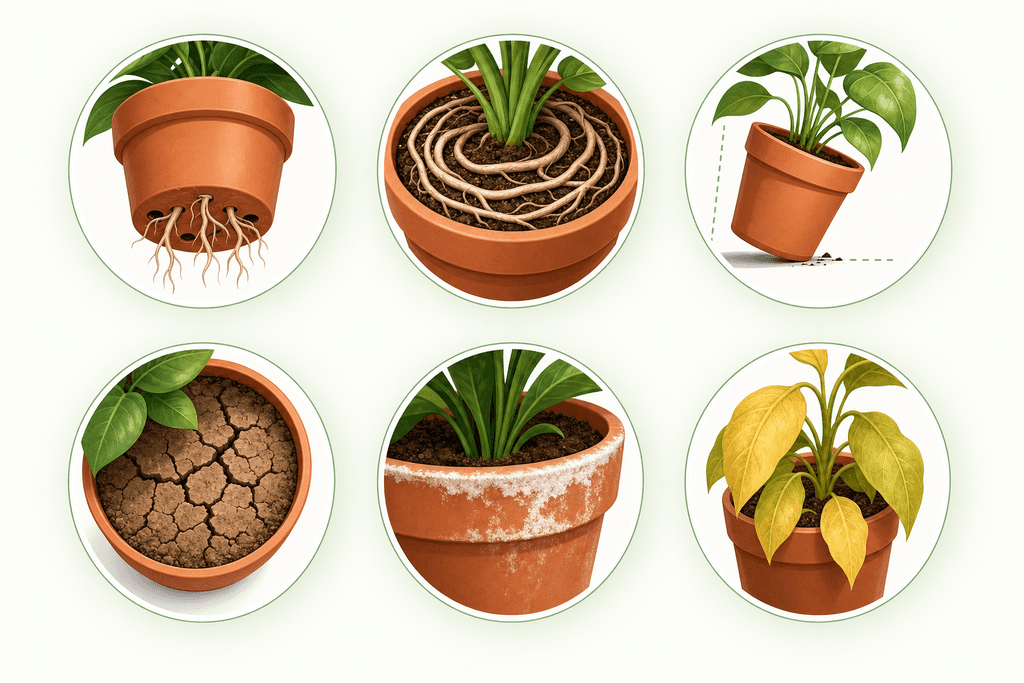
Roots growing through drainage holes are usually the first sign most people notice. When you see white or tan roots poking out the bottom of your pot, your plant is literally trying to escape. You might also spot roots circling around the top of the soil, which means there's nowhere left for them to grow down below.
- Water runs straight through the pot without being absorbed, pooling on top or draining immediately
- Your plant tips over easily because it's become top-heavy and the roots have filled all available space
- Growth has completely stopped even during spring and summer when plants should be actively growing
- Soil dries out within a day or two of watering when it used to stay moist for a week
- White crusty buildup appears on the soil surface or pot edges from salt and mineral accumulation
The watering issue is particularly tricky because it mimics other problems. When roots take up all the space in a pot, there's barely any soil left to hold moisture. This means you'll find yourself watering more and more frequently, but your plant still looks thirsty.
Quick Checklist:
- Check drainage holes for visible roots
- Look at soil surface for circling roots
- Test how quickly water drains through pot
- Notice if plant tips over more than usual
- Track growth patterns during growing season
- Watch for crusty white deposits on soil
Best Times of Year to Repot
Spring is the best time to repot almost every houseplant you own. Plants naturally wake up from their winter rest and start pushing out new growth between March and May. This active growth phase means your plant can quickly recover from the stress of being moved and establish roots in fresh soil. Repotting during this window gives your plant the entire growing season to settle into its new home.
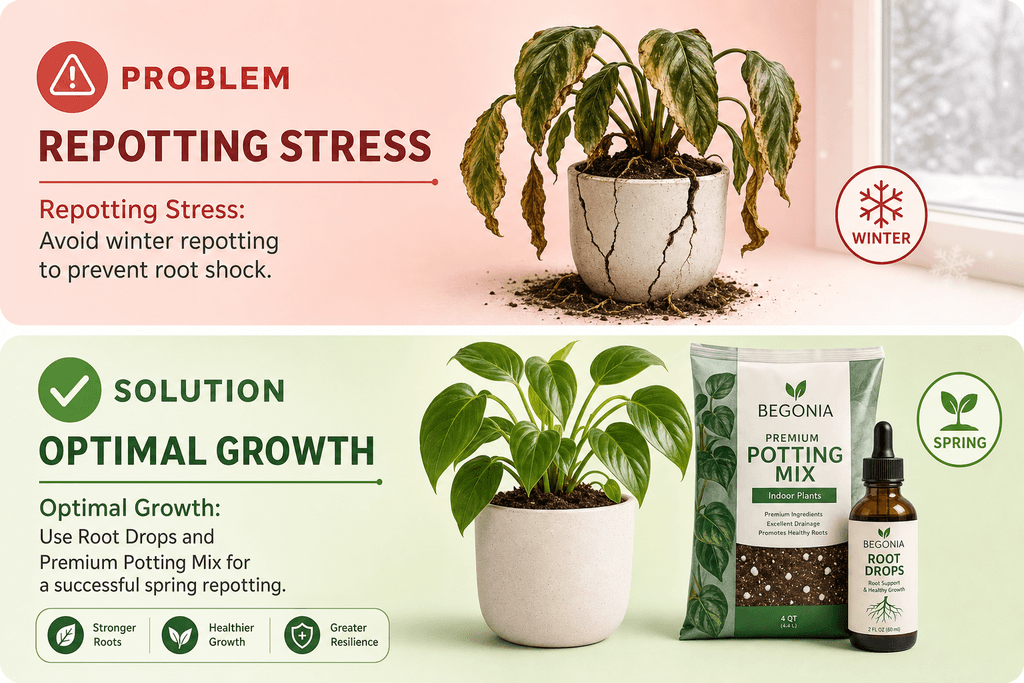
Winter repotting should be avoided unless you have an emergency like root rot or a broken pot. Most houseplants go dormant or semi-dormant during winter months, which means they're not actively growing new roots. When you repot a dormant plant, it just sits in wet soil without drinking much water, and that's when problems start.
| Season | Repotting Status | Success Rate |
|---|---|---|
| Spring | Ideal time | Highest |
| Summer | Acceptable with care | Good |
| Fall | Emergency only | Moderate |
| Winter | Avoid if possible | Lowest |
Summer repotting can work if you're careful about watering and keep your plant out of intense heat for a week or two. The challenge is that plants lose more water through their leaves during hot weather, and freshly repotted roots can't always keep up with that demand. If you must repot in summer, do it on a cloudy day or in the evening.
Flowering plants need special consideration because repotting during bloom can cause them to drop their flowers. Wait until after the blooming period ends to move these plants. You can learn more about timing and care in our plant care guides for specific varieties.
How to Actually Repot Without Killing Your Plant
The biggest mistake people make when repotting is choosing a pot that's way too big. You only need to go up one or two inches in diameter from your current pot. A pot that's too large holds excess moisture that roots can't absorb, which leads to root rot and other issues. Think of it like buying shoes for a kid - you wouldn't buy shoes three sizes too big just to avoid shopping again next year.
Fresh potting mix matters more than you think. Old soil gets compacted and loses its ability to drain properly. Different plants need different soil types, so a specialized mix for begonias or a premium blend for syngoniums will give you better results than generic potting soil.
- Water your plant a day before repotting so the root ball slides out easier
- Gently remove the plant from its current pot by tipping it sideways and squeezing
- Loosen the roots with your fingers if they're circling, but don't tear them apart
- Add fresh soil to the bottom of the new pot, then center your plant
- Fill in around the sides with more soil, leaving space at the top for watering
- Water thoroughly until it drains from the bottom holes
After repotting, your plant needs a recovery period. Keep it out of direct sunlight for three to five days while it adjusts to its new environment. This is also when Root Drops become incredibly helpful - they reduce transplant shock and encourage healthy root development in the fresh soil.
The first few weeks after repotting are critical for long-term success. Don't fertilize right away because fresh potting mix already contains nutrients. Wait at least a month before you start your regular feeding schedule. You can find more details about proper fertilizing timing in our guide on how to fertilize your houseplants.
Post-Repotting Care Steps:
- Move plant to indirect light location
- Monitor soil moisture daily for first week
- Add Root Drops to reduce shock
- Avoid fertilizing for 4-6 weeks
- Watch for signs of stress or wilting
Understanding when to repot a plant comes down to observation and timing. Most apartment dwellers find that checking their plants every few months helps them catch issues early. If you're still learning the basics, our beginner-friendly plant care guide covers everything from watering schedules to light requirements.
Keep Your Plants Thriving
Knowing when to repot a plant comes down to watching for a few clear signs. Roots growing out of drainage holes, water running straight through the pot, and slow growth all mean your plant needs more space. These signals are your plant's way of telling you it has outgrown its current home, and catching them early makes the whole process easier.
Repotting is just a normal part of keeping plants healthy. Most houseplants need fresh soil and a bigger pot every 12 to 18 months, though some slower growers can wait longer. The process doesn't have to be stressful for you or your plant.
Having the right supplies on hand makes everything go smoother. Using Root Drops after repotting helps reduce shock and gets your plant settled into its new pot faster. Quality potting mix designed for your specific plant type also matters more than most people realize.
Get in the habit of checking your plants every few weeks. Look at the drainage holes, feel the soil, and notice how fast water drains through. These quick checks help you spot problems before they get serious, whether that's overwatering or a root-bound plant that needs attention.
The questions below cover some of the most common concerns people have about timing and technique. Understanding these details helps you make better decisions about when and how to repot your specific plants.
Common Repotting Questions Answered
Repotting can feel overwhelming when you're not sure about the details. These are the questions that come up most often when plant owners are trying to figure out when to repot a plant. Getting clear answers helps you avoid common mistakes that can stress out your plants.
How often should I repot my plants?
Most houseplants need repotting every 12 to 18 months, but it really depends on how fast they grow. Fast growers like pothos or syngoniums might need new pots yearly, while slow growers like snake plants can go 2-3 years between repots. Check for root-bound signs rather than following a strict schedule.
Can I repot a plant that's flowering?
It's best to wait until after the blooming period ends. Repotting during flowering can cause your plant to drop its blooms or buds because it redirects energy to root recovery instead. If you absolutely must repot a flowering plant, be extra gentle with the roots and use something like Root Drops to minimize shock and help it adjust faster.
What if my plant is too big to repot?
Large plants don't always need a full repot. You can do something called top-dressing, where you remove the top few inches of old soil and replace it with fresh potting mix. This gives your plant new nutrients without the hassle of moving it to a bigger pot.
Do I need to repot right after buying a new plant?
Not always, but it's worth checking the roots. Nursery pots sometimes keep plants root-bound longer than ideal. If the roots are circling tightly or coming out of drainage holes, go ahead and repot into fresh soil made for that specific plant type, like our BEGONIA Premium Potting Mix for begonias or SYNGONIUM Premium Potting Mix for arrowhead plants.
Can I use the same soil when repotting?
You shouldn't reuse old soil because it's depleted of nutrients and might harbor pests or diseases. Fresh potting mix gives your plant the nutrition it needs and proper drainage. Old soil also breaks down over time and becomes compacted, which can suffocate roots.
How do I know what size pot to use?
Go up just one pot size, usually 1-2 inches larger in diameter than the current pot. A pot that's too big holds excess moisture that can lead to root rot. The new pot should give roots room to grow without drowning them in unused soil that stays wet for too long.