

Minimal Light Indoor Plants That Can Still Grow Well
Sep 02, 2026
You don't need a sunny window to grow beautiful houseplants, and that's good news if you live in a basement apartment or work in a windowless office. Indoor plants minimal light varieties can thrive in spaces that get as little as a few hours of indirect sunlight per day, making them perfect for those dark corners and dim hallways you thought were hopeless. Understanding what counts as minimal light and which plants actually prefer it will help you turn any room into a green space.
What does low light mean for indoor plants?
Low light for indoor plants means areas that receive less than 50 foot-candles of light or are located 5 to 8 feet away from a window, typically equivalent to the light level in north-facing rooms or corners far from natural light sources. These conditions provide enough ambient light for shade-tolerant plants to perform photosynthesis but are too dim for most flowering or sun-loving species.
What is the easiest low light plant for beginners?
The pothos (Epipremnum aureum) is the easiest low light plant for beginners because it tolerates neglect, requires watering only once every 7 to 10 days, and thrives in light levels as low as 25 foot-candles. This hardy vine grows in water or soil and shows clear signs when it needs attention by drooping slightly before wilting.
Where should I put low light plants in my home?
Low light plants thrive in bathrooms, hallways, north-facing rooms, and corners that are 5 to 10 feet away from windows where direct sunlight never reaches. These locations provide the 25 to 75 foot-candles of ambient light that shade-tolerant species like snake plants, ZZ plants, and pothos require to grow successfully.
Table of Contents
What Minimal Light Really Means for Plants
Most people think plants need bright sunshine to survive, but that's only half the story. In nature, thousands of plant species have adapted to live on forest floors where tall trees block most of the sunlight. These plants developed special abilities to photosynthesize with very little light, making them perfect for indoor spaces that don't get much natural brightness. Understanding what counts as minimal light can help you pick the right plants for those darker corners of your home.
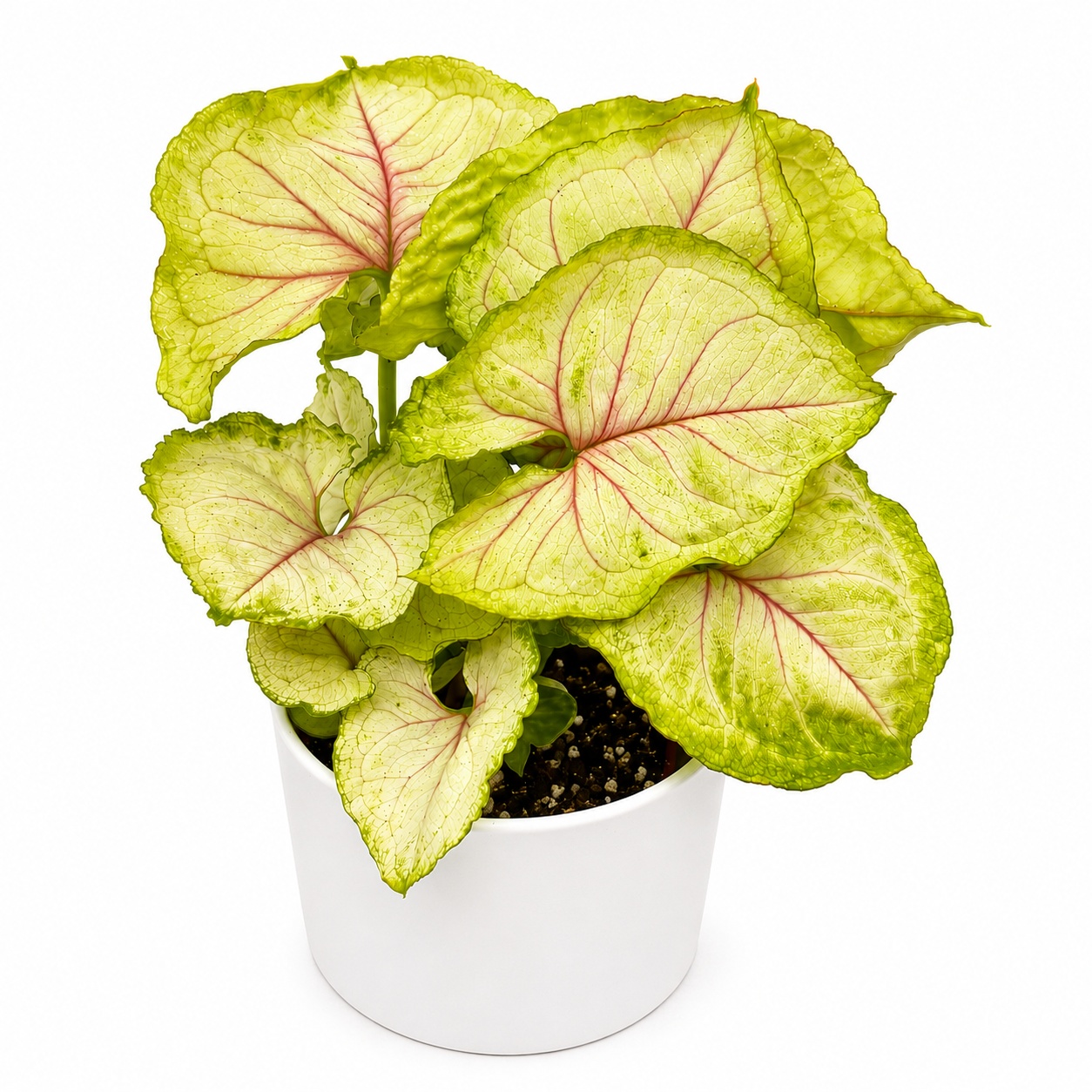
Syngonium Podophyllum 'Kiwi'
Understanding Light Levels in Your Home
Low light doesn't mean no light at all. A room with minimal light is typically one where you can read comfortably during the day without turning on a lamp, but the space feels dim compared to a sunny window. Think of bathrooms with small windows, hallways, or corners that are 8-10 feet away from any window.
Here's what different light levels actually look like in real rooms:
| Light Level | Distance from Window | Common Room Examples | Can You Read Easily? |
|---|---|---|---|
| Bright Light | 0-3 feet | South-facing windowsills | Yes, very clearly |
| Medium Light | 3-6 feet | Living rooms, bedrooms | Yes, comfortably |
| Low Light | 6-10 feet | Offices, bathrooms, hallways | Yes, but it's dimmer |
| Very Low Light | 10+ feet | Interior rooms, basements | Need a lamp |
Plants marketed as indoor plants minimal light varieties can handle that 6-10 foot range pretty well. Our Low Light Combination Planter with Cordyline, Dracaena, and Tradescantia was specifically designed for these exact conditions.
How Forest Plants Adapted to Darkness
Tropical rainforests have multiple layers, and only the tallest trees get direct sunlight. Plants growing underneath had to get creative to survive with whatever light filtered through the canopy above them. Over millions of years, these species developed larger leaves to capture more light and slower growth patterns to conserve energy.
These adaptations make them ideal houseplants because they're already programmed to handle dim conditions. Some key features of these plants include:
- Larger, thinner leaves that maximize light absorption
- Darker green coloring with more chlorophyll
- Slower growth rates that require less energy
- Ability to enter a rest state when light is extremely limited
Busting the Complete Darkness Myth
No plant can survive in total darkness forever. Even the lowest light indoor plants need some light to perform photosynthesis, which is how they make food. A completely windowless room with only artificial light from occasional use won't work long-term.
Here's what plants actually need at minimum:
- At least 50-100 foot-candles of light (about what you get 10 feet from a window)
- Some form of light source for at least 6-8 hours per day
- Consistent lighting patterns rather than random exposure
The good news is that fluorescent office lights or even LED bulbs can supplement natural light. Many people successfully grow Syngonium varieties like our Syngonium Podophyllum 'Kiw' in offices that rely mostly on artificial lighting during work hours.
Best Low Light Plants for Beginners
Most people think you need a sun-drenched room to keep plants alive, but that's not true. Some of the easiest houseplants actually prefer dim corners and north-facing windows. If you live in an apartment with limited natural light or work in a windowless office, you can still enjoy greenery without watching your plants slowly die. The trick is choosing varieties that evolved under forest canopies where sunlight barely reaches the ground.
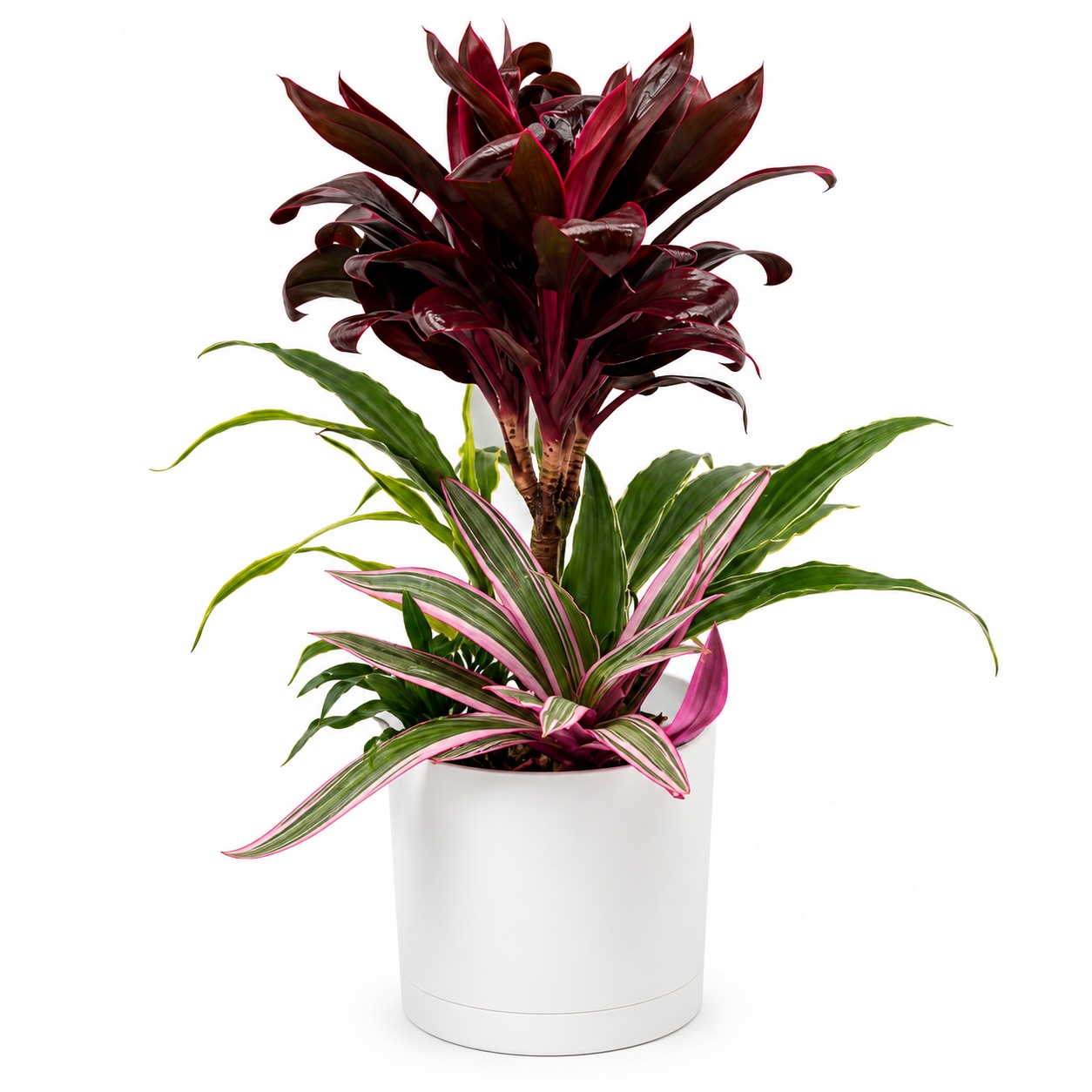
Low Light Combination Planter - Cordyline, Dracaena & Tradescantia
Syngonium varieties are among the best indoor plants minimal light conditions can support. The Syngonium Podophyllum 'Kiwi' features soft, marbled leaves in creamy green, mint, and pale yellow that brighten dark spaces naturally. At $28.80, this arrowhead plant adapts to almost any environment and stays compact when young before developing a graceful trailing habit as it matures.
- Tolerates low to medium light without losing variegation
- Grows well in corners away from windows
- Requires minimal maintenance once established
- Perfect for hanging baskets or climbing up a moss pole
For smaller spaces, the Syngonium Mickey offers the same easy care in a more compact form. Priced at $32.22, this variety features unique leaf shapes that add visual interest without taking up much room. Both Syngonium plants thrive in the lowest light indoor plants can handle because their natural habitat is the shaded forest floor.
If you want instant results without the guesswork, the Low Light Combination Planter brings together Cordyline, Dracaena, and Tradescantia in one arrangement for $43.78. This curated mix combines upright structure with trailing texture, creating a full display that looks professionally designed from day one.
| Plant | Care Level | Mature Size | Price |
|---|---|---|---|
| Syngonium 'Kiwi' | Easy | Trailing/Climbing | $28.80 |
| Syngonium Mickey | Beginner | Compact | $32.22 |
| Combination Planter | Easy | Medium | $43.78 |
These plants work better in dim conditions than most houseplants because they've adapted to conserve energy. Their leaves contain more chlorophyll per square inch, which means they can photosynthesize efficiently even when light is scarce. You'll find more options in our low light indoor plants collection if you want to expand your dim-corner garden.
How to Care for Minimal Light Plants
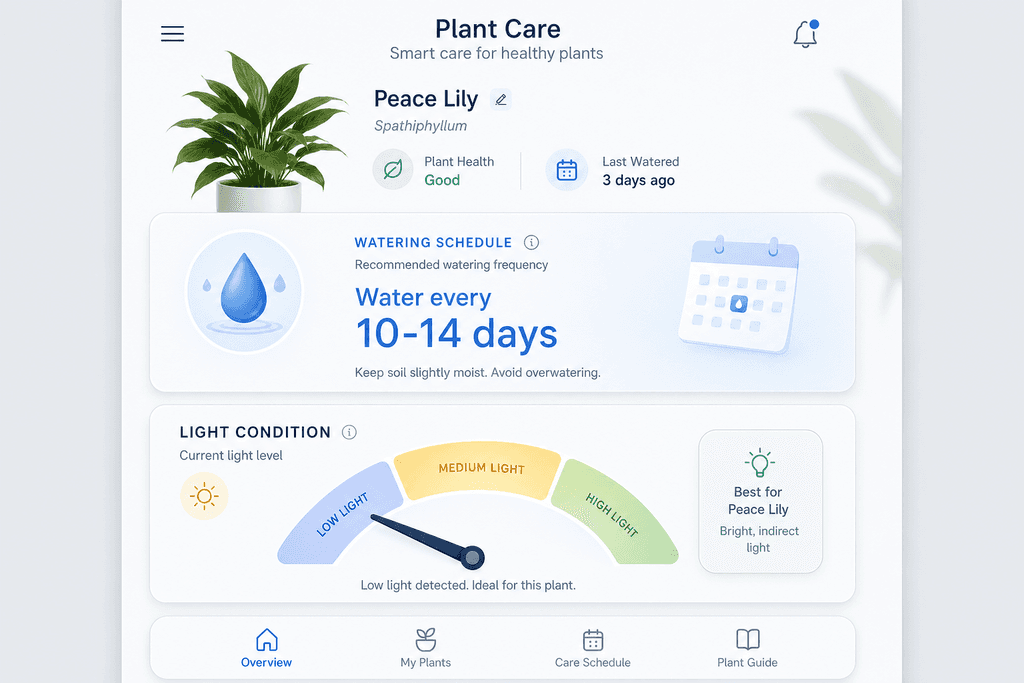
Plants in low light grow slower and use less water than their sun-loving cousins. This is the most common mistake new plant owners make. They water on the same schedule regardless of light conditions, which leads to root rot and yellowing leaves. In minimal light, your plants might need water only once every 10-14 days instead of weekly. The soil should dry out almost completely between waterings because the plant isn't actively growing and can't absorb moisture quickly.
Check the soil with your finger before watering. Stick it down about two inches into the pot. If it feels damp or cool, wait a few more days. Well-draining soil matters even more in low light because wet roots sitting in darkness are a recipe for fungal problems.
- Use a pot with drainage holes
- Mix perlite or orchid bark into standard potting soil
- Water thoroughly but infrequently
- Empty saucers after 30 minutes to prevent standing water
Fertilizing needs to match your plant's growth rate. In bright light, plants might need feeding every month during growing season. In minimal light conditions, fertilize only every 8-12 weeks at half strength. Too much fertilizer when growth is slow causes salt buildup in the soil, which burns roots and creates brown leaf tips.
Dust blocks light absorption, which is already limited in dim spaces. Wipe leaves gently with a damp cloth once a month to remove the film that builds up from indoor air. This simple step can improve photosynthesis by up to 30 percent. Some people use leaf shine products, but plain water works just as well without leaving residue.
- Yellow leaves with brown spots: overwatering in low light
- Leggy growth reaching toward windows: needs slightly more light
- Leaves staying green but growing slowly: normal for low light
- Sudden leaf drop: temperature shock or drafts
Rotate your plants a quarter turn every week so all sides get equal light exposure. Without rotation, one side stretches toward the light source while the other stays compact, creating a lopsided appearance. This matters less in very low light where growth is minimal, but it helps maintain symmetry as your plant matures.
Perfect Spots for Low Light Plants in Your Home
North-facing windows provide the most consistent low light throughout the day without direct sun exposure. These spots are ideal for Syngoniums and combination planters that prefer gentle, indirect brightness. You can also place plants 5-8 feet away from east or west-facing windows where they'll receive ambient light without harsh rays. Corners that feel dim to your eyes are often perfect for indoor plants minimal light varieties. If you can comfortably read a book in that spot during the day, your plant will probably survive there.
Bathrooms work surprisingly well for low light plants because the humidity from showers mimics their natural tropical environment. Place them on counters, shelves, or even on top of the toilet tank if you have space. Hallways and entryways are often overlooked plant locations that can benefit from greenery, especially if they have a small window or skylight.
| Location | Light Level | Best For |
|---|---|---|
| North window | Low, consistent | All varieties |
| Bathroom | Low, humid | Tropical plants |
| Office desk | Artificial light | Compact plants |
| Hallway | Very low | Hardy varieties |
Home offices often have the worst natural light, especially if you're working in a converted bedroom or basement. Fluorescent or LED desk lamps can supplement natural light for plants on your workspace. The Syngonium Mickey fits perfectly on desks without taking up valuable work surface. For more ideas on setting up your workspace with plants, check out our guide on good indoor plants for beginners.
Avoid placing low light plants directly next to heating vents or air conditioning units. The constant air flow dries out leaves faster than the plant can replace moisture in dim conditions. Also skip spots that get cold drafts from doors or windows in winter. Temperature fluctuations stress plants more than consistent low light.
- Bookshelves create natural tiers for trailing plants
- Plant stands elevate greenery in dark corners
- Wall-mounted shelves near ceilings catch ambient light
- Room dividers with plants add privacy and greenery
Small apartments benefit most from vertical arrangements that don't eat up floor space. The combination planter works well on kitchen counters or dining tables where it becomes a living centerpiece. You can learn more about proper placement in our article on understanding lighting in your home and how it affects your plants. The key is experimenting with different spots and watching how your plant responds over a few weeks.
Bringing Life to Every Corner
Minimal light doesn't mean you have to give up on having plants in your home. The lowest light indoor plants can survive and even thrive in spaces that get very little natural sunlight. Whether you're working with a basement office, a north-facing bathroom, or a corner that never sees direct sun, there are real options that work.
Starting with low-light plants is actually easier than jumping into high-maintenance varieties. Plants like the Syngonium podophyllum 'Kiwi' or our Low Light Combination Planter are built to handle neglect better than most. They don't need constant attention or perfect conditions to stay alive.
If you're new to keeping plants indoors, picking one of these varieties gives you room to learn without killing something expensive. The easy-care options we carry at Runo Plants are specifically chosen because they forgive mistakes like inconsistent watering or forgetting to dust the leaves for a month.
You don't need a green thumb to keep indoor plants minimal light happy in your apartment or office. Most people overthink plant care when the reality is much simpler than they expect. Start with one plant, put it somewhere with low light, water it when the soil feels dry, and see what happens over the next few weeks.
Common Questions About Low Light Plants
Growing indoor plants minimal light can feel confusing at first, especially when you're not sure what's normal and what's a problem. Most people worry about the same things when they start keeping plants in darker spaces. Here are the answers to questions that come up most often when caring for the lowest light indoor plants.
Can plants really survive with no windows?
Plants can survive in rooms without windows, but they still need some kind of light source to stay alive. A completely dark room won't work, but spaces with artificial lighting from lamps or overhead fixtures can support certain hardy plants. The key is choosing varieties that naturally grow on forest floors where sunlight barely reaches.
How often should I water low light plants?
Low light plants need less water than their sun-loving cousins because they're not photosynthesizing as much. Most do well with watering every 10-14 days, but always check the soil first. Stick your finger about two inches down, and if it feels dry, it's time to water. Plants like the Syngonium Podophyllum 'Kiwi' prefer their soil to dry out a bit between waterings, which makes them pretty forgiving if you forget occasionally.
Will my low light plant ever grow?
Yes, but slower than plants in bright light. Low light plants do grow, just at a more relaxed pace since they have less energy from photosynthesis. You might see new leaves every few weeks or months instead of weekly. This slower growth actually makes them easier to manage since you won't need to repot or prune as often.
Can I use grow lights instead of natural light?
Grow lights work great as a substitute for natural light, especially in windowless offices or basement rooms. Even a basic LED grow bulb in a desk lamp can make a big difference. You don't need expensive equipment either, just something that provides consistent light for 8-12 hours a day.
What are signs my plant needs more light?
Plants will tell you when they're struggling with light levels. Watch for leaves turning pale or yellow, stems getting long and leggy as they stretch toward light sources, or new growth coming in smaller than old leaves. If your plant starts leaning heavily to one side, it's reaching for more light. Our Low Light Combination Planter includes varieties that show these signs less often since they're already adapted to minimal conditions.
Are low light plants safe for pets?
Some low light plants are pet-safe, but many common ones aren't. Syngonium varieties can cause irritation if chewed by cats or dogs, so they're best kept out of reach. Tradescantia is also mildly toxic to pets. If you have curious animals, research each specific plant before bringing it home, or place plants on high shelves where pets can't access them.