

How to Repot a Houseplant Without Stressing It
Sep 01, 2026
Your fiddle leaf fig looked perfect last month, but now its roots are sneaking out the drainage holes and the soil dries out in a day. Most houseplants don't die from forgetting to water them—they struggle because we repot them at the wrong time or use techniques that shock their root systems. Learning how to repot a houseplant the right way means understanding what your plant needs and having the right supplies ready, like Root Drops for propagations and repotting, which helps reduce transplant shock and gets roots established faster in their new home.
How do I know when my houseplant needs repotting?
A houseplant needs repotting when roots are circling the pot's bottom or growing through drainage holes, when water runs straight through without absorbing, or when the plant has outgrown its container and becomes top-heavy. Most houseplants require repotting every 12 to 18 months, though slow-growing varieties can go 2 to 3 years between repots.
What supplies do I need to repot a houseplant?
Essential repotting supplies include a new pot 1 to 2 inches larger in diameter than the current one with drainage holes, fresh potting soil appropriate for the plant species, a trowel or scoop, newspaper or a drop cloth, and water for post-repotting care. Optional items include pruning shears for trimming damaged roots and gloves for handling soil.
How long does it take a plant to recover from repotting?
Most houseplants recover from repotting stress within 2 to 4 weeks when given proper care, including consistent watering, indirect light, and avoiding fertilizer during the recovery period. Signs of recovery include new leaf growth, firm stems, and roots establishing in the fresh soil.
Table of Contents
Why Repotting Stresses Plants Out
When you pull a plant out of its pot, you're basically asking it to survive a mini earthquake. The roots that have been happily growing in one direction suddenly get exposed to air, light, and completely different conditions. Your plant doesn't know you're trying to help it, so its natural response is to freak out a little and go into survival mode.
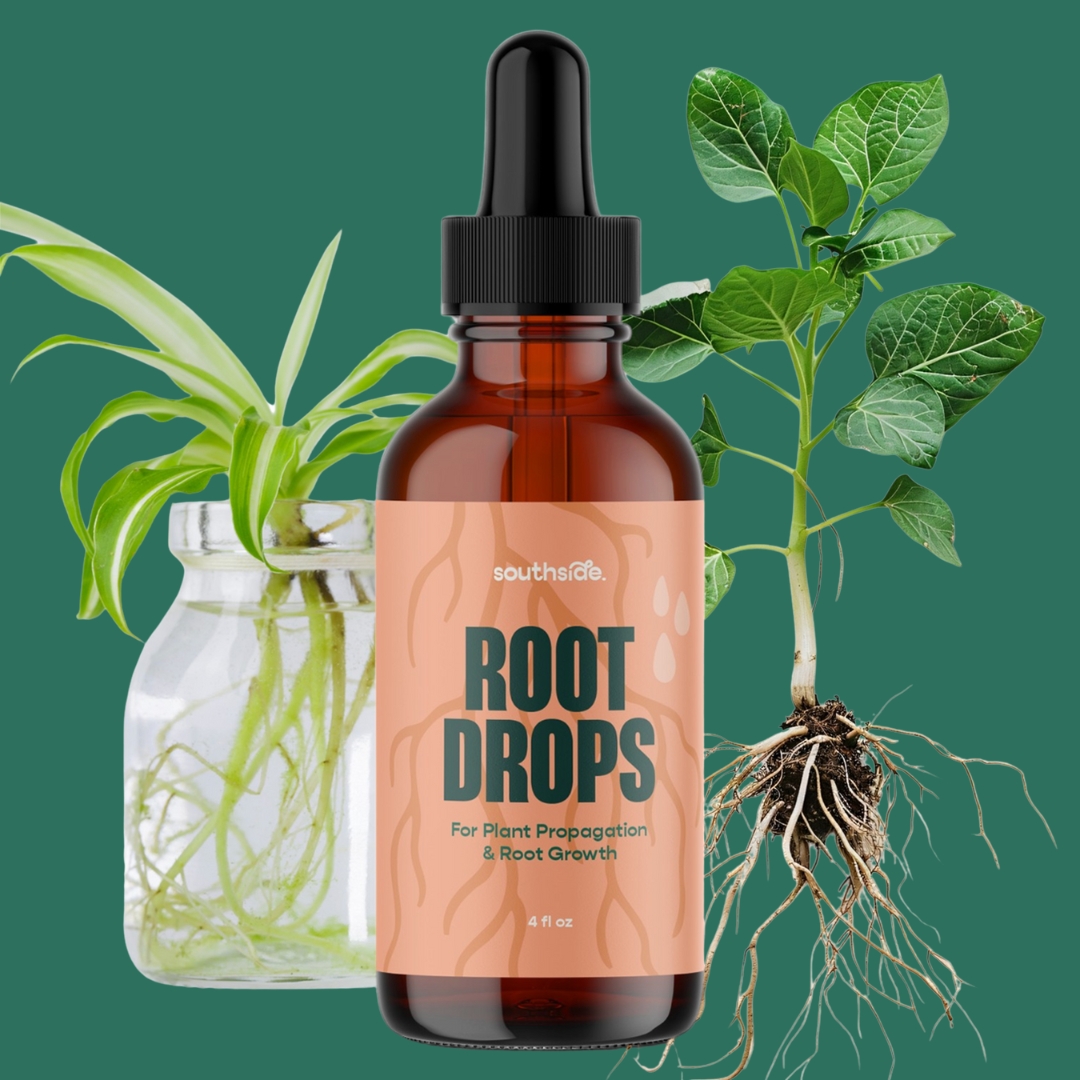
Root Drops - For Propagations & Repotting
What Happens During Root Disturbance
Think of your plant's roots like tiny straws that drink water and nutrients all day long. When you disturb these roots during repotting, some of them break or get damaged. The plant immediately shifts its energy from growing new leaves to repairing its root system, which is why you might see your plant look sad for a few weeks after repotting.
Here's what's going on underground when you learn how to repot a houseplant:
- Root hairs (the tiny parts that actually absorb water) get damaged or fall off
- The plant can't drink as much water until new root hairs grow back
- Beneficial bacteria and fungi on the roots need time to reestablish
- The root system has to figure out which direction to grow in the new pot
Adjusting to New Environments
Moving to a new pot with fresh soil is like moving to a new house in a different climate. The soil texture feels different, the moisture levels aren't the same, and there's suddenly way more space to explore. Some plants handle this change like champs, while others need extra support like our Root Drops formula that helps speed up the adjustment period.
Different factors affect how well your plant adapts:
- Soil composition and how it holds water compared to the old mix
- Pot size and whether roots have room to spread out
- Temperature and humidity levels during the recovery period
Common Stress Signs You Might See
Plants can't tell you they're stressed with words, but they definitely show you through their leaves and growth patterns. Knowing what to look for helps you catch problems early and adjust your care routine.
| Stress Sign | What It Means | How Long It Lasts |
|---|---|---|
| Drooping leaves | Roots can't absorb water yet | 3-7 days |
| Yellow leaves | Shock response or overwatering | 1-2 weeks |
| Leaf drop | Conserving energy for roots | 2-3 weeks |
| Slow growth | Focusing on root repair | 3-6 weeks |
| Brown leaf edges | Moisture stress or fertilizer burn | 1-2 weeks |
The good news is that most plants bounce back from repotting stress within a month. Understanding these stress responses helps you stay calm and avoid overreacting with too much water or fertilizer, which usually makes things worse.
Stress Tolerance Varies by Plant Type
Not all houseplants react to repotting the same way. Some plants are basically drama queens that sulk for weeks, while others barely notice they've been moved. Knowing your plant's personality helps you set realistic expectations for how to repot a houseplant successfully.
Plants with high stress tolerance include:
- Pothos and philodendrons (they're nearly indestructible)
- Snake plants and ZZ plants (slow growers that don't mind change)
- Spider plants (they actually like being a bit rootbound first)
Plants that need extra care during repotting:
- Fiddle leaf figs (sensitive to any root disturbance)
- Calatheas and prayer plants (prefer stable conditions)
- Begonias (benefit from specialized soil mixes like our Begonia Premium Potting Mix)
- Syngoniums (do better with proper substrate formulated for their needs)
The key is matching your repotting technique to your plant's stress tolerance level. Gentle handling and the right soil mix make all the difference between a plant that recovers in days versus one that struggles for months.
Know When Your Plant Actually Needs Repotting
Most houseplants send pretty clear signals when they're ready for a bigger home, but a lot of people miss them. The trick is knowing what to look for before your plant gets too stressed. Repotting at the right time makes the whole process easier on both you and your plant. Wait too long and you'll have a root-bound mess that's harder to untangle. Jump the gun too early and you might actually slow down your plant's growth.
Roots growing out of drainage holes are the most obvious sign that your plant has run out of space. When you see this happening, your plant is basically waving a white flag asking for help.
- Water running straight through the pot without absorbing means roots have taken up all the soil space
- Slow growth or yellowing leaves can indicate your plant is root-bound and struggling
- Soil drying out way faster than it used to is another red flag
- The pot looks like it's bulging or cracking from root pressure
Most houseplants need repotting every 12-18 months, though fast growers might need it sooner. Spring is the best time because plants are actively growing and can recover faster from the stress of being moved.
- Roots visible through drainage holes
- Water runs straight through without absorbing
- Plant growth has slowed or stopped
- Soil dries out within a day or two of watering
- It's been more than 18 months since last repotting
Gather Your Supplies Before You Start
Nothing's worse than getting halfway through repotting and realizing you're missing something important. Having everything ready before you start means you can work quickly and get your plant settled into its new home without unnecessary delays. The less time your plant spends with exposed roots, the better. Plus, you won't be running around with dirt on your hands trying to find scissors or more soil.
Choose a pot only 1-2 inches larger than the current one. Going too big actually stresses plants out because all that extra soil holds moisture the roots can't reach, which can lead to rot.
- Drainage holes are non-negotiable for healthy roots
- Clean scissors or pruning shears for trimming dead roots
- Newspaper or a tarp to protect your workspace
- Fresh potting mix formulated for your specific plant type
- A watering can or spray bottle
The right potting mix matters more than most people think. Generic soil from the hardware store might work okay, but premium mixes formulated for specific plants give your houseplants exactly what they need. Our BEGONIA Premium Potting Mix is hand-mixed at our nursery in Eugene, OR and works great for all Begonia varieties. For arrowhead plants, the SYNGONIUM Premium Potting Mix has the perfect balance of drainage and moisture retention.
One thing that really helps plants bounce back faster is using Root Drops during and after repotting. This liquid formula supports root health and reduces transplant shock, which means your plant recovers in days instead of weeks.
- New pot (1-2 inches larger with drainage holes)
- Premium potting mix for your plant type
- Root Drops for recovery support
- Clean scissors or pruning shears
- Newspaper or tarp for cleanup
- Watering can
The Step by Step Repotting Process
The actual repotting process is pretty straightforward once you know the steps. The key is being gentle with the roots while still being thorough enough to give your plant a fresh start. Rushing through this part is where most people cause unnecessary damage. Take your time and your plant will thank you with healthy new growth in a few weeks.
Water your plant 24 hours before repotting to reduce shock. Moist soil holds together better and protects the roots during the transition.
- Gently remove the plant by tipping the pot and squeezing the sides
- Loosen the root ball carefully with your fingers without tearing healthy roots
- Trim any dead, mushy, or circling roots with clean scissors
- Add 2-3 inches of fresh soil to the bottom of the new pot
- Position the plant at the same depth it was growing before
- Fill around the sides with potting mix and gently firm it down
- Water thoroughly with Root Drops mixed in according to package directions
- Place in indirect light for about a week while it adjusts
The Root Drops step is where you give your plant the best chance at a quick recovery. Mix it into the water you use right after repotting to encourage fast and healthy root growth in the new soil. This is especially helpful if you had to trim away damaged roots.
Don't pack the soil down too hard when filling in around the roots. You want it firm enough to support the plant but loose enough that air and water can move through easily. If you're working with plants that like more aeration, check out our guide on how to repot houseplants for more specific techniques.
Help Your Plant Bounce Back Fast
What you do in the weeks after repotting matters just as much as the repotting itself. This is when your plant is working hard to establish new roots in the fresh soil. Give it the right conditions and you'll see new growth within a few weeks. Mess up the aftercare and your plant might sulk for months or even decline.
Don't fertilize for at least 4-6 weeks after repotting. Fresh potting mix already has nutrients, and fertilizing too soon can burn tender new roots.
| Timeline | What to Do | What to Expect |
|---|---|---|
| Week 1 | Keep in indirect light | Some drooping is normal |
| Weeks 2-3 | Maintain consistent moisture | Plant perks up |
| Week 4+ | Resume normal care | New growth appears |
Keep soil consistently moist but not soggy for the first two weeks. Your plant needs that moisture to help damaged roots heal and new roots grow. After that, you can return to your normal watering schedule based on what your specific plant needs. If you're not sure about watering frequency, our guide on how often to water houseplants breaks it down by plant type.
Avoid moving the plant around during recovery. Pick a good spot with appropriate light and leave it there. Every time you move a plant, it has to adjust to new conditions, which adds stress when it's already working hard to recover.
- Watch for new growth as a sign your plant has adjusted successfully
- Some leaf drop is normal but shouldn't be excessive
- Continue using Root Drops in your watering routine for the first month
- Resume fertilizing after 4-6 weeks with a diluted solution
The Root Drops really make a difference during this recovery period. They support healthy root development while your plant is establishing itself in the new pot, which means less stress and faster growth overall.
You've Got This
Learning how to repot a houseplant is one of those skills that feels scary the first time but gets easier every time you do it. Most plant parents worry they'll hurt their plants, but the truth is that repotting is just part of normal plant care. Your plants actually need it to keep growing strong. The more you practice, the faster you'll get at spotting when a plant needs a bigger home and handling those roots without second-guessing yourself.
Having the right supplies on hand makes the whole process way less stressful. A good potting mix designed for your specific plant type helps roots settle in faster. Our BEGONIA Premium Potting Mix and SYNGONIUM Premium Potting Mix are hand-mixed at our nursery in Eugene, OR with exactly what these plants need. Using Root Drops after repotting helps cut down on shock and gets those roots growing again quickly.
Within a few weeks of repotting, you'll start seeing the payoff. New leaves will pop up, stems will get stronger, and your plant will look healthier overall. If you want to learn more about keeping your plants happy after repotting, check out our guides on watering and fertilizing.
You probably still have some questions about the details, and that's totally normal. Let's tackle the most common ones.
Common Repotting Questions Answered
Repotting can feel overwhelming when you're just starting out with houseplants. You might worry about doing something wrong or accidentally hurting your plant. The good news is that most repotting concerns have simple answers, and once you understand the basics, the process becomes much easier. These are the questions we hear most often from plant parents learning how to repot a houseplant for the first time.
How often should I repot my houseplants?
Most houseplants need repotting every 12 to 18 months, but it really depends on how fast they grow. Fast growers like pothos or syngoniums might need fresh soil annually, while slow growers like snake plants can go two or three years between repots. The best way to know is to check if roots are coming out of the drainage holes or if the plant seems to dry out way faster than it used to.
Can I use regular garden soil for houseplants?
Garden soil is too heavy for container plants and will suffocate the roots over time. Houseplants need a lighter mix that drains well but still holds some moisture. Different plants have different needs too, which is why specialized mixes work better than one-size-fits-all solutions. Our Premium Potting Mixes for Begonia and Syngonium are formulated specifically for those plant types, giving them exactly what they need to thrive after repotting.
What if my plant looks worse after repotting?
A little drooping or sad-looking leaves after repotting is totally normal and called transplant shock. Your plant just needs time to adjust to its new home, usually about one to two weeks. Keep the soil lightly moist, avoid direct sunlight for a few days, and resist the urge to fertilize right away. Using Root Drops when you repot can help reduce this shock and get your plant settled faster.
Do I need to water immediately after repotting?
Yes, watering right after repotting helps settle the soil around the roots and eliminates air pockets. Give it a thorough drink until water runs out the drainage holes, then let it drain completely. After that initial watering, wait until the top inch or two of soil dries out before watering again.
Can I repot a plant that's flowering?
It's better to wait until after the blooms fade if you can. Flowering takes a lot of energy, and repotting adds extra stress that might cause the plant to drop its flowers early. If you absolutely must repot a flowering plant because it's severely rootbound, just be extra gentle and expect it might lose some blooms.
What size pot should I choose?
Go up only one or two inches in diameter from the current pot. A pot that's too big holds too much moisture and can lead to root rot since the roots can't absorb water fast enough. Most plants actually like being slightly snug in their pots, so bigger isn't always better when learning how to repot a houseplant properly.