

Fast-Growing Houseplants That Fill Out Indoor Spaces Quickly
Oct 31, 2026
Fast growing houseplants like Pothos and Monstera can push out 12 inches or more of new vine in a single month indoors, given decent light and regular water. That kind of growth means a bare shelf, a blank wall, or an empty corner in your Homestead apartment can look full within a season instead of a few years. For renters and first-time plant owners who want results without waiting around, speed matters as much as looks.
The plants below are specific picks, not general advice about light and water. Each one is known for quick, visible growth indoors, and each works for small spaces, home offices, and pet-conscious households alike.
Table of Contents
Why Some Houseplants Grow So Much Faster Than Others
Leaf size, root type, and native jungle habits decide how fast a houseplant grows indoors. Vining plants like Pothos evolved to climb toward gaps in a rainforest canopy, so they push out new leaves fast whenever light is available. Upright plants like Monstera grow slower per month but put energy into thicker stems and bigger leaves instead of length.
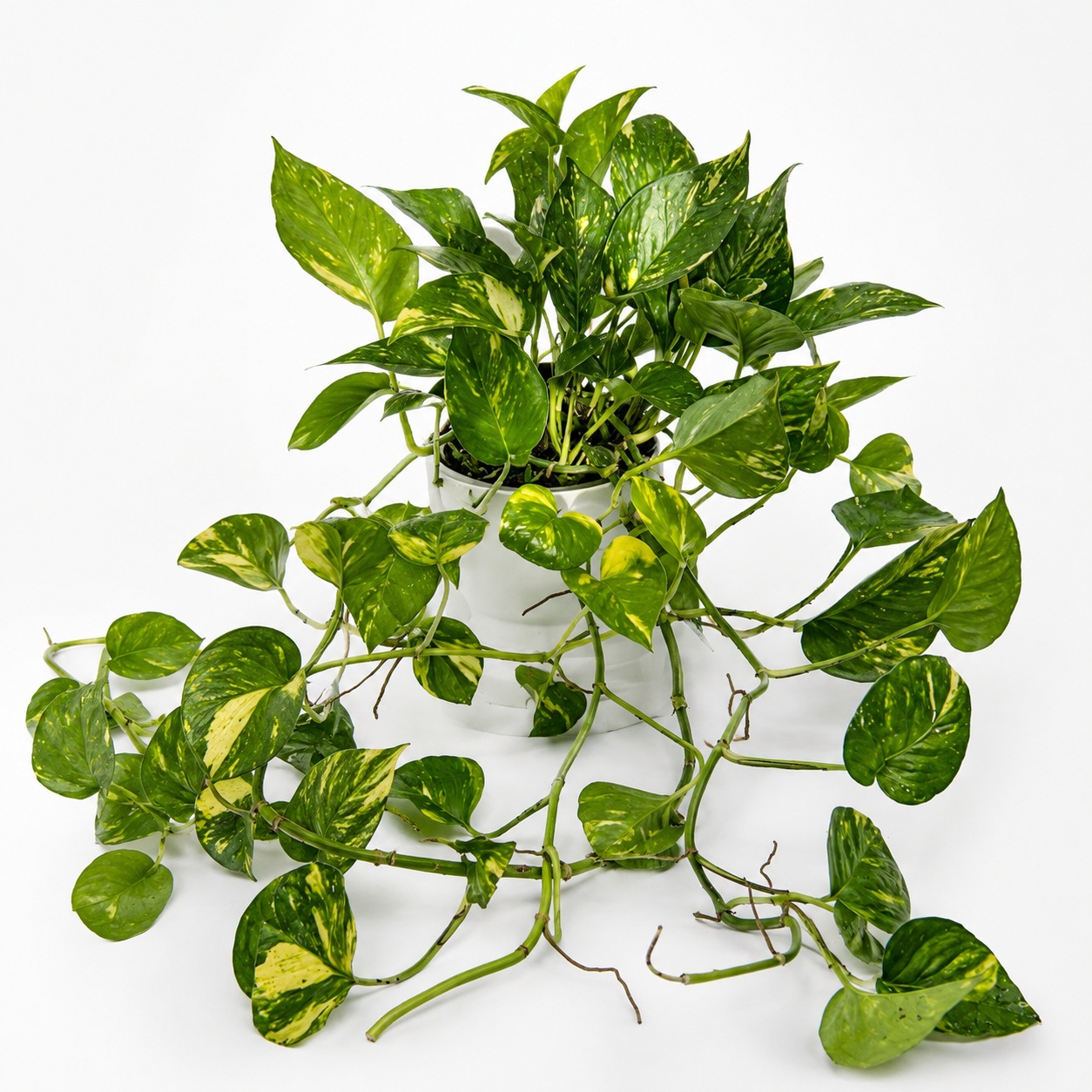
Golden Pothos
Bright indirect light speeds up growth more than any other single factor you control. A Pothos in a dim corner might add a few inches a month, while the same plant near an east or west window can double that. Water and fertilizer matter, but without enough light, a plant simply cannot use either one to grow faster.
| Plant type | Light need | Typical new growth per month |
|---|---|---|
| Vining (Pothos) | Bright indirect | 6 to 12 inches |
| Upright (Monstera) | Bright indirect | 1 new leaf |
| Vining in low light | Low to medium | 1 to 3 inches |
Fast growers also run out of room and nutrients sooner than slow growers, so they need repotting and feeding on a tighter schedule. A Monstera that outgrows its pot in under a year is common, not a sign something went wrong, and the same goes for a Pothos whose roots fill the pot within months. Readers who want the exact steps for moving a plant up a pot size can follow the guide on how to repot houseplants.
Vining Plants That Climb or Trail Fast
Vining houseplants are the quickest way to fill a shelf, a hanging basket, or a bare trellis, and three stand out for speed. The Golden Pothos grows new trailing vines quickly in almost any light, and at $21.68 it's an easy first plant for a Homestead apartment windowsill.
Heartleaf Philodendron pushes out new leaves at a similar pace but tolerates lower light than Pothos, so it works in a hallway or a desk without a window. Philodendron Brasil adds bright lime-and-green trails and can fill an entire shelf within a season once it gets going.
All three share one trick that makes them cheap to multiply: cuttings root in a jar of plain water within two to three weeks, no soil or rooting hormone needed. Once roots show, pot the cutting and it grows as a full plant, not a weak clone.
- Golden Pothos: handles low to bright light, $21.68
- Heartleaf Philodendron: best for dim rooms, similar growth rate to Pothos
- Philodendron Brasil: needs brighter light for its yellow-green color to hold
- All three: root in water, then move to soil once roots reach an inch long
Tall Floor Plants That Add Height Quickly
Floor plants fill vertical space in a room faster than any other plant category, and three options do it without years of waiting. The Monstera Deliciosa pushes out a new split leaf every few weeks and sells for $39.59, a solid pick for a first floor plant.
The Large Monstera Deliciosa skips the early growing years entirely by starting already tall, which costs more at $84.25 but gets you a full-looking corner plant the day it arrives. Dracaena grows steadily upward and fills vertical space without spreading wide leaves, so it fits tight apartment layouts.
These three work well in home office corners or an empty living room spot where you want presence without bulk. A Large Monstera can save a full growing season compared to starting small and waiting for it to reach the same height.
- Monstera Deliciosa: $39.59, new leaf every few weeks
- Large Monstera Deliciosa: $84.25, already tall at purchase
- Dracaena: slow spread, steady height gain, good for narrow corners
- Browse more upright options in the tall plants collection
Low-Fuss Fast Growers for Busy Households
Busy households and pet owners need plants that forgive a missed watering, and three fast growers do exactly that. The Spider Plant sends out baby plantlets fast and is non-toxic to cats and dogs, making it a safe pick for homes with curious pets.
Peace Lily grows new leaves quickly and tells you when it's thirsty by drooping, so there's no guesswork involved in its care. Certain Snake Plant varieties push up new upright leaves steadily with very little attention, which suits anyone who travels or works long hours.
All three tolerate missed waterings better than the vining types covered earlier, since their thicker leaves and roots store water longer. Spider Plant and Snake Plant can go a week or more past a missed watering without real damage, which Pothos and Philodendron can't always handle.
- Spider Plant: pet-safe, grows plantlets fast, tolerates neglect
- Peace Lily: droops visibly when it needs water
- Snake Plant: steady upright growth, minimal care
- Check the easy-care beginner collection for more low-maintenance picks
Matching the Right Fast Grower to Your Room
Choosing the right fast grower starts with light, not looks. Pothos and Philodendron handle dim rooms and low-light corners, while Monstera needs bright indirect light to keep pushing new leaves.
Before buying a Large Monstera Deliciosa, measure the space against ceiling height and nearby furniture, since a plant that starts tall can crowd a low shelf or a narrow hallway fast. Start fast growers in a pot only one size up from their nursery pot, since an oversized pot holds extra moisture and raises the risk of root rot while roots are still establishing.
Runo Plants LLC ships these plants ready to pot, which saves a step for Homestead apartment dwellers short on time between work and everything else. Match the plant to the room first, then worry about pots and decor.
- Dim room, no direct sun: Pothos or Heartleaf Philodendron
- Bright indirect light, floor space open: Monstera Deliciosa or Dracaena
- Already have a tall plant in mind: check ceiling height before ordering a Large Monstera
- Repotting on arrival: size up by one pot size only
Fast Growth Or Low Fuss, Pick Your Trade
Fast growers earn their speed by asking for more from you, not less. During spring and summer, Pothos and Monstera need feeding every two to four weeks to keep pushing new growth, while slow growers can go a season or more without fertilizer. Skip feeding on a fast grower and the new leaves get smaller and farther apart within a month or two.
Speed also means roots fill a pot faster, so repotting comes up more often than most new plant owners expect. A fast-growing Pothos or Monstera can need a pot size up once a year, sometimes sooner, while a slow grower like Snake Plant might go two or three years between repots. If you'd rather not deal with root-bound pots on a schedule, that's the real cost of choosing speed.
Trade speed for low maintenance only if you can check your plants once a week. Fast growers show stress fast too, so a missed feeding or a root-bound pot gets visible within days, not weeks.
| Factor | Fast growers (Pothos, Monstera) | Slow growers (Snake Plant, ZZ) |
|---|---|---|
| Feeding frequency | Every 2 to 4 weeks, spring and summer | Once a season or less |
| Repotting frequency | Every 6 to 12 months | Every 2 to 3 years |
| Weekly check needed | Yes, to catch root-bound pots early | No, monthly is fine |
| Visible result | Fills space in one season | Takes a year or more |
Which Plant To Order For Your Space
Check your light first. A window with direct sun most of the day points you toward a Monstera. A dim corner or a desk away from windows points you toward a Pothos. Settle that question before you think about size or price. Once you know the light, pick the size that fits: a small Monstera if you don't mind waiting for new leaves, a large one if you want the corner filled today, or a Pothos if you just want a shelf trailing within weeks. Order from Runo Plants LLC at 19605 sw 334th street, homestead, ST 33034 rather than letting the empty spot sit another season. Questions before you order go to 7188440045 or support@runoplants.com.
Fast-Growing Houseplant Questions
Can I slow down a fast-growing plant if it gets too big for my space?
Yes, cutting back on light and fertilizer is the main way to slow a Pothos or Monstera down. Moving the plant a few feet from the window and skipping feedings during spring and summer will slow new growth without harming the plant. Trimming long vines also keeps a trailing Pothos from taking over a shelf.
Are Monstera and Pothos safe to keep around cats and dogs?
No, both Monstera and Pothos are mildly toxic to cats and dogs if chewed on, so keep them out of reach in homes with curious pets. Signs of trouble include drooling, mouth irritation, or vomiting. If you want a fast grower that's fully pet-safe, a Spider Plant covered earlier in this piece is non-toxic.
Will a fast-growing plant outgrow its pot in the first year?
Often, yes. A Pothos or Monstera that arrives in a nursery pot can fill it with roots inside six to twelve months, especially with bright light and regular feeding. Check by tipping the plant out of its pot once a season. Roots circling the bottom mean it's time to size up, not wait.
Does fast growth mean the plant needs fertilizer right after I bring it home?
No, skip fertilizer for the first four to six weeks after a new plant arrives. Roots need time to settle into their pot before they can use extra nutrients, and feeding too soon can burn tender new roots. Once the plant pushes out a new leaf or vine on its own, start a regular feeding schedule.