

Easy Indoor Plants for Beginners That Are Hard to Kill
Oct 28, 2026
Overwatering kills more indoor plants for beginners than forgetting to water them at all, which is the opposite of what most new plant owners expect. Soggy roots rot fast, and once that happens, the plant is usually done for. A dry pot, on the other hand, gives most houseplants a chance to bounce back. That one fact changes which plants actually belong on a beginner's shelf.
Some species shrug off a missed watering, a dim corner near homestead's shorter winter light, or a pot that sits untouched for two weeks during a busy stretch at the home office. Those are the plants worth building a collection around, not the finicky ones that show up on glossy plant blogs. The list that matters is short, and every plant on it has already survived the mistakes most first-time owners make.
Table of Contents
Why Some Houseplants Survive Total Neglect
Three physical traits decide whether a houseplant can take weeks of missed care. Thick leaves and underground rhizomes act like water tanks, storing moisture a plant draws on when the soil dries out. The Chlorophytum comosum, better known as the Spider Plant, keeps a reserve in its fleshy root structure and tolerates a skipped watering better than thin-leafed species.
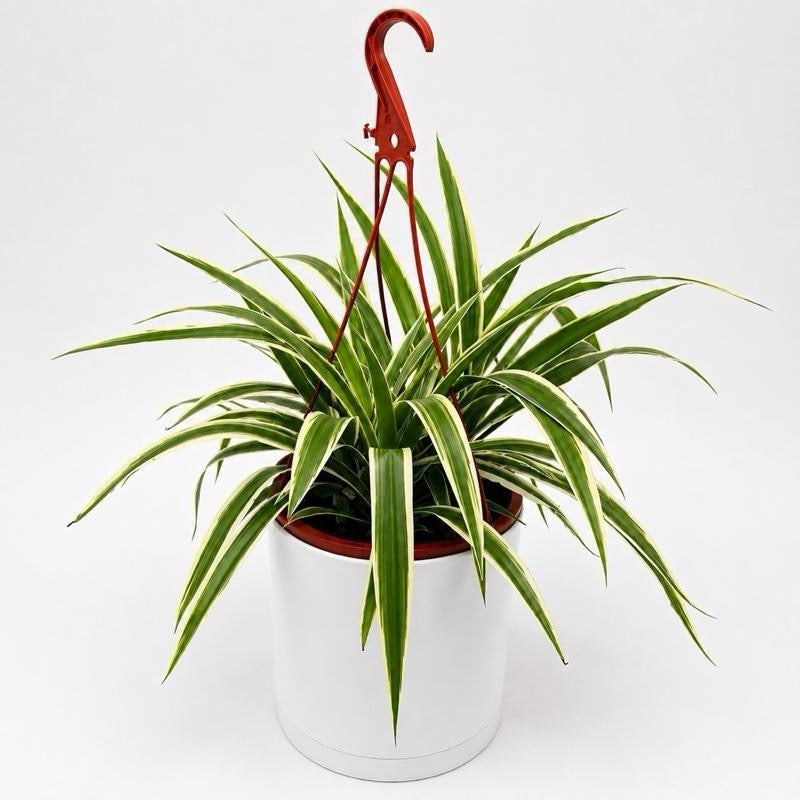
Chlorophytum Comosum (Spider Plant)
Growth speed matters just as much as water storage. A slow-growing plant uses less energy and fewer nutrients, so it needs feeding only a few times a year and repotting only every two to three years, instead of the constant attention a fast grower demands.
Where a plant evolved in the wild tells you how it handles a dim apartment corner or a dry spell. Species from drought-prone regions or shaded forest floors already adapted to inconsistent water and low light, which is why they hold up indoors better than plants bred from greenhouse conditions.
| Trait | What it does | Example |
|---|---|---|
| Thick leaves | Stores water for weeks | Succulent-type foliage |
| Rhizomes | Holds moisture underground | Spider Plant roots |
| Slow growth | Cuts feeding and repotting to a few times a year | Snake Plant |
| Drought origin | Tolerates dry stretches between waterings | Desert-native succulents |
| Forest floor origin | Tolerates low light | Pothos, Aglaonema |
These traits are the filter behind every plant in the easy-care beginner collection, so a reader can check a new plant against this table before buying it.
Spider Plant and Pothos Forgive Almost Anything
Spider Plant and Pothos are the two starter plants most likely to make it through a beginner's first year, because both shrug off missed waterings and inconsistent light. Chlorophytum comosum, the Spider Plant, grows best in bright indirect light but still does fine in a medium-light spot a few feet back from a window. Pothos handles the same range, which makes both a safe pick for Homestead apartments with only one or two windows facing a hallway or courtyard.
Water only when the top two inches of soil feel dry to the touch, not on a fixed schedule. Check the soil with a finger before you water, every single time. New owners often assume a browning leaf tip means the plant needs more water, but overwatering is the real cause of brown tips on a Spider Plant, not thirst.
- Bright indirect light for several hours a day, medium light tolerated
- Water only when the top two inches of soil are dry
- Brown tips usually mean too much water, not too little
- Safe for homes with cats and dogs
- Good fit for apartments with limited window space
Snake Plant and ZZ Plant Handle Months of Neglect
Snake Plant and ZZ Plant can go several weeks without water because both store moisture in thick leaves and underground rhizomes. Low light is not a problem for either one, and both grow fine in interior rooms with no windows at all, including the dim hallway corners common in older Homestead apartments. A home office desk that only gets lamp light still works for a ZZ Plant.
The biggest mistake with these two is watering on a fixed schedule instead of checking the soil first. Root rot from overwatering kills far more Snake Plants and ZZ Plants than dry soil ever does. Feel the soil before adding water, and skip a week if it still feels damp underneath.
- Water roughly every 3 to 4 weeks, less in winter
- Thrives in low light rooms without windows
- Check soil moisture before watering, never water on autopilot
- Root rot, not drought, is the top cause of death
- Fits dim hallways and home offices without natural light
Readers furnishing a windowless corner can browse the low light indoor plants collection for more options built the same way.
Peace Lily Tells You Exactly When It's Thirsty
Peace Lily wilts dramatically before any real damage happens, then stands back up within hours of a good watering. That visible droop works as a built-in signal, so a first-time owner never has to guess whether the plant needs a drink. Medium to low indirect light works best, and direct sun will scorch the leaves fast.
Checking the soil once a week is usually enough for most apartments, since the wilt gives a second warning if that check gets missed. Peace Lily is toxic to cats and dogs if chewed, which sets it apart from the pet-safe Spider Plant covered earlier. Households with curious pets should keep it on a high shelf or choose a safer pick from the pet-friendly plant care guide.
- Droops visibly when thirsty, recovers within hours of watering
- Medium to low indirect light, no direct sun
- Weekly soil check is enough for most apartments
- Toxic to cats and dogs if chewed
- Useful for learning what underwatering actually looks like
Comparing Care Needs Before You Choose One
The right plant depends on how much light a space gets and whether pets live there, and a side-by-side comparison makes that call faster than reading five separate care sheets. Homestead's humid climate suits all five of these plants indoors year-round, so climate rarely limits the choice, window placement and curious pets usually decide it instead.
| Plant | Light Needed | Water Frequency | Pet Safe |
|---|---|---|---|
| Spider Plant | Bright to medium indirect | When top 2 in. dry | Yes |
| Pothos | Low to bright indirect | When top 2 in. dry | No |
| Snake Plant | Low to bright indirect | Every 3-4 weeks | No |
| ZZ Plant | Low to bright indirect | Every 3-4 weeks | No |
| Peace Lily | Medium to low indirect | Weekly check | No |
Spider Plant is the only one of the five safe for homes with cats and dogs, so pet owners should weigh that before picking a trailing plant for a shelf within reach. A mixed box like the low-maintenance mystery bundle pairs Pothos, Sansevieria, and Aglaonema in one order, letting a beginner test a few care styles before settling on one plant for the long haul.
What a Plant Tag Won't Tell You
A plant tag at a nursery or a product photo online almost always says "easy care," no matter how the species actually behaves in a Homestead apartment. The real test happens when you look at the plant itself, not the sign stuck in its pot. Three checks take under a minute and tell you more than any tag.
Thick or waxy leaves mean the plant stores water, the same trait that lets a Spider Plant or Snake Plant survive a missed week. A plant with thin, papery leaves has no reserve tank and will sulk the first time you forget it. Run a finger over the leaf surface before you buy; a slight waxy coating is a good sign.
Yellow or mushy leaves at the point of sale are a warning, not a bargain. That plant has already been overwatered or stressed in transit, and bringing it home does not reset the clock. Skip it even if the price is lower than a healthy plant nearby.
Asking where a plant is native to tells you how it will handle your specific room. A species from a dry climate or a shaded forest floor has already adapted to the conditions most apartments offer, while a plant bred purely for greenhouse display has not. Staff at a nursery, or the plant description on an online listing, should answer this without hedging.
- Thick or waxy leaves signal built-in water storage
- Yellow or mushy leaves at purchase mean existing damage
- Native climate predicts how the plant handles your room
- A firm, white root system matters more than leaf count
Roots matter more than anything visible above the soil line. A plant with a few full, healthy leaves and a firm white root system will outgrow one with showier foliage sitting on soft, brown, rotting roots. If a seller will not let you check the roots or show a photo, that is a sign to buy from a source that will, such as the common houseplants collection, where each listing states the plant's light and water needs up front.
Pick One Plant Based on the Light You Actually Have
Stand in the spot where the plant will live and watch it for a day before you buy anything. Count how many hours of direct sun hit that corner, not how bright the room feels when you walk in from outside. Be honest about how often you travel or lose track of watering during a busy week at the home office, since that habit matters more than any care sheet. Pick one plant from this list that matches your real light and your real schedule, instead of trying to run all five at once. Get that one plant established first, then expand once you know how it behaves in your space. Runo Plants in Homestead ships healthy starter plants with roots you can check before they ever reach your door.
Common Beginner Plant Worries
What does an overwatered plant look like compared to an underwatered one?
An overwatered plant gets soft, yellow, or mushy leaves and the soil stays wet days after watering. An underwatered plant gets crispy, dry leaf edges and the pot feels light when you lift it. If the leaves are yellow and limp, stop watering and let the soil dry out fully before touching it again.
My plant's leaves are turning yellow after a few weeks, what should I do?
Pull back on watering first, since yellowing in the first few weeks almost always means the roots are sitting in wet soil. Let the top two to three inches dry out completely before watering again. If the pot has no drainage hole, that is likely the real problem, and moving the plant to a pot with one often fixes it within a month.
Do new indoor plants need fertilizer right away?
No, a new plant does not need fertilizer in its first few months indoors. Nursery soil already has nutrients built in, and feeding too soon can burn young roots. Wait until you see new leaf growth, usually in spring or summer, then feed lightly a few times a year.
Is it normal for a new plant to look worse before it gets better?
Yes, a short slump after bringing a plant home is normal and usually passes within two to three weeks. Moving from a greenhouse to an apartment changes light, humidity, and air flow all at once, and the plant needs time to adjust. If you want to skip that guesswork on your first try, Runo Plants LLC ships starter plants already adjusted to home conditions, with roots you can check before they leave the Homestead greenhouse.