
Root Rot in Houseplants Signs, Treatment, and Prevention
Nov 18, 2026
Root rot is what happens when soil stays wet for too long and the roots underneath can't get air, so they start to rot instead of grow. It's one of the top reasons houseplants die indoors, more common than bugs or bad light. The roots sit in water, bacteria and fungus move in, and the plant can't pull up what it needs to stay alive. If you're in Homestead and your pots sit on a shaded patio or an enclosed porch, the warm, humid air there means soil can hold moisture far longer than it would in a dry climate, so it's worth checking pots more often than you'd think.
A plant with this problem can still be saved if you catch it early. Roots that are brown and mushy are dead and won't recover, but any white, firm roots left on the plant can still support new growth once you cut away the damaged parts and get it into dry, fast-draining soil. The earlier you act, the more roots you save, and the faster the plant bounces back.
Table of Contents
What's Actually Happening Inside the Pot
Roots need oxygen from air pockets in the soil, not just water. When soil stays soaked, those pockets fill up and the roots suffocate, turning soft and brown within days. Dead tissue is an easy target for fungus, which spreads fast once it gets a foothold.
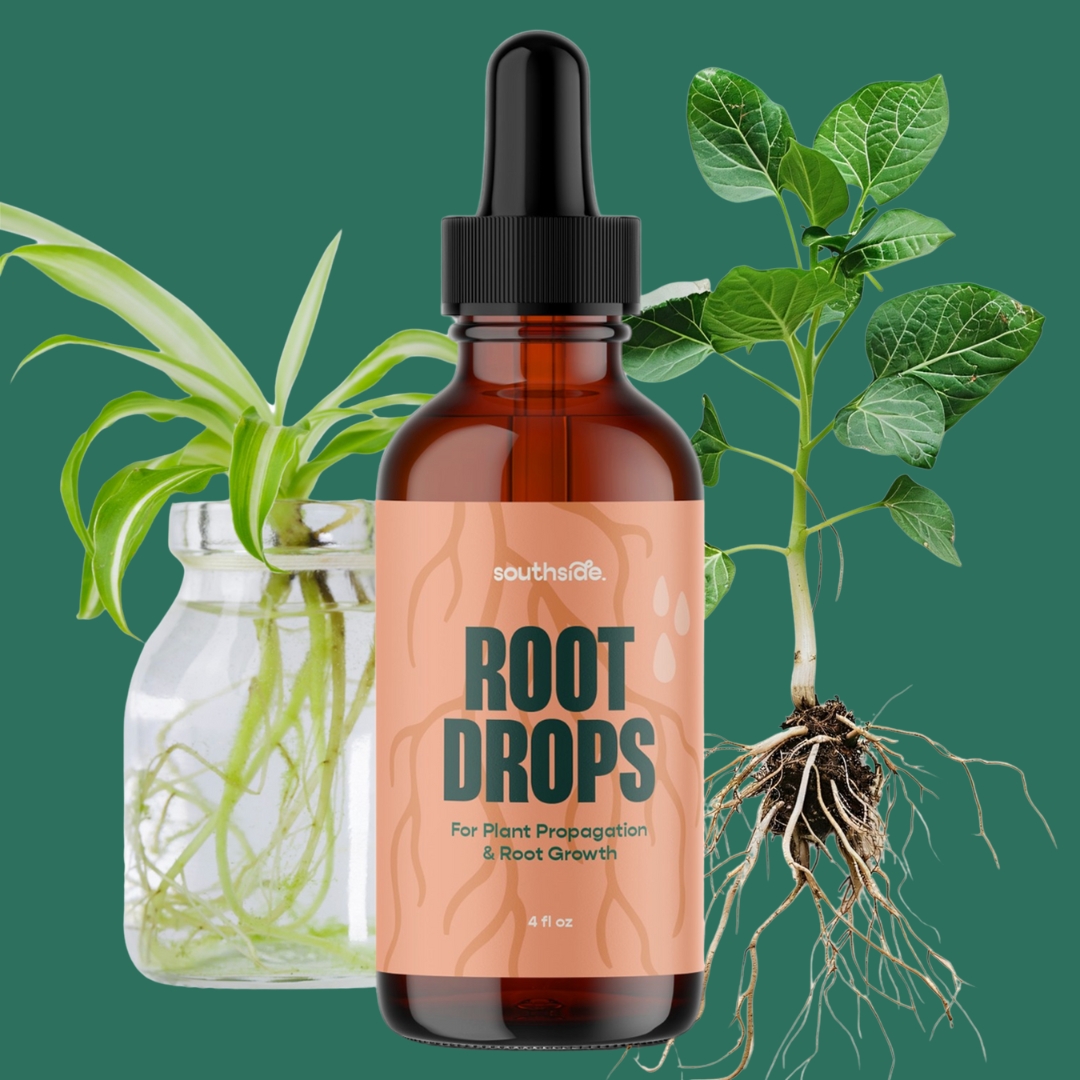
Root Drops - For Propagations & Repotting
Pots without drainage holes are one of the biggest causes of this cycle, since water has nowhere to go and just sits against the root ball. Decorative pots bought for looks often skip the hole entirely, so a plant can look fine on top while the bottom is already rotting. A plastic nursery pot with holes, set inside the decorative one, solves this without changing how the room looks.
Soil age matters just as much as drainage. Fresh mix is light and full of air gaps, but soil that has compacted over a year or two turns dense and holds water like a sponge. If you're repotting an older plant, the repot houseplants steps cover how to swap out tired soil before it causes trouble.
Some common houseplants handle wet feet better than others, and knowing which ones you own changes how often you need to check the pot.
| Plant | Risk level | Why |
|---|---|---|
| Pothos | Low | Tolerates uneven watering, roots recover fast |
| Snake plant | Low | Succulent roots store water, rarely need much |
| Peace lily | High | Thin roots, wilts and rots if soil stays soggy |
| Calathea | High | Needs even moisture but drowns fast in dense mix |
| Philodendron | Medium | Forgiving but still prone in old, compacted soil |
Spotting Root Rot Before It Spreads
You can confirm root rot by checking three things at once: the leaves, the stem, and the smell coming from the pot. Yellowing lower leaves paired with a mushy stem base and a sour or rotten-egg smell from the soil means the roots are already breaking down, not just drying out.
The only way to know for sure is to pull the plant and look. Healthy roots are white or light tan and feel firm when you squeeze them, while rotten roots turn brown or black and go soft, sometimes slipping off in your hand.
A wilting plant sitting in wet soil is not asking for more water, it is showing you the roots can't absorb what's already there. Slow growth and leaf drop under good light, with no pest damage anywhere, usually point back to the root zone rather than the leaves themselves.
- Touch the soil 2 inches down, not just the surface, to check real moisture
- Gently tug a lower leaf, healthy leaves resist, dying ones pull off easy
- Smell the soil close up, sour or eggy means bacteria has already set in
- Pull the root ball and press a root between two fingers, it should hold shape
A plant can look stressed for a dozen reasons, but mushy, dark roots are the one sign that always means rot, so don't treat the plant for anything else until you've checked underneath.
Rescuing a Plant With Rotted Roots
You save a rotted plant by removing every dead root and giving the healthy ones a clean, dry restart. Start by pulling the plant out and rinsing the soil off the roots under running water so you can see exactly what you're working with.
Use clean scissors to snip away any root that's brown, black, or squishy, cutting back to firm white tissue even if that means losing most of the root ball. Wipe the blades with rubbing alcohol between cuts so you don't spread fungus to the roots you're keeping.
Let the trimmed roots sit out in the open air for a couple of hours before repotting, since planting them wet invites the same rot right back.
- Rinse roots clean so dead tissue is easy to spot
- Cut away anything brown or soft with sanitized scissors
- Air dry the roots for 2 hours before putting them back in soil
- Repot into fresh, fast-draining mix in a pot with drainage holes
- Add Root Drops to water afterward to ease shock and push new root growth
Never repot a trimmed plant into damp soil right away, the dry window matters more than people expect. Runo Plants' Root Drops can be mixed into the water you give it over the next few weeks to support whatever roots are left.
Choosing Soil That Won't Trap Water Again
The soil you repot into decides whether rot comes back within a year or stays gone for good. Dense, moisture-holding mixes are the most common repeat offender, since they look fine on the bag but pack down fast and hold water right against the roots.
Snake plants and other succulents need a chunky, fast-draining blend built for them, which is why Runo's Sansevieria Snake Plant Premium Potting Mix skips the heavy organic matter that stays wet too long. Leafy aroids and jungle plants like pothos or philodendron still want airflow around the roots even though they drink more, and the Houseplant Chunky Mix balances that moisture against drainage instead of just holding water.
- Snake plants, succulents: chunky, mineral-heavy mix, dries fast
- Pothos, philodendron, anthurium: organic-rich chunky mix with airflow
- Any plant that just had root rot: brand new bag, never reused soil
Never reuse old, compacted soil after a rot incident, even if you dry it out first, since the fungus and dead organic matter stay in it. A fresh bag costs less than losing the plant a second time, and it's the one variable you control completely.
Stopping Root Rot From Coming Back
You stop repeat rot by changing habits, not just soil. Check moisture with a finger 2 inches into the pot before every watering instead of watering on a set schedule, since light, temperature, and humidity in your space all change how fast soil dries.
Always pot into something with drainage holes, then drop that nursery pot into a decorative cachepot if you want it to match the room. Empty the saucer under the pot after every watering so roots never sit soaking in runoff water overnight.
- Finger-test soil before watering, skip the fixed schedule
- Use pots with drainage holes, hide them in a cachepot if needed
- Dump saucer water within an hour of watering
- Repot once a year with fresh mix to avoid compacted soil
- Mix Root Drops into water after a routine repot to support root strength
Repotting once a year with fresh mix keeps the soil from compacting into the sponge-like state that traps water near the roots. The yearly repot matters even if the plant looks fine on top, since root health is the part you can't see from the leaves.
Why New Plant Parents Reach for the Watering Can First
New plant owners tend to water out of love, not need, because frequent watering feels like care while skipping a day feels like neglect. That instinct is backward for most houseplants, since more roots die from too much water than from too little.
Apartments in Homestead with central AC and closed windows cut airflow way down, and still air slows soil drying far more than most renters expect. A pot that dries in 5 days outdoors can take 9 or 10 indoors with the same soil and light, so a weekly watering habit built outside doesn't transfer inside.
Pet owners and remote workers often water on a routine because it's easy to remember, like feeding the dog at 7am or watering plants every Sunday during a work break. A calendar doesn't know your soil is still damp from last week, but your finger does.
The fix is a mindset shift, not a new tool: water based on what the soil tells you, not what the date says.
- Love shows as attention to soil, not frequency of watering
- Closed-window apartments can double drying time versus outdoor pots
- Routine watering ignores humidity, season, and light changes
- A dry 2 inches down means water, damp means wait
If your watering habits already lean toward overwatering, starting with easier plants from the common houseplants collection gives you more room for error while you build the habit of checking soil instead of checking the calendar.
Go Check the Plant You've Been Worried About
Walk over to that one plant you keep eyeing with doubt and pull it out of its pot right now. Press the roots between two fingers. Firm and white means leave it alone. Soft, dark, or slipping apart means it needs fresh, fast-draining mix today, not next weekend. Repot it into a dry pot with drainage holes and skip the old soil entirely, even if most of it looked fine. Once it's repotted, mix Root Drops into the water you give it over the next few weeks to help the roots that survived start pushing new growth. One honest check today is worth more than another week of wondering.
Leftover Root Rot Questions
Can a plant with root rot ever fully recover its original size?
Yes, but it takes time and the plant may stay smaller for months. Once you cut away dead roots, the plant has fewer roots to pull up water and nutrients, so new growth is slower than before. Leaves that already yellowed or dropped won't come back, but new ones will replace them as the root system rebuilds.
Is it safe to compost soil that had root rot in it?
No, skip the compost pile for soil that came out of a rotted root ball. The fungus and bacteria that caused the rot can survive in a home compost bin and spread to other plant material you add later. Bag it and throw it out with regular trash instead, especially if you keep other houseplants nearby.
Will my pets get sick from a plant that had root rot?
Root rot itself is a soil and root problem, not something that makes a plant toxic to cats or dogs. The risk comes from the plant species itself, not the rot, so a safe plant stays safe through treatment and a toxic one stays toxic. If you're not sure what you're growing, check the plant's name against an ASPCA pet safety list before letting a curious pet near the pot.
How long should I wait before watering a plant again after a rot rescue?
Wait until the top 2 inches of the fresh soil are fully dry, which usually takes 5 to 7 days after repotting. Watering too soon undoes the dry restart the roots need to recover. When you do water, mix in Root Drops to support the roots that made it through the trim.