

Rare Outdoor Plants Worth Buying for a Standout Garden
Aug 26, 2026
Your neighbor's garden probably has the same hostas and hydrangeas as everyone else on the block, but what if you could grow something so unusual that people stop mid-walk to ask about it. Rare outdoor plants transform ordinary yards into living galleries that spark conversations and make your space truly one-of-a-kind. The best part is that rare outdoor plants aren't just about bragging rights—they bring textures, colors, and forms you simply can't find at big-box garden centers.
What makes a plant rare and worth collecting?
A plant is considered rare and worth collecting when it has limited availability due to difficult propagation, slow growth rates, recent hybridization, or restricted natural habitat distribution. Rare plants typically offer unique visual characteristics such as unusual foliage colors, distinctive growth patterns, or exotic origins that cannot be found in common garden varieties.
Can Alocasia Venom grow outdoors?
Alocasia 'Venom' can grow outdoors year-round in USDA hardiness zones 9-11, where temperatures remain above 50°F (10°C). In cooler climates, this dark-leaved tropical plant thrives outdoors during summer months but must be brought inside or treated as an annual when temperatures drop below 60°F (15°C).
How tall does Musa Tropicana banana plant grow?
Musa 'Tropicana' banana plant grows 6 to 8 feet tall in a single growing season under optimal outdoor conditions. This ornamental banana variety is prized for its burgundy-striped variegated foliage rather than fruit production, making it an ideal fast-growing tropical specimen for gardens.
Table of Contents
- What Makes a Plant Rare and Worth Collecting
- Alocasia 'Venom' for Dark Drama Outdoors
- Gerrardanthus Macrorhizus 'Bigfoot' as Living Sculpture
- Banana 'Musa Tropicana' for Instant Tropical Vibes
- Choosing the Right Rare Plant for Your Space
- Start Your Rare Plant Collection Today
- Common Questions About Rare Outdoor Plants
What Makes a Plant Rare and Worth Collecting
Most garden centers stock the same twenty or thirty plants year after year, but there's a whole world of unusual specimens that never make it to those shelves. Rare outdoor plants are different from the typical nursery offerings you see everywhere, and they're becoming more popular with gardeners who want something special. These plants stand out because they're harder to find, slower to grow, or have features that make them genuinely unique. Understanding what makes a plant rare helps you know what you're actually getting when you invest in something beyond basic garden stock.
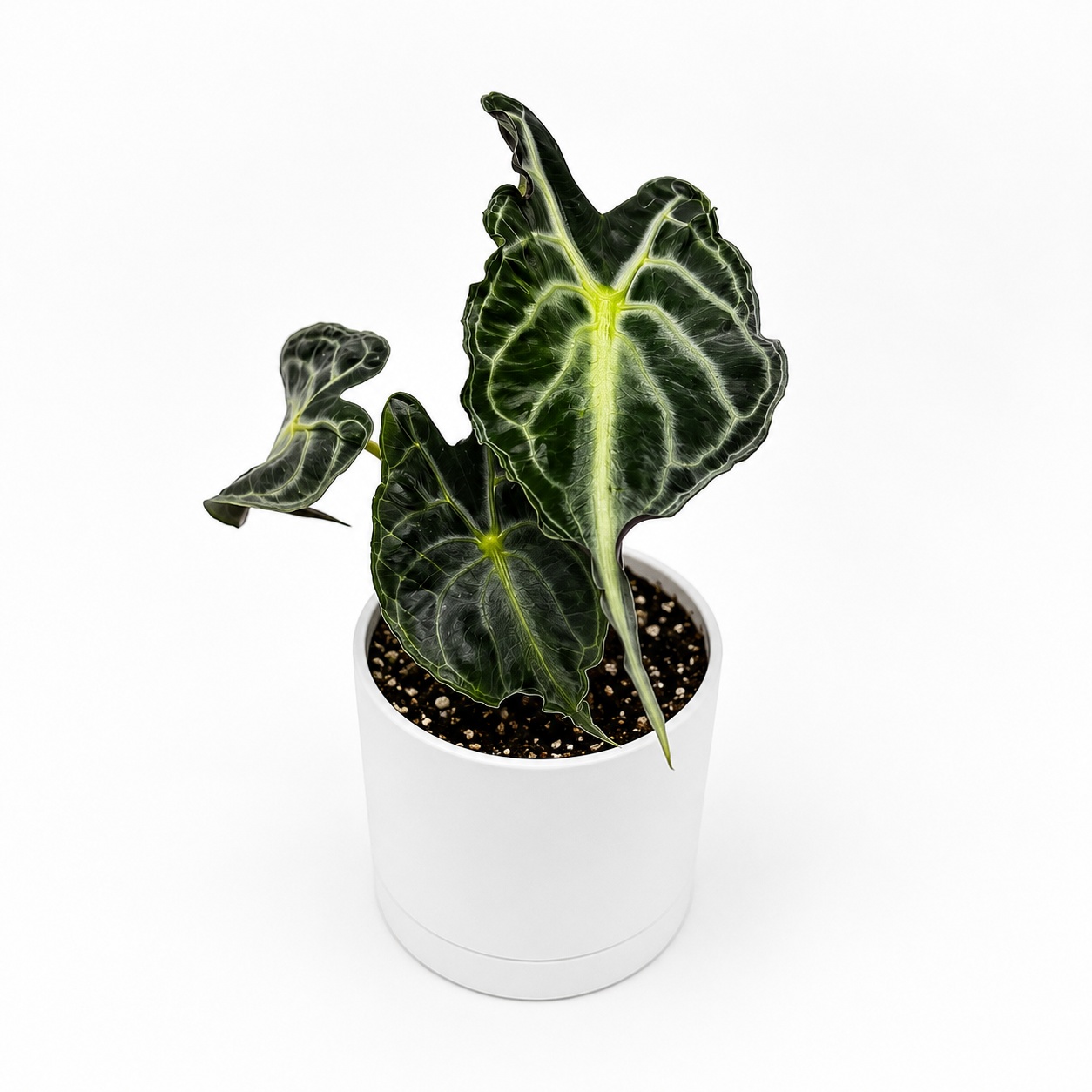
Alocasia 'Venom'
Defining Rare Versus Common Plants
A rare plant isn't just something you haven't seen before at your local store. It's a plant that has limited availability because of specific growing challenges or restricted distribution. Common nursery stock gets mass-produced by big growers like Costa Farms and sold everywhere from big box stores to online retailers like The Sill or Bloomscape.
Rare plants come from specialty growers who focus on unusual varieties. These aren't plants you'll find at every garden center because they take more time, skill, or specific conditions to produce.
| Characteristic | Common Plants | Rare Plants |
|---|---|---|
| Availability | Everywhere, year-round | Limited sources only |
| Propagation Speed | Fast, easy to multiply | Slow or difficult |
| Price Range | $5-25 typically | $40-150+ often |
| Growing Difficulty | Beginner-friendly | Varies widely |
| Visual Impact | Standard appearance | Unique features |
Factors That Create Rarity
Several things can make a plant rare, and it's not always about being difficult to grow. Some plants just take forever to reach selling size, which means growers can't produce them quickly enough to meet demand. Others have specific propagation requirements that make mass production nearly impossible.
- Slow growth rates that require years before plants reach marketable size
- Difficult propagation methods that don't work with standard nursery techniques
- Limited natural habitat or restricted collection from the wild
- Recent introduction to cultivation with few parent plants available
- Unique genetic mutations or cultivars that can't be easily reproduced
The Gerrardanthus macrorhizus 'Bigfoot' we carry is a perfect example. Its massive caudex takes years to develop, and you can't rush that process no matter how skilled you are at growing.
Outdoor Rare Plants Versus Indoor Collectors Items
There's a big difference between rare houseplants and rare outdoor plants, even though both categories exist. Most rare plant content online focuses on indoor specimens because companies like Houseplant Box and Bloomsy Box built their businesses around shipping delicate tropicals. Outdoor rare plants need to handle real weather conditions, which actually makes them more practical for most gardeners.
Indoor rare plants often need precise humidity, temperature control, and careful light management. Outdoor varieties adapt to natural conditions once established.
- Outdoor specimens tolerate temperature fluctuations and natural light cycles
- Many rare outdoor plants are hardier than their indoor counterparts
- Garden placement allows for larger, more dramatic specimens
- Outdoor plants don't compete for limited indoor space
Plants like the Banana 'Musa Tropicana' bring that tropical collector vibe to outdoor spaces without the fussy care requirements of indoor rarities.
The Growing Accessibility of Rare Specimens
Rare plants used to mean knowing a specialist grower personally or waiting years on obscure waiting lists. That's changing as more specialty nurseries focus on unusual outdoor varieties. Online plant retailers now connect collectors directly with growers who propagate limited-run specimens, cutting out the middleman entirely.
This shift means you don't need to live near a specialty nursery anymore. Growers can ship directly to customers, making plants like Alocasia 'Venom' available to gardeners across different regions.
- Specialty online nurseries focus on rare varieties instead of mass-market plants
- Better shipping methods protect delicate specimens during transit
- Social media helps collectors find and share sources for unusual plants
- Small-scale growers can reach customers without retail partnerships
Alocasia 'Venom' for Dark Drama Outdoors
Most tropical plants lean toward bright greens and cheerful yellows, but the Alocasia 'Venom' takes a different path entirely. This rare collector's plant features deep emerald to nearly black leaves with pronounced veins that create an almost reptilian texture across the surface. The glossy foliage catches light in unexpected ways, making the plant look different depending on the time of day. When you place it in a shaded corner of your patio or under a covered outdoor area, the dark leaves create a moody focal point that makes everything around it look more vibrant by contrast.
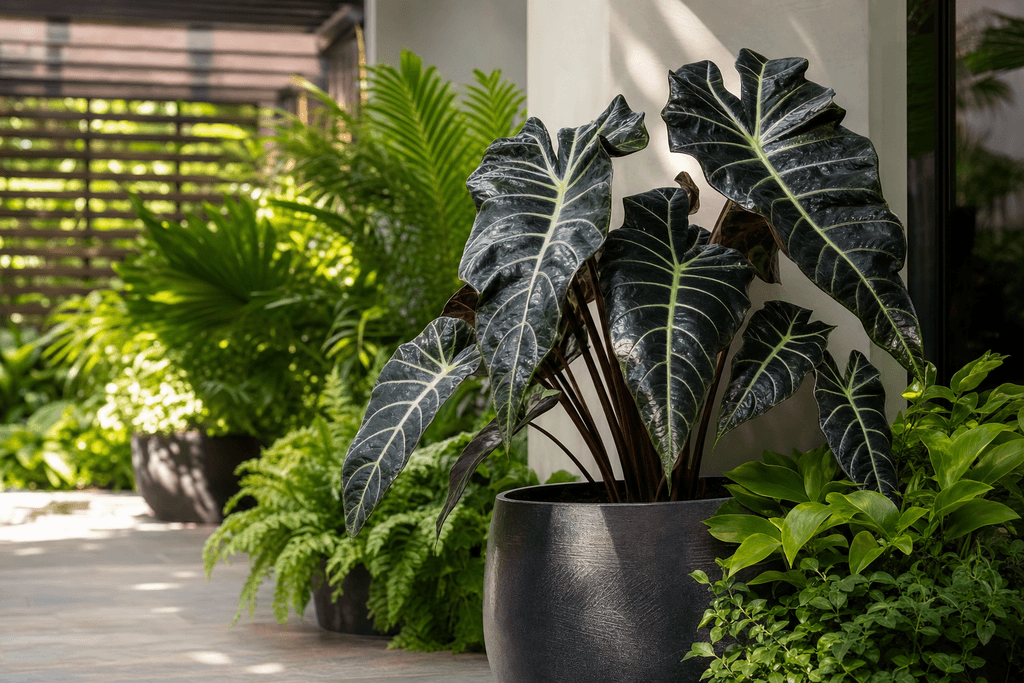
Transitioning this indoor favorite to outdoor spaces requires some planning, especially if you live in warmer climates. The plant thrives in USDA zones 9-11 where temperatures stay consistently above 60°F at night. Start by placing your Alocasia 'Venom' in a protected spot that gets bright, indirect light for a few hours each day, then gradually increase exposure over two weeks.
- Morning light works best since afternoon sun can scorch the dramatic leaves
- Covered patios and shaded garden corners provide ideal protection from harsh elements
- High humidity areas near water features or grouped with other tropical plants create the perfect microclimate
- Well-draining soil prevents root rot while maintaining the moisture these plants crave
The $110 price point might seem steep at first glance, but this plant creates an instant focal point that would cost significantly more if you tried to achieve the same impact with multiple smaller plants. One mature Alocasia 'Venom' commands attention in ways that few other plants can match.
Pairing this dark beauty with lighter-colored companions makes both stand out more. Consider placing it near other rare Alocasia varieties or contrasting it with bright green ferns and silvery succulents. The combination creates depth and visual interest that keeps people looking.
| Growing Factor | Outdoor Requirement |
|---|---|
| Light | Bright indirect, morning sun |
| Temperature | Above 60°F consistently |
| Humidity | 60% or higher |
| Watering | Keep soil moist, not soggy |
Gerrardanthus Macrorhizus 'Bigfoot' as Living Sculpture
The Gerrardanthus macrorhizus 'Bigfoot' stores water in a massive swollen caudex that literally looks like a giant foot sitting in your pot. This caudiciform plant gets more impressive with age as the caudex grows larger and develops more character, creating a bonsai-like appearance that becomes a conversation piece wherever you place it. Long twining vines emerge from this rugged base and produce heart-shaped green leaves that climb whatever support you provide. The contrast between the thick, sculptural base and delicate climbing foliage makes this one of the most visually interesting rare outdoor plants you can grow.
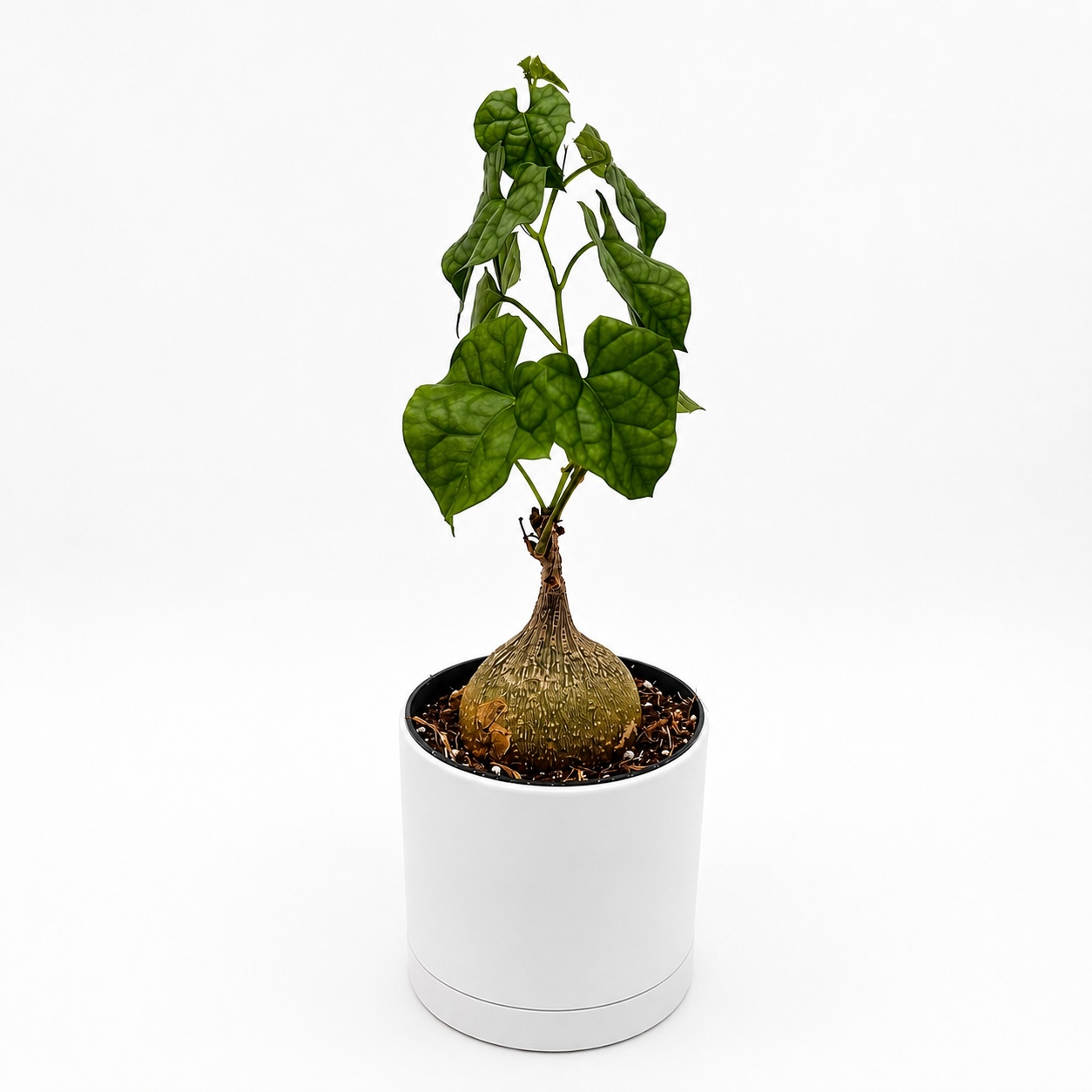
Gerrardanthus Macrorhizus 'Bigfoot'
Small outdoor spaces benefit most from this plant's vertical growing habit. While the caudex stays compact, the vines can climb several feet up a trellis or cascade down from a hanging basket.
- Choose a sturdy container with excellent drainage holes
- Add a small trellis or bamboo stakes for vines to climb
- Position in bright light with some direct morning sun
- Water only when soil is completely dry
- Protect from frost and temperatures below 50°F
The water storage capabilities built into that impressive caudex mean you can skip watering for weeks without harming the plant. This makes it perfect for apartment balconies where you might not check on plants daily, or for anyone who travels frequently but still wants rare outdoor plants that look amazing.
Display options range from standalone statement pieces on unique plant stands to grouped arrangements with other succulents and caudiciform plants. The sculptural quality means it works equally well in modern minimalist settings or bohemian jungle-inspired spaces.
At just $50, this plant offers incredible value considering how rare it is and how much visual impact it delivers. Most sculptural plants with this much character cost significantly more, and the Gerrardanthus grows more valuable as the caudex expands over time.
- First year growth focuses on establishing the caudex and root system
- Vines can grow 3-6 feet in a single growing season with proper care
- The caudex continues expanding throughout the plant's life
- Mature specimens develop deeply textured bark-like surfaces
Banana 'Musa Tropicana' for Instant Tropical Vibes
The Banana 'Musa Tropicana' grows faster than almost any other tropical plant you can buy, with massive paddle-shaped leaves that unfurl weekly during the growing season. Each leaf can reach several feet in length, creating an instant resort atmosphere that transforms boring patios into vacation-worthy spaces. The rich green foliage catches breezes beautifully, adding movement and sound to your outdoor area. This ornamental banana brings that lush, tropical paradise feeling without requiring you to live in an actual tropical climate.
Fast growth rates mean you see results within weeks, not months or years. A small plant purchased in spring can reach 4-6 feet tall by summer's end with proper care.
| Growth Metric | Expected Result |
|---|---|
| Height (first year) | 4-6 feet |
| Leaf size | 2-3 feet long |
| New leaves | 1-2 per week in summer |
| Mature height | 8-12 feet |
Poolside placements work particularly well since the large leaves create natural privacy screening while adding to the resort vibe. Patio focal points benefit from the architectural form, and the plants work beautifully in large containers or planted directly in the ground where climates allow.
At $38.88, this might be the best value among rare outdoor plants for the sheer amount of visual impact you get. Compare that to what you'd pay for mature landscaping plants at big box stores, and the Musa Tropicana delivers more drama for less money.
- Container growing works well in zones 7-8 where you can move plants indoors for winter
- In-ground planting suits zones 9-11 where temperatures stay mild year-round
- Protect from strong winds that can shred the large leaves
- Feed regularly during growing season for maximum leaf production
Cooler climate gardeners can still enjoy this plant by growing it in containers and bringing it into a garage or basement when temperatures drop below 50°F. The plant goes dormant in winter and bounces back quickly when warm weather returns. You can also explore more options in our outdoor patio plants collection for varieties that suit different climate zones.
These three rare outdoor plants each bring something unique to your garden space. Whether you want dark drama, sculptural interest, or instant tropical vibes, investing in unusual varieties creates a standout garden that neighbors will ask about. Check out our full selection of rare houseplants that can transition outdoors in warmer months for even more options.
Choosing the Right Rare Plant for Your Space
The success of rare outdoor plants depends entirely on matching the right species to your specific growing conditions and lifestyle. Each of the three featured rare outdoor plants thrives in different environments, from compact balconies to sprawling garden beds. Understanding these requirements before purchasing saves money and prevents the disappointment of watching an expensive plant struggle in the wrong setting. Your climate zone, available square footage, and weekly maintenance capacity all play crucial roles in determining which rare plant will flourish in your care.
Space Requirements for Each Plant
The Alocasia 'Venom' works perfectly for balconies and small patios because it stays compact at 18-24 inches tall. The Gerrardanthus macrorhizus 'Bigfoot' needs vertical space for its climbing vines but has a small footprint at the base, making it ideal for narrow garden beds or large containers. The Banana 'Musa Tropicana' demands the most room, requiring at least 6-8 feet of space in all directions when fully mature.
- Balconies under 50 sq ft: Alocasia 'Venom' or Gerrardanthus 'Bigfoot' with trellis
- Patios 50-150 sq ft: Any single specimen or combine Alocasia with Gerrardanthus
- Full gardens over 150 sq ft: All three plants together create layered tropical design
- Container gardening: Alocasia and Gerrardanthus adapt well to pots
Climate Compatibility Comparison
Climate zones determine which rare outdoor plants will survive year-round versus need winter protection. The Banana 'Musa Tropicana' tolerates the widest temperature range and can survive brief frosts in zones 8-11. Alocasia 'Venom' prefers consistent warmth in zones 9-11 and must be brought indoors when temperatures drop below 55°F. Gerrardanthus 'Bigfoot' handles the most extreme conditions, thriving in zones 9-12 and tolerating both heat and drought once established.
| Plant | Best Zones | Cold Tolerance | Heat Tolerance |
|---|---|---|---|
| Alocasia 'Venom' | 9-11 | 55°F minimum | High with shade |
| Gerrardanthus 'Bigfoot' | 9-12 | 40°F minimum | Excellent |
| Banana 'Musa Tropicana' | 8-11 | Brief frost OK | Very high |
Maintenance Levels for Busy Schedules
Busy plant owners need low-maintenance rare outdoor plants that don't demand daily attention. The Gerrardanthus 'Bigfoot' requires the least care, needing water only every 2-3 weeks during growing season thanks to its water-storing caudex. Banana 'Musa Tropicana' sits in the middle, requiring weekly watering and monthly fertilizing during active growth. Alocasia 'Venom' demands the most attention with consistent moisture, humidity monitoring, and protection from direct sun.
- Low maintenance (1-2 hours monthly): Gerrardanthus 'Bigfoot'
- Moderate maintenance (2-3 hours monthly): Banana 'Musa Tropicana'
- Higher maintenance (4-5 hours monthly): Alocasia 'Venom'
Budget and Long-Term Value
The initial investment in rare outdoor plants varies significantly, but long-term value depends on growth rate and visual impact over time. At $38.88, the Banana 'Musa Tropicana' offers the fastest return on investment, reaching impressive size within one growing season. The Gerrardanthus 'Bigfoot' at $50 provides unique sculptural interest that increases as the caudex expands annually. The Alocasia 'Venom' commands $110 as a rare collector's piece with slower growth but immediate dramatic presence.
| Plant | Price | Growth Speed | Mature Impact |
|---|---|---|---|
| Banana 'Musa Tropicana' | $38.88 | Very fast | Large focal point |
| Gerrardanthus 'Bigfoot' | $50.00 | Moderate | Unique sculpture |
| Alocasia 'Venom' | $110.00 | Slow to moderate | Rare collector status |
Creating Layered Tropical Designs
Combining multiple rare outdoor plants creates depth and visual interest that single specimens cannot achieve. The tall Banana 'Musa Tropicana' serves as the backdrop layer, while mid-height Alocasia 'Venom' fills the middle ground with dark foliage contrast. Gerrardanthus 'Bigfoot' works as a ground-level accent or trained vertically on structures for added dimension.
- Back layer: Banana 'Musa Tropicana' for height and tropical canopy effect
- Middle layer: Alocasia 'Venom' for dark foliage contrast and texture
- Front or vertical accent: Gerrardanthus 'Bigfoot' for sculptural interest
- Total investment for complete design: $198.88 for all three plants
Sourcing Quality Rare Plants
Finding healthy rare outdoor plants requires shopping with specialized nurseries that understand proper cultivation techniques. Runo Plants offers all three featured species with detailed care information and healthy specimens ready for outdoor planting. While competitors like The Sill and Bloomscape focus primarily on common houseplants, specialized growers provide access to truly rare varieties with better acclimation for outdoor conditions. The difference in plant quality becomes obvious within the first growing season when properly sourced rare plants establish quickly and show vigorous growth.
Start Your Rare Plant Collection Today
Each of these rare outdoor plants brings something different to your garden space. The Alocasia 'Venom' gives you that dark, dramatic look with its textured leaves that almost look reptilian. Gerrardanthus macrorhizus 'Bigfoot' offers a sculptural caudex that gets more interesting as it ages, plus climbing vines that add vertical interest. The Banana 'Musa Tropicana' creates instant tropical vibes with its broad paddle-shaped leaves that make any corner feel like a resort.
Most people think rare outdoor plants are hard to find or only available to serious collectors. That's not really true anymore. Rare houseplants and outdoor specimens are more accessible now than they were even a few years ago.
Starting with just one statement plant can change how your entire outdoor space feels. A single bold specimen like the Alocasia 'Venom' on a patio or the Banana 'Musa Tropicana' near a seating area creates a focal point that makes everything else look more intentional.
Finding these rare outdoor plants used to mean hunting through specialty nurseries or waiting months for imports. Runo Plants LLC ships these specimens directly from our location in Homestead, Florida, where we grow and source hard-to-find varieties. Our outdoor patio plants collection includes options that work for different climates and experience levels, so you're not stuck guessing which plants will actually thrive in your space.
The questions people ask most often about these plants usually come down to care requirements and whether they'll survive in specific conditions. That's what we'll cover next.
Common Questions About Rare Outdoor Plants
Growing rare outdoor plants comes with questions that most gardeners don't face with typical nursery stock. The good news is that once you understand the basics, these unique specimens aren't as mysterious as they seem. Whether you're eyeing an Alocasia 'Venom' for your shaded patio or considering a Gerrardanthus macrorhizus 'Bigfoot' for your garden, knowing what to expect makes all the difference.
Can these rare plants survive outdoors year-round?
It depends entirely on your climate zone and the specific plant. Most rare tropical plants like Alocasia 'Venom' thrive outdoors in USDA zones 9-11 but need to come inside when temperatures drop below 50°F. Plants like Banana 'Musa Tropicana' can handle brief cold snaps but perform best in warm, frost-free areas. The key is matching the plant's native habitat to your local conditions, or being ready to move container plants indoors during winter months.
How much maintenance do rare outdoor plants need?
Rare outdoor plants typically need about the same care as common plants, just with more attention to their specific preferences. Most require consistent watering, proper drainage, and protection from extreme weather. Caudiciform plants like Gerrardanthus macrorhizus 'Bigfoot' actually need less water than typical garden plants since they store moisture in their caudex. The maintenance level varies more by plant type than by rarity.
Are rare plants harder to care for than common ones?
Not necessarily, though they might have more specific requirements. A rare plant isn't automatically difficult, it's just less forgiving of mistakes because you can't easily replace it. Many rare outdoor plants are actually quite resilient once established in the right conditions. The learning curve comes from understanding what those right conditions are, which is true for any plant you haven't grown before.
Where can I buy authentic rare plants online?
Buying from specialized nurseries that focus on rare specimens gives you the best chance of getting healthy, correctly identified plants. At runoplants.com, we source rare outdoor plants directly and provide detailed care information with each purchase. While larger retailers like costafarms.com or bloomscape.com carry common varieties, specialty growers typically offer better selection and expertise for truly unusual specimens.
How do I know if a rare plant is worth the investment?
Consider whether the plant fits your growing conditions and whether its unique features genuinely appeal to you. A rare plant is worth buying if it can thrive in your space and brings you joy every time you see it. Price should reflect the plant's size, maturity, and actual scarcity, not just trendy marketing. Plants that grow slowly or have distinctive features that improve with age, like the sculptural caudex on Gerrardanthus macrorhizus 'Bigfoot', tend to hold their value better.
Can beginners successfully grow rare outdoor plants?
Yes, if you start with species that match your experience level and climate. Some rare plants are actually easier than their common counterparts because they've evolved specific survival strategies. Begin with one or two specimens, learn their needs thoroughly, and expand your collection as you gain confidence. The Banana 'Musa Tropicana' makes an excellent starter rare plant since it grows quickly and shows clear signs when it needs water or nutrients.