

Indoor House Plants Guide for Light, Water, and Easy Care
Aug 29, 2026
You check on your new plant every day, give it water when the soil looks dry, and somehow it still turns yellow and droopy within a month. The truth is, most house plants indoor fail because of too much love, not too little—overwatering kills more beginner plants than anything else. Once you understand the simple patterns of light and water that plants actually need, keeping greenery alive in your apartment becomes almost automatic.
How often should you water indoor plants?
Most indoor plants require watering once every 7-10 days, though the exact frequency depends on checking the top 2 inches of soil—water only when this layer feels completely dry to the touch. Overwatering causes 90% of indoor plant deaths, making it critical to verify soil dryness before each watering.
What are the light requirements for indoor plants?
Indoor plants need 6-8 hours of bright, indirect light daily for optimal growth, positioned 3-5 feet from south or west-facing windows. Low-light tolerant varieties like pothos and snake plants survive with 2-4 hours of indirect light, while succulents require direct sunlight for at least 4-6 hours.
Why do indoor plants turn yellow?
Yellow leaves on indoor plants indicate overwatering in 80% of cases, caused by roots sitting in waterlogged soil that prevents oxygen absorption. Other common causes include nitrogen deficiency, insufficient light exposure below 4 hours daily, or natural aging of lower leaves on mature plants.
Table of Contents
What Indoor Plants Actually Need to Thrive
Most house plants indoor die within the first three months, not because people don't care, but because they don't understand what plants actually need. The truth is that keeping plants alive isn't complicated once you know the basics. Plants are pretty simple organisms when you break it down, and they've been doing their thing for millions of years without our help. The trick is learning how to give them what they need in our homes, which look nothing like the jungles and forests they came from.
The Three Essentials Every Plant Needs
Every plant on Earth needs the same basic things to survive, whether it's growing in a rainforest or sitting on your kitchen counter. Understanding these three essentials makes everything else about plant care make sense.
- Light powers the whole operation through photosynthesis, turning energy into food
- Water carries nutrients through the plant and keeps cells from shriveling up
- Air circulation prevents mold, strengthens stems, and helps roots breathe
- Temperature stability keeps plant processes running smoothly without shock
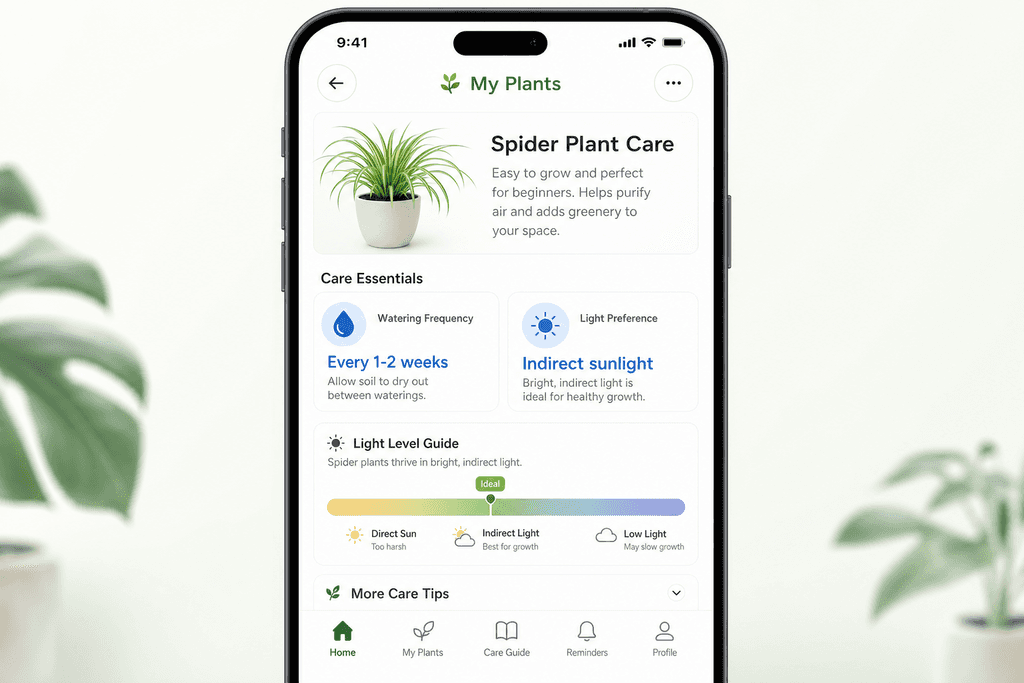
The Spider Plant from Runo Plants is a perfect example of how forgiving some house plants indoor can be with these basics. It tolerates low light better than most and bounces back quickly if you forget to water it.
Why Indoor Conditions Are Tricky
Here's the thing about most houseplants: they originally came from tropical or subtropical places where it's warm and humid year-round. Your living room is nothing like a rainforest floor. Indoor air is drier, light comes from one direction instead of filtering through trees, and temperature swings happen every time someone adjusts the thermostat.
| Condition | Natural Habitat | Typical Indoor Space |
|---|---|---|
| Humidity | 60-90% | 30-50% |
| Light Duration | 12 hours consistent | 6-10 hours variable |
| Air Movement | Constant gentle breeze | Still or AC blasts |
| Temperature Range | 70-85°F steady | 65-75°F fluctuating |
Different Plants, Different Tolerance Levels
Not all house plants indoor are created equal when it comes to handling less-than-perfect conditions. Some plants are drama queens that need everything just right, while others can handle whatever you throw at them.
- High-tolerance plants survive in low light and irregular watering schedules
- Medium-tolerance plants need consistent care but forgive occasional mistakes
- Low-tolerance plants require specific conditions and don't bounce back easily
The good news is that you don't need to recreate a rainforest in your apartment. You just need to match the right plants to the conditions you can actually provide, which is way easier than most people think.
Getting Light Right for Your Space
Most house plants indoor fail because people guess at lighting instead of actually checking what their space offers. Your apartment's light situation is easier to figure out than you think, and once you know what you're working with, picking the right plants becomes simple. The difference between bright, medium, and low light isn't about how it looks to your eyes, but about how many hours of actual sunlight hit a spot each day. A room that feels bright to you might actually be medium light for a plant, and that's where things get interesting.
Here's how to tell what kind of light you really have. Bright light means you can see clear shadows when you hold your hand near the window during midday. Medium light creates softer, less defined shadows. Low light barely casts any shadow at all.
- South-facing windows get the most intense light all day long
- North-facing windows provide consistent but gentler light
- East-facing windows offer morning sun that's usually perfect for most plants
- West-facing windows can get hot afternoon sun that might be too intense
The Chlorophytum comosum from Runo Plants works great in most apartment settings because it thrives in indirect light. You can place it a few feet back from a bright window or right next to a medium-light window. Spider plants are forgiving enough to handle various light conditions, which is why they're perfect for first-time plant owners who aren't sure what their space offers yet.
Your plant will tell you if something's wrong with the lighting. Leaves that turn pale or yellowish usually mean too much direct sun. Growth that gets leggy and stretched out, or leaves that turn dark green and stop growing, signals not enough light.
- Hold your hand 12 inches from the window at noon
- Check if you see a sharp shadow (bright), soft shadow (medium), or barely any shadow (low)
- Note which direction your windows face
- Observe how many hours direct sun hits each spot
- Remember that light changes with seasons
For rooms with no natural light at all, you'll need to add a grow light or stick with artificial plants. But most apartments have at least one window that can support real house plants indoor with the right species choice.
Watering Without the Guesswork
The biggest mistake people make with house plants indoor is following a watering schedule they found online. Your apartment's humidity, temperature, pot size, and even the season all affect how quickly soil dries out, so watering every seven days might work great in January but drown your plant in July. The good news is there's a simple way to know exactly when your plant needs water, and it takes about five seconds.
Stick your finger into the soil up to your second knuckle. If it feels dry at that depth, water it. If it feels damp or cool, wait another day or two and check again.
This finger test works because it measures actual soil moisture instead of guessing based on time. Most house plants indoor prefer their soil to dry out slightly between waterings. The Chlorophytum comosum handles occasional missed waterings better than most plants, which makes it ideal for busy people or anyone still learning the rhythm of plant care.
| Season | Spider Plant | Most Tropicals |
|---|---|---|
| Spring/Summer | Every 5-7 days | Every 4-6 days |
| Fall/Winter | Every 10-14 days | Every 7-10 days |
Pot size matters more than most people realize. A small plant in a huge pot sits in wet soil too long and develops root rot. Drainage holes are non-negotiable unless you really know what you're doing. Water should flow through the soil and out the bottom, never sitting in a saucer for hours.
Signs of overwatering include yellow leaves, mushy stems, and soil that smells sour or rotten. Underwatering shows up as brown, crispy leaf tips and soil that pulls away from the pot edges. The difference is pretty obvious once you know what to look for, and you can find more details in our beginner-friendly plant care guide.
Easy Care Routines That Actually Work
Taking care of house plants indoor doesn't require daily attention or complicated schedules. A quick five-minute check once a week catches most problems before they become serious, and a slightly longer monthly routine keeps everything thriving. The key is knowing what actually matters and what's just extra work that doesn't help your plants. Most apartment dwellers can keep their plants healthy with less effort than they spend making coffee each morning.
Your weekly routine should cover the basics. Check soil moisture with the finger test, look at the leaves for any changes in color or texture, and rotate pots a quarter turn so all sides get equal light. That's it for most weeks.
- Test soil moisture in each pot
- Look for yellow, brown, or spotted leaves
- Check for bugs on leaf undersides
- Rotate plants for even growth
- Remove any dead leaves
Monthly tasks take a bit more time but make a real difference. Wipe dust off leaves with a damp cloth so they can absorb light better. Check if roots are growing out of drainage holes, which means it's time to repot. Look closely for any pests like spider mites or fungus gnats that might be starting to show up.
Fertilizing is where people often do too much. Most house plants indoor need food only during their growing season, which is spring and summer. Use half the amount the fertilizer bottle recommends, and only feed once a month. Our Chlorophytum comosum arrives ready to grow and won't need fertilizer for the first few months.
- Week 1: Clean leaves and check for pests
- Week 2: Regular watering check only
- Week 3: Fertilize if it's growing season
- Week 4: Inspect roots and consider repotting needs
Common apartment pests include tiny spider mites, small flying fungus gnats, and occasionally mealybugs that look like white cotton. Catching them early means you can usually just wipe them off with rubbing alcohol on a cotton swab. Wait too long and you'll need stronger solutions.
The real secret to easy plant care is choosing plants that match your lifestyle from the start. If you want more options beyond spider plants, check out our easy care beginner collection or browse the low light indoor plants that work in almost any apartment. You can also explore our full plant care library for specific guidance on different species.
Your Path to Becoming a Confident Plant Parent
Taking care of house plants indoor really comes down to three simple things: getting the light right, watering when the soil tells you to, and checking in on your plants regularly. Most people overthink it and end up either drowning their plants or forgetting about them completely. The truth is, plants are pretty forgiving if you pay attention to what they're trying to tell you.
Mistakes are going to happen, and that's actually how you learn. Your first plant might get a little crispy around the edges or drop a few leaves, but that doesn't mean you have a black thumb. It just means you're figuring out what works in your specific space with your specific schedule.
Spider plants are honestly the best place to start because they survive almost anything and still look good doing it. The Chlorophytum comosum from Runo Plants handles low light, forgives missed waterings, and even produces baby plants you can share with friends once you get the hang of things. Starting with something this resilient builds your confidence way faster than jumping straight into finicky tropical plants.
If you're ready to start small, check out our easy care beginner collection where everything is picked specifically for people just getting into plants. You can always expand your collection later once you've got a few months under your belt and understand how plants behave in your apartment or home office.
The questions below cover some of the specific situations that trip up most new plant parents, so you might find answers to things you didn't even know you needed to ask yet.
Common Questions About Indoor Plant Care
Getting started with house plants indoor can feel overwhelming when you're not sure what's normal and what's a problem. New plant owners often worry about the same handful of issues, and the good news is that most of them have simple solutions. These questions come up again and again, so if you're wondering about them too, you're definitely not alone. Let's clear up the confusion so you can feel confident taking care of your green friends.
How often should I water my indoor plants?
Most house plants indoor need water when the top inch or two of soil feels dry to the touch. Stick your finger in the soil before watering, and you'll avoid the most common mistake of overwatering. Different plants have different needs, but checking the soil is always your best guide.
Can plants survive in rooms with no windows?
Some plants can handle low light, but none can survive with zero light for long periods. If you have a windowless bathroom or office, consider rotating plants in and out every few weeks, or add a simple grow light. Spider plants and pothos are among the most forgiving for dimmer spaces, though they still need some light source to stay healthy.
Why are my plant's leaves turning yellow?
Yellow leaves usually mean you're watering too much or too little. Overwatering is the more common culprit and can lead to root rot if the soil stays soggy. Check your watering schedule and make sure your pot has drainage holes so excess water can escape.
Do I need to buy expensive plant food?
Not at all. A basic, balanced liquid fertilizer works great for most house plants indoor, and you only need to feed them during their growing season in spring and summer. Many plants do just fine with feeding once a month, and our Chlorophytum comosum thrives with minimal fertilizer since it's naturally low-maintenance.
Are spider plants safe for pets?
Yes, spider plants are non-toxic to cats and dogs, which makes them perfect for pet owners who want greenery without worry. Your pets might still nibble on the leaves out of curiosity, but it won't harm them.
How do I know if my plant needs a bigger pot?
Look for roots growing out of the drainage holes or circling around the inside edge of the pot when you lift the plant out. Most house plants indoor only need repotting every year or two, so don't rush to size up unless you see these signs. When you do repot, go just one size larger to avoid overwhelming the plant with too much soil.