

House Plants Guide to Choosing and Caring for Houseplants
Aug 24, 2026
You water your houseplants every week like clockwork, give them a sunny spot by the window, and somehow they still turn yellow and drop leaves. The truth is that most household plants die from too much care rather than neglect, and understanding a few simple rules can turn anyone into a confident plant parent. Whether you're working from a cramped studio apartment or trying to green up your home office, this guide walks you through choosing the right houseplants for your space and keeping them thriving without the guesswork.
How often should beginners water houseplants?
Most common houseplants require watering once every 7-10 days, though the exact frequency depends on checking the top 2 inches of soil—water only when this layer feels completely dry to the touch.
What are the easiest houseplants for beginners?
The easiest houseplants for beginners are pothos, snake plants, and ZZ plants, as these three species tolerate low light, irregular watering, and survive neglect better than 90% of other indoor plants.
What is the number one mistake that kills houseplants?
Overwatering is the leading cause of houseplant death, responsible for killing more indoor plants than all other factors combined by causing root rot that prevents oxygen from reaching the root system.
Table of Contents
Understanding Your Indoor Environment
Most houseplants die not because their owners don't care, but because they're living in the wrong spot. Your home is actually a collection of mini-climates, each with different light levels, temperatures, and humidity zones. A sunny kitchen window offers completely different growing conditions than a dim bathroom corner, and understanding these differences is the key to keeping your household plants alive and happy. What works for your friend's apartment might fail miserably in yours, which is why so many people think they have a "black thumb" when really they just need to match the right plant to the right space.
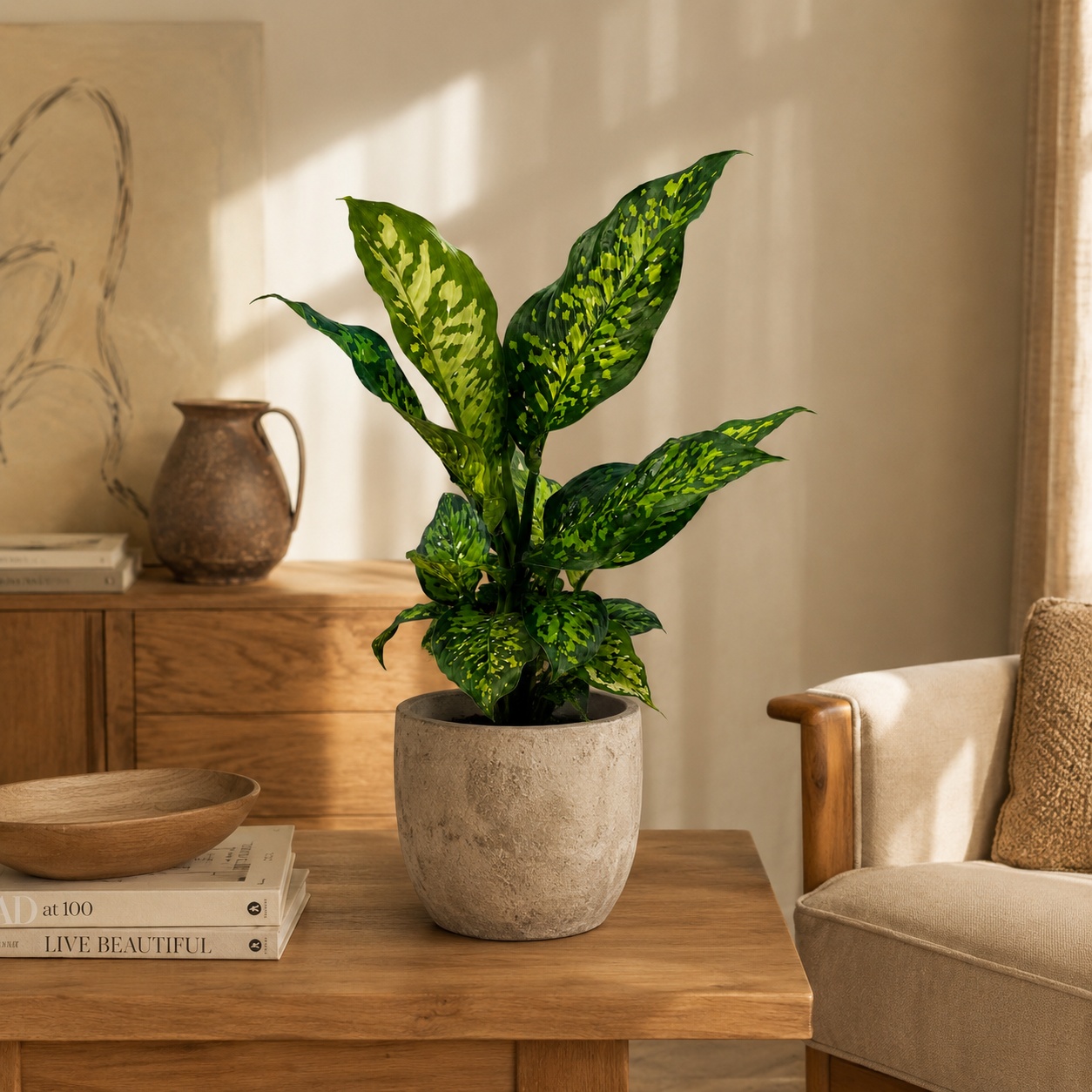
Large Dieffenbachia Reflecta 'Cheetah'
How Light Changes from Room to Room
Light is the biggest factor in houseplant success, but it's also the trickiest to judge. What looks bright to your eyes might be dim to a plant, and what seems like "indirect light" could actually be deep shade. Windows facing different directions get wildly different amounts of sun throughout the day.
Here's what most people don't realize about indoor light:
- South-facing windows get the most intense light all day long
- North-facing windows provide consistent but weak light that never gets direct sun
- East windows offer gentle morning sun that won't burn sensitive leaves
- West windows blast hot afternoon sun that can scorch many houseplants
- Light drops off dramatically just a few feet away from any window
The distance from your window matters more than most beginners think. A plant sitting right next to a window gets about ten times more light than one placed six feet away in the same room.
Room by Room Growing Conditions
Different rooms in your home naturally create different environments for house plants. Bathrooms tend to be humid but often lack good light, while living rooms might have great windows but bone-dry air from heating systems. Kitchens get steamy when you cook but can have temperature swings that stress some plants.
| Room Type | Typical Light | Humidity Level | Best For |
|---|---|---|---|
| Bathroom | Low to Medium | High | Ferns, Pothos |
| Kitchen | Medium to Bright | Medium-High | Herbs, Syngonium |
| Living Room | Varies Widely | Low-Medium | Most Houseplants |
| Bedroom | Medium | Low-Medium | Snake Plants, Dieffenbachia |
| Office/Den | Low to Medium | Low | Low-Light Tolerant |
Plants like the Dieffenbachia reflecta 'Cheetah' adapt well to medium-light bedrooms and living rooms, while the Syngonium 'Snow White' thrives in brighter kitchen windows where its white variegation really pops.
Temperature and Humidity Matter More Than You Think
Most people focus only on watering and light, but temperature and humidity quietly kill more houseplants than anything else. Central heating in winter can drop indoor humidity below 20%, which is drier than some deserts. Meanwhile, most tropical house plants prefer humidity levels between 40-60%.
Here's what affects your indoor climate:
- Heating systems dry out the air dramatically in winter months
- Air conditioning removes moisture while cooling in summer
- Drafty windows create cold spots that stress tropical plants
- Rooms with lots of hard surfaces tend to be drier than carpeted spaces
Temperature swings stress plants more than consistent cool or warm conditions. A plant sitting near a heating vent might experience 20-degree temperature changes throughout the day, which weakens its immune system and makes it vulnerable to pests and diseases.
The good news is that once you understand your space, choosing the right houseplants becomes much easier. You stop fighting against your environment and start working with it instead.
Picking Your First Houseplants
Most people kill their first houseplant within three months, and it usually has nothing to do with having a "black thumb." The real problem is choosing plants that don't match your actual lifestyle. If you travel twice a month for work, that thirsty fern isn't going to make it. If your apartment gets about as much natural light as a cave, that fiddle leaf fig will slowly fade away no matter how much you want it to thrive. The secret to keeping houseplants alive starts before you even bring one home.
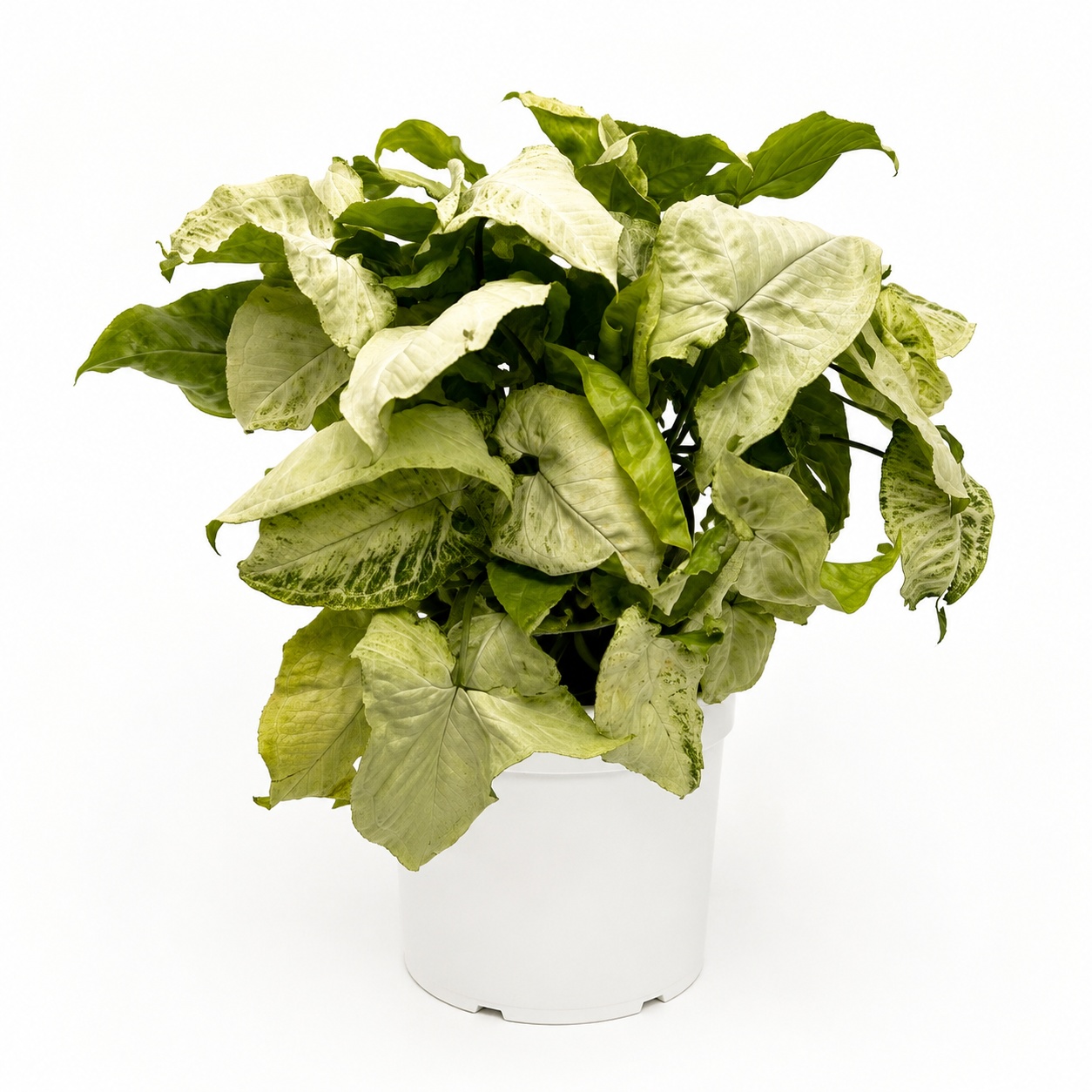
Syngonium 'Snow White'
Your schedule matters more than your intentions. Be honest about how much time you'll actually spend checking on your plants. Some houseplants need attention every few days, while others can go two weeks without you even looking at them.
- Work from home with flexible hours? You can handle plants that need frequent misting or specific watering schedules
- Gone 10 hours a day with a packed weekend? Stick with drought-tolerant varieties that forgive missed waterings
- Have pets or small kids? Skip toxic plants like most Dieffenbachia varieties and research pet-safe options first
- Live in a dark apartment? Low-light tolerant plants are your only realistic option
The difference between low-maintenance and high-maintenance houseplants isn't always obvious from looking at them. A gorgeous variegated plant might need precise light conditions to keep its patterns, while a plain green variety of the same species could tolerate almost anything. Variegated plants like the Syngonium 'Snow White' actually fall somewhere in the middle because they need decent light to maintain their white markings, but they're still forgiving enough for beginners who can provide a bright spot.
The Large Dieffenbachia Reflecta 'Cheetah' offers that wow factor people want from houseplants without requiring expert-level care. Its speckled leaves make a statement in any room, and it tolerates the kind of minor mistakes new plant owners make while learning.
Questions to Ask Yourself Before Buying a Houseplant
- How many days per week am I actually home?
- Do I have pets that chew on things?
- What's the darkest room where I want to put a plant?
- Am I willing to move plants around to find the right spot?
- Do I want a plant that stays compact or one that grows large?
Starting with forgiving plants builds your confidence and teaches you what to look for in a healthy plant. Once you understand how plants communicate through their leaves, you can graduate to more demanding varieties. Check out our easy care beginner collection to see options that tolerate the learning curve.
Watering Without the Guesswork
Overwatering kills more houseplants than every other mistake combined, and it happens because people water on a schedule instead of checking what the plant actually needs. Your household plants don't care that it's Sunday or that you watered exactly seven days ago. They care about whether their soil is dry or wet right now. The temperature in your home, the season, the pot size, and even how much the plant has grown all change how quickly soil dries out.
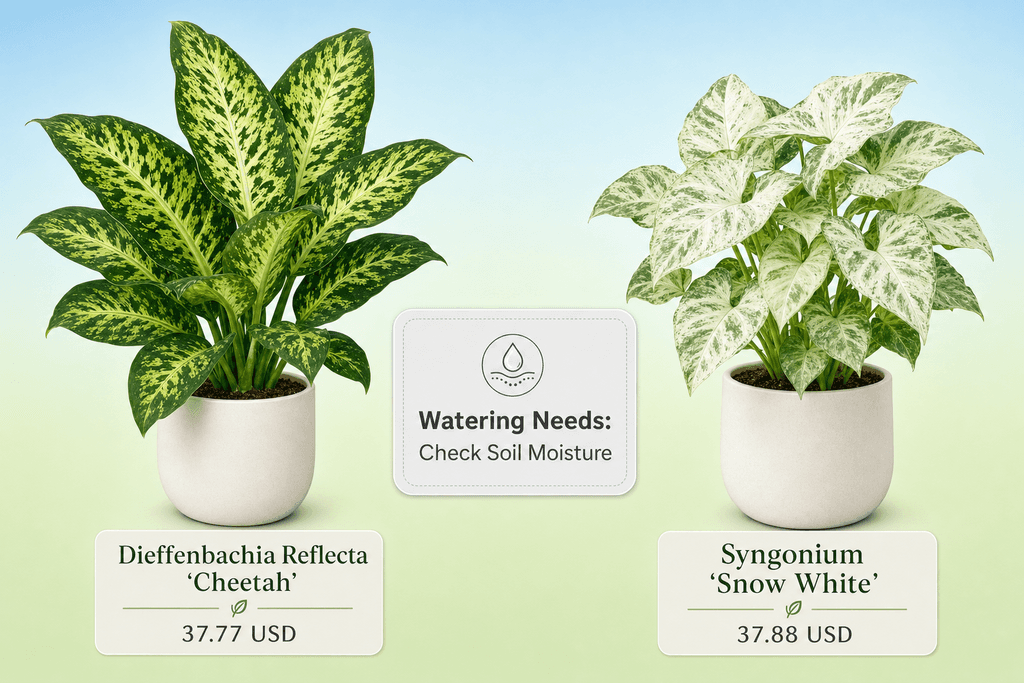
The finger test works better than any app or schedule. Stick your finger into the soil up to your second knuckle. If it feels dry at that depth, most houseplants are ready for water. If it feels damp or cool, wait another day or two and check again.
| Method | Accuracy | Best For |
|---|---|---|
| Scheduled watering | Low | Outdoor gardens only |
| Checking soil moisture | High | All houseplants |
| Moisture meter | Medium | Large pots, beginners |
| Weight test | High | Small to medium pots |
Different plants need different approaches to watering. Tropical houseplants like Syngonium and Dieffenbachia prefer their soil to dry out slightly between waterings but not completely. Succulents want to go bone dry. Ferns panic if they dry out at all. This is why the "water once a week" advice fails so many people.
Seasonal changes throw another wrench into watering routines. Your home's humidity drops in winter when the heat runs, so soil dries faster even though plants grow slower and need less water. In summer, plants actively grow and drink more, but higher humidity means soil stays moist longer. A plant that needed water every five days in July might only need it every ten days in January.
- Too much water: Yellow leaves, soft brown spots, soil that smells sour, or leaves that drop off while still green
- Too little water: Crispy brown leaf edges, leaves that curl inward, drooping that doesn't bounce back after watering, or soil pulling away from pot edges
The weight test works great once you get familiar with your plants. Lift the pot right after watering to feel how heavy it is when fully saturated. Then lift it again before the next watering. You'll quickly learn what "ready for water" feels like for each pot. For more detailed guidance on watering specific plants, our plant care guides break down the needs of different varieties.
Light, Location, and Growth Success
Plant tags say "bright indirect light" like everyone knows what that means, but most people don't. Bright indirect light means the plant sits in a well-lit room but not directly in a sunbeam. If you hold your hand between the plant and the window and see a sharp, defined shadow, that's direct light. If the shadow is soft and blurry, that's indirect. The brightness part refers to how close to the window the plant sits, with "bright" meaning within a few feet of a window.
You don't need a light meter to figure out your lighting situation. Just observe your space throughout the day. North-facing windows give consistent low light all day. East windows provide gentle morning sun. West windows blast hot afternoon sun. South windows offer the brightest light for the longest time.
| Light Level | Window Distance | Common Plants |
|---|---|---|
| Bright indirect | 2-5 feet | Dieffenbachia, Syngonium |
| Medium light | 5-8 feet | Pothos, Philodendron |
| Low light | 8+ feet | Snake plant, ZZ plant |
| Direct sun | In window | Succulents, Cacti |
Moving plants seasonally makes a bigger difference than most people realize. That spot that's perfect in summer might be too dark in winter when the sun sits lower in the sky. Pay attention to how your plants respond and be willing to shuffle them around. A plant that stops growing or starts stretching toward the window is telling you it needs more light.
Grow lights solve the problem of dark apartments and windowless home offices. The technology has improved so much that you can find attractive options that don't look like you're running a science experiment. Plants don't care if light comes from the sun or a bulb as long as it's the right intensity and duration. Most houseplants do well with 12-14 hours of grow light per day.
- Too much light: Bleached or faded leaves, brown scorched patches, leaves that feel papery or crispy
- Too little light: Leggy growth with long spaces between leaves, smaller new leaves than old ones, variegated plants turning solid green, or leaning heavily toward the light source
The Syngonium 'Snow White' shows you exactly when it's getting the right amount of light because its white variegation stays crisp and bright. If it starts producing mostly green leaves, it needs more light to maintain those snowy patterns. Learning to read these signals from your houseplants turns you from someone who follows rules into someone who actually understands what their plants need. For more specific care instructions tailored to different plant types, explore our plant care library where you'll find detailed guides for dozens of varieties.
Common Mistakes That Kill Houseplants
Most houseplants die from the same five mistakes, and drainage problems top the list every single time. When you look at why people lose their household plants, it almost always comes back to water sitting in the pot with nowhere to go. The roots literally drown because they can't breathe, and what starts as a healthy plant turns into a mushy mess within weeks. Root rot kills more houseplants than any pest or disease, yet it's completely preventable with the right setup. Understanding these common errors helps you avoid the frustration of watching your plants slowly decline.
| 68% | Houseplant deaths from overwatering |
| 3-4 weeks | Time for root rot to kill a plant |
| 45% | Plant owners who never fertilize |
Drainage and Pot Size Problems
Every pot needs drainage holes, period. Decorative pots without holes might look nice, but they create a death trap for your houseplants because excess water has nowhere to escape. The solution is simple: use a nursery pot with drainage inside your decorative container, or drill holes yourself.
- Pots too large cause soil to stay wet too long between waterings
- Pots too small restrict root growth and dry out too fast
- The right pot is only 1-2 inches larger than the current root ball
- Terracotta pots dry faster than plastic, which helps prevent overwatering
Plants like the Dieffenbachia reflecta 'Cheetah' need room to grow but suffer when overpotted. Going up just one pot size at a time keeps the soil-to-root ratio balanced.
Skipping Fertilizer and Routine Adjustments
Houseplants in containers use up nutrients fast because they can't pull from fresh soil like outdoor plants. During spring and summer growing seasons, your house plants need regular feeding to maintain healthy growth and vibrant foliage. Skipping this step leaves plants looking pale and stunted even when everything else is perfect.
- Feed every 2-4 weeks during active growth periods
- Reduce or stop fertilizing in fall and winter when growth slows
- Use half-strength fertilizer to avoid burning roots
- Adjust watering frequency as plants mature and seasons change
Panic Fixing Versus Patient Observation
The biggest mistake happens when you see one yellow leaf and immediately change everything. Plants need time to respond to adjustments, and making multiple changes at once makes it impossible to know what actually helped. A single yellow leaf on a Syngonium 'Snow White' doesn't mean disaster—it might just be normal aging.
- Wait 7-10 days between making care adjustments
- Track changes in a simple notebook or phone app
- Look for patterns across multiple leaves, not single symptoms
- Research the specific needs of your houseplant species before reacting
Small, consistent care beats dramatic interventions every time. The plants that thrive are the ones with owners who observe first and act second.
Your Path to Becoming a Confident Plant Parent
Success with houseplants comes from understanding basic needs, not achieving perfection on your first try. Most plant parents kill at least a few household plants while learning what works in their specific space, and that's completely normal. The key is starting with one or two easy-care plants and building your collection as you gain confidence. Whether you choose a forgiving pothos or something with more personality like the Dieffenbachia reflecta 'Cheetah', the learning process stays the same.
Your apartment lighting, watering habits, and daily schedule all play a role in which houseplants will thrive for you. The easy-care beginner collection offers plants that tolerate mistakes better than most, which means you can focus on learning instead of stressing. Even experienced plant enthusiasts still reference care guides when they bring home something new.
The good news is you don't need to figure everything out alone. Our plant care guides cover specific questions about watering schedules, light requirements, and common problems you might run into. If you're working with pets in your home, the pet-friendly plant care guide helps you choose safe options that won't cause problems if your cat or dog gets curious.
Building a collection of house plants happens one plant at a time, and there's no rush to fill every corner of your space right away. Some questions will come up as you go, which is why the next section covers the most common ones new plant parents ask.
Your Houseplant Questions Answered
Getting started with houseplants or troubleshooting problems with your current collection can feel overwhelming when you're not sure where to turn. These are the questions we hear most often from people just starting their plant journey and those who've had a few setbacks along the way. The good news is that most plant problems have simple solutions once you understand what your plants actually need.
How often should I water my houseplants?
There's no one-size-fits-all answer because different household plants have different needs. Most houseplants do better with less water than you'd think, so it's safer to underwater than overwater. Stick your finger about two inches into the soil, and if it feels dry, it's time to water.
What's the easiest houseplant for beginners?
Pothos, snake plants, and ZZ plants are nearly impossible to kill and forgive most beginner mistakes. If you want something with more visual interest, the Dieffenbachia reflecta 'Cheetah' is surprisingly low-maintenance despite its exotic appearance. It handles occasional neglect better than you'd expect and adds serious style to any room.
Do I need to fertilize indoor plants?
Yes, but not as often as you might think. House plants grow slower indoors than they would in nature, so they need less food. Fertilize most houseplants once a month during spring and summer, then cut back to every other month or stop completely in fall and winter when growth naturally slows down.
Why are my plant's leaves turning yellow?
Yellow leaves usually mean you're watering too much, though sometimes it's a sign of not enough light or natural aging. Check if the soil feels soggy or if your pot has drainage holes. If the oldest leaves at the bottom turn yellow while new growth looks healthy, that's just the plant shedding old leaves and nothing to worry about.
Can houseplants survive in low light?
Some houseplants actually prefer low light conditions and will thrive in rooms without much natural sunlight. Snake plants, pothos, and philodendrons all do well in darker spaces. Just remember that low light means slower growth, so these plants won't need as much water or fertilizer as they would in brighter spots.
Are these plants safe for pets?
Both Dieffenbachia and Syngonium contain calcium oxalate crystals that can irritate pets if chewed or ingested. If you have curious cats or dogs, keep these plants on high shelves or in rooms your pets don't access. The Syngonium 'Snow White' looks beautiful in a hanging planter where pets can't reach it, and you'll get to enjoy its trailing vines as it grows.