

Philodendron vs Monstera Which Plant Should You Choose
Aug 05, 2026
You've narrowed your next plant purchase down to two tropical showstoppers, but scrolling through endless photos of philodendron monstera plants hasn't made the choice any easier. The truth is, picking between a philodendron and a monstera isn't just about which one looks better on your shelf—it's about matching a plant's growth habits, care needs, and space requirements to your actual living situation. Whether you're working with a tiny studio apartment or trying to fill an empty corner in your home office, understanding what sets these two apart will save you from that sinking feeling when your new plant outgrows its spot in three months.
What is the main difference between Philodendron and Monstera plants?
Philodendrons have smooth, heart-shaped leaves without natural holes, while Monsteras develop distinctive fenestrations (splits and holes) in their mature leaves. Both belong to the Araceae family but Monstera deliciosa is actually a distinct genus, not a true Philodendron species.
Which plant is easier to care for Philodendron or Monstera?
Philodendrons are easier to care for because they tolerate lower light conditions and require less frequent watering than Monsteras. Philodendrons thrive in medium indirect light and need watering every 7-10 days, while Monsteras demand bright indirect light and more consistent moisture levels.
How much space does a Monstera need compared to a Philodendron?
Monsteras require significantly more space, with mature plants reaching 6-10 feet indoors and leaves spanning 2-3 feet wide, while most indoor Philodendron varieties stay compact at 3-6 feet with smaller foliage. Climbing Philodendron varieties can be trained vertically to save floor space, making them better suited for apartments and small rooms.
Table of Contents
Meet the Plant Family
Both philodendron monstera plants share a common ancestor in the Araceae family, which includes over 3,700 species of tropical plants. This family is famous for producing some of the most popular houseplants in the world, and these two genera have become household names for good reason. While they're botanical cousins, philodendrons and monsteras have evolved different strategies for survival in their native rainforest homes. Understanding where they come from helps explain why they need similar care but look so different on your shelf.

Philodendron Atabapoense
Tropical Roots and Rainforest Origins
Monsteras and philodendrons both hail from the tropical regions of Central and South America. They spent millions of years adapting to life on the rainforest floor and climbing up trees to reach sunlight.
Here's what makes their natural habitat special:
- Warm temperatures year-round between 65-85°F
- High humidity levels from constant rainfall and dense canopy cover
- Filtered light that changes as they climb toward the canopy
- Rich, well-draining soil full of decomposing plant matter
The Philodendron atabapoense comes from a particularly remote region along the Atabapo River, where it developed its distinctive burgundy undersides. This rare variety shows how diverse the philodendron family really is.
What Makes Them Different
The monstera deliciosa earned its fame through those dramatic split leaves called fenestrations. Scientists think these holes help the plant survive strong winds and allow light to reach lower leaves.
Philodendrons took a different path:
- Over 450 recognized species with wildly different leaf shapes
- Some climb while others grow in clumps
- Leaf colors range from deep green to burgundy to variegated patterns
- Generally smaller and more compact than monsteras
Quick Comparison of Origins
| Feature | Philodendron | Monstera |
|---|---|---|
| Family | Araceae | Araceae |
| Native Region | Central & South America | Central America & Mexico |
| Number of Species | 450+ | 45+ |
| Growth Habit | Climbing or self-heading | Climbing |
| Leaf Feature | Varied shapes and colors | Splits and holes |
| Average Mature Size | 3-6 feet indoors | 6-10 feet indoors |
Both plants became houseplant favorites because they're surprisingly forgiving. They can handle the lower light and drier air in our homes better than many tropical plants. The Large Monstera Deliciosa has become so popular that it's practically a symbol of modern plant parenthood, while rare philodendrons like the atabapoense attract collectors looking for something special.
Space and Growth Patterns That Matter
Most people don't realize how differently these two plants use your living space until they've already committed to one. A Monstera deliciosa can reach 6 to 8 feet indoors and spreads its massive leaves outward, claiming a good chunk of floor space in the process. If you're working with a small apartment or a cramped home office, that footprint adds up fast. The plant doesn't just grow tall, it grows wide, and those iconic split leaves can span two feet across when the plant is happy and mature.

Large Monstera Deliciosa
Philodendron atabapoense takes a completely different approach. This climbing aroid grows vertically when given proper support, which means you save precious floor space while still getting that lush tropical look. The long, narrow leaves with their burgundy undersides create visual interest without demanding the same horizontal real estate.
Growth speed matters more than most first-time plant owners expect:- Monstera deliciosa grows moderately fast in good conditions, pushing out new leaves every few weeks during growing season
- Philodendron atabapoense climbs steadily upward, requiring a moss pole or trellis for best results
- Faster growth means more frequent repotting, which affects your time and budget
- Vertical growers need sturdy support structures that can handle increasing weight as the plant matures
The support structure question is where things get practical. Your monstera will eventually need a stake or moss pole to keep it from flopping over, but it's not as critical as with climbing philodendrons. The Philodendron atabapoense absolutely needs something to climb if you want it to show off those gorgeous elongated leaves and rich color contrast. Without support, it'll grow leggy and lose that sophisticated appearance that makes it worth the investment.
| Plant Type | Height Indoors | Width Spread | Growth Direction |
|---|---|---|---|
| Monstera Deliciosa | 6-8 feet | 3-5 feet | Outward & upward |
| Philodendron Atabapoense | 4-6 feet | 1-2 feet | Vertical climbing |
For apartment dwellers, the vertical growth pattern of climbing philodendrons offers a real advantage. You can tuck them into corners or place them against walls where a spreading monstera would block walkways or bump into furniture.
Care Requirements for Busy Plant Parents
Both plants fall into the "easy care" category, but they're not identical in their needs. The monstera deliciosa tolerates a bit more neglect, which is why you see it recommended everywhere for beginners. It'll forgive you if you forget to water for an extra few days or if your apartment doesn't get perfect light. The philodendron atabapoense isn't fussy either, but it does appreciate more consistent care to maintain those stunning burgundy leaf undersides.
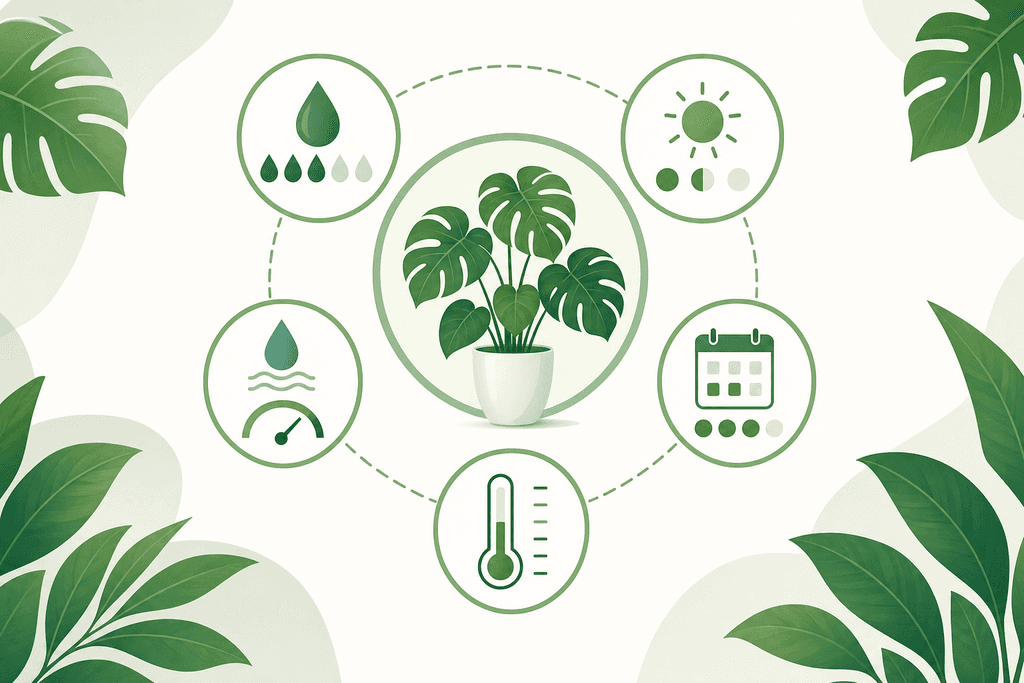
Watering becomes intuitive once you understand what each plant is telling you. Stick your finger about two inches into the soil, and if it feels dry, it's time to water. Monsteras prefer to dry out slightly between waterings, while philodendrons like their soil to stay just barely moist but never soggy.
| Care Aspect | Monstera Deliciosa | Philodendron Atabapoense |
|---|---|---|
| Watering | Every 7-10 days | Every 5-7 days |
| Light Needs | Bright indirect | Bright indirect |
| Humidity | 40-60% | 50-70% |
| Fertilizing | Monthly in spring/summer | Monthly in spring/summer |
Light requirements are pretty similar for both. They both want bright, indirect light, which usually means a spot near an east or west-facing window but not in direct sun. North-facing windows work too, though growth will be slower. Home offices with good natural light are perfect for either plant.
Humidity is where your dry apartment might need a little help. Most homes sit around 30-40% humidity, especially in winter when heating systems run constantly. A simple humidifier near your plants solves this, or you can group plants together to create a microclimate. The philodendron atabapoense appreciates higher humidity more than the monstera, but neither will die if you can't provide tropical rainforest conditions.
The mistakes that actually kill these plants:- Overwatering causes root rot faster than anything else
- Direct sunlight burns leaves and creates brown patches
- Letting soil stay bone dry for weeks stunts growth permanently
- Using heavy, compacted soil that doesn't drain well
- Placing plants near heating vents or cold drafts
Monthly fertilizing during spring and summer keeps both plants happy. Use a balanced liquid fertilizer diluted to half strength, and skip feeding entirely in fall and winter when growth naturally slows down.
Budget and Long-Term Investment
The upfront cost difference between these plants might surprise you. Our Philodendron atabapoense runs $38, while the Large Monstera deliciosa is priced at $83.25. That price gap reflects both size and availability, since the monstera you're getting is already a substantial statement plant. The philodendron is rarer and more sought-after by collectors, but you're starting with a smaller plant that'll need time to mature.
Ongoing costs add up differently depending on which plant you choose. Faster-growing monsteras need larger pots sooner, and those big pots aren't cheap. You'll also go through more potting mix with a plant that size. Climbing philodendrons need moss poles or trellises, which run anywhere from $15 to $40 depending on height and quality.
Budget breakdown for the first year:- Potting mix and drainage materials: $15-25
- Support structure (moss pole or stake): $15-40
- Fertilizer: $10-15
- Larger pot as plant grows: $20-50
- Optional humidifier: $30-60
Growth rate affects how quickly you get that impressive look you're after. The monstera gives you instant gratification since you're buying it already large with those characteristic split leaves. The philodendron atabapoense takes more patience, but watching those burgundy-backed leaves unfurl as it climbs is part of the appeal for plant enthusiasts.
Propagation potential is where things get interesting for your wallet. Both plants propagate easily from stem cuttings, which means you can create new plants to share with friends or trade in plant communities. Rare philodendrons like the atabapoense hold their value well in trading groups, and a healthy cutting can fetch $20-30 from other collectors. Monstera cuttings are easier to find but still popular for swaps.
Aesthetic Impact and Design Flexibility
The visual impact these plants create couldn't be more different. Monstera deliciosa brings bold, architectural drama with those massive split leaves that instantly say "tropical modern." It fits perfectly into boho spaces, minimalist Scandinavian rooms, and mid-century modern setups. The plant photographs beautifully for social media, which is partly why you see it everywhere on Instagram and Pinterest. Those fenestrations (the holes and splits in the leaves) create interesting shadows and patterns that designers love.
Philodendron atabapoense offers something more refined. The glossy deep green leaves paired with rich burgundy undersides add a sophisticated color contrast that works in spaces where you want elegance over bold statements. When light hits those leaves from behind, the burgundy glow is genuinely stunning.
Design considerations for each plant:- Monstera works as a floor plant that fills empty corners and anchors seating areas
- Philodendron atabapoense shines on plant stands or shelves where it can climb upward
- Leaf shape affects how each plant interacts with surrounding furniture and decor
- Color temperature matters: monstera's pure green suits cool-toned spaces, while philodendron's burgundy adds warmth
Room size plays a role in which plant looks proportional. A large monstera can overwhelm a tiny bedroom but looks perfect in a spacious living room with high ceilings. The climbing philodendron adapts better to smaller spaces since it grows up instead of out, making it ideal for home offices or cozy reading nooks.
Both plants pair well with natural materials like wood, rattan, and ceramic. The monstera's bold presence can stand alone as a focal point, while the philodendron atabapoense often looks best when it's part of a curated plant collection where its unique coloring can shine without competing for attention.
Making the Right Choice for Your Situation
Your living space and daily routine determine which plant will actually thrive in your home. A philodendron monstera plant choice isn't just about looks—it's about matching the plant's needs to what you can realistically provide. Small apartments under 500 square feet work better with climbing philodendrons like the Philodendron Atabapoense, which grows vertically on a moss pole instead of spreading horizontally. Monstera deliciosa needs at least 3-4 feet of floor space when mature, making it better suited for larger rooms or corners where it can spread out.
Light Conditions and Space Constraints
Philodendrons tolerate low-light conditions significantly better than monsteras. A philodendron will survive in north-facing windows or rooms with only artificial light, though growth slows down. Monsteras need bright indirect light to develop their signature leaf splits—without it, new leaves stay small and solid.
- Philodendrons adapt to offices with fluorescent lighting
- Monsteras require windows within 5-8 feet of the plant
- Both plants burn in direct afternoon sun
- Philodendrons maintain color in darker corners
Beginner Friendly Options
First-time plant owners have better success with monsteras because they communicate their needs clearly. Drooping leaves mean it needs water, and yellowing indicates overwatering. Philodendrons show stress more subtly through slower growth or smaller leaves.
| Factor | Philodendron | Monstera |
|---|---|---|
| Watering frequency | Every 7-10 days | Every 10-14 days |
| Neglect tolerance | Moderate | High |
| Growth speed | Slow to moderate | Fast |
Pet Safety and Lifestyle Factors
Both philodendron monstera plants contain calcium oxalate crystals that are toxic to cats and dogs. Neither plant is safe for homes with pets that chew on greenery, so placement on high shelves or in separate rooms is necessary. The Large Monstera Deliciosa works well as a floor plant in pet-free offices or bedrooms.
- Frequent travelers should choose monstera for its drought tolerance
- Home office backgrounds look better with monstera's larger, more recognizable leaves
- Philodendrons require less pruning and maintenance overall
- Monsteras need staking or support as they grow taller
Quick Decision Checklist
Use this checklist to identify which plant matches your actual living situation. Answer honestly about your space and habits rather than what you wish you could provide.
- Choose philodendron if you have limited floor space, lower light levels, or prefer slower growth
- Choose monstera if you want a statement plant, have bright indirect light, and don't mind frequent watering
- Choose philodendron if you travel often or forget to water plants regularly
- Choose monstera if you need a bold video call backdrop or want faster visible growth
- Avoid both plants if you have curious pets that chew on leaves
Your Next Green Addition Awaits
The choice between a philodendron monstera plant really comes down to your space and how much time you want to spend on care. Monstera deliciosa needs more room to spread out and show off those iconic split leaves, while philodendrons like the Philodendron atabapoense work better in tighter spots with their climbing habit. Both plants clean your air and add that jungle vibe to your apartment or home office. The good news is that neither choice is wrong, and starting with one doesn't mean you can't grab the other down the road.
Most first-time plant parents worry too much about picking the perfect plant. The truth is that taking action matters more than spending weeks researching every detail. Our Large Monstera Deliciosa gives you that statement piece look right away, while rare philodendrons offer something different that your friends probably don't have yet.
Runo Plants ships healthy, established plants that are ready to grow in your space. We're based in Homestead, Florida, where we grow and care for each plant before it reaches your door. If you're stuck between these two options or have questions about which one fits your lighting situation, you can reach our team at support@runoplants.com or call 7188440045.
The best plant for you is the one you'll actually bring home and care for. Both the philodendron monstera varieties we carry have proven track records with beginners and experienced plant parents alike. Still have questions about care requirements or specific growing conditions? The answers below cover the most common concerns we hear from customers every day.
Quick Answers to Common Questions
Choosing between a philodendron monstera plant can bring up a lot of questions, especially if you're new to the world of indoor plants. Both plants have their quirks and benefits, and understanding these differences helps you make the right choice for your home. Here are the answers to the most common questions people ask when deciding between these two popular houseplants.
Can I grow both plants in the same room?
Yes, you can absolutely grow both a philodendron and monstera in the same room since they have similar care requirements. Both plants enjoy bright, indirect light and similar humidity levels, making them great companions. Just make sure each plant has enough space to spread out as they mature, since both can get pretty large over time.
Which plant is truly easier for beginners?
Philodendrons generally have a slight edge for beginners because they're more forgiving with inconsistent watering and lower light conditions. The Philodendron Atabapoense is a great example of a stunning variety that's still manageable for newer plant parents. Monsteras are also beginner-friendly, but they can be a bit more particular about their light needs if you want those iconic splits to develop.
Are these plants safe around cats and dogs?
Unfortunately, both philodendron monstera plants are toxic to cats and dogs if ingested. They contain calcium oxalate crystals that can cause mouth irritation, drooling, and digestive upset in pets. If you have curious pets, it's best to keep these plants on high shelves or in rooms your furry friends can't access.
How long until I see the iconic split leaves on a monstera?
A young monstera typically starts developing splits (called fenestrations) after about two to three years of growth, though this can vary based on care conditions. The Large Monstera Deliciosa already features those beautiful splits, so you can enjoy the full effect right away. Better light, proper support for climbing, and consistent care will encourage faster fenestration development.
Can philodendrons develop splits like monsteras?
Most philodendron varieties don't develop the same dramatic splits as monsteras, though some species like Philodendron bipinnatifidum can have deeply lobed leaves. The leaf shape is actually one of the easiest ways to tell these plants apart. If you're specifically after those window-like holes and splits, a monstera is your best bet.
Which plant is better for low-light apartments?
Philodendrons adapt better to lower light conditions compared to monsteras, making them the smarter choice for apartments with limited natural light. While neither plant will thrive in complete darkness, philodendrons will maintain their health and continue growing slowly even in medium to low light. Monsteras really need that bright, indirect light to develop their signature splits and maintain vigorous growth.