

Clean Air Plants That Help Freshen Indoor Rooms
Aug 08, 2026
You probably think the air outside your apartment is dirtier than what you're breathing right now, but the EPA found that indoor air is actually 2 to 5 times more polluted than outdoor air. Your furniture, cleaning products, and even that new rug are quietly releasing invisible chemicals into every room. The good news is that a clean air plant like the Spider Plant from Runo Plants can naturally filter out these toxins while adding life to your space.
Why are spider plants good for beginners?
Spider plants are perfect for beginners because they tolerate irregular watering, adapt to low light conditions, and produce visible baby plantlets that indicate healthy growth. These resilient plants require minimal maintenance while effectively removing common indoor air pollutants like formaldehyde and xylene.
Which rooms should I put air purifying plants in?
Air purifying plants work best in bedrooms, bathrooms, and living rooms where people spend the most time and pollutant levels from furniture, cleaning products, and poor ventilation tend to be highest. Placing 2-3 medium-sized plants per 100 square feet of space maximizes air cleaning benefits.
How much do plants actually improve indoor air quality?
NASA research demonstrates that common houseplants remove up to 87% of air toxins within 24 hours, with plants filtering volatile organic compounds including benzene, formaldehyde, and trichloroethylene from indoor environments. A single potted plant can clean the air in approximately 100 square feet of space when properly maintained.
Table of Contents
The Science Behind Plant Air Purification
Back in 1989, NASA scientists were trying to figure out how to keep air clean inside space stations, and they stumbled onto something pretty amazing. They discovered that regular houseplants could actually remove harmful chemicals from the air, not just make oxygen. This wasn't just a small effect either – some plants could filter out up to 87% of air toxins in just 24 hours. The study tested dozens of common houseplants and ranked them based on how well they cleaned the air, and the results changed how we think about indoor plants forever.
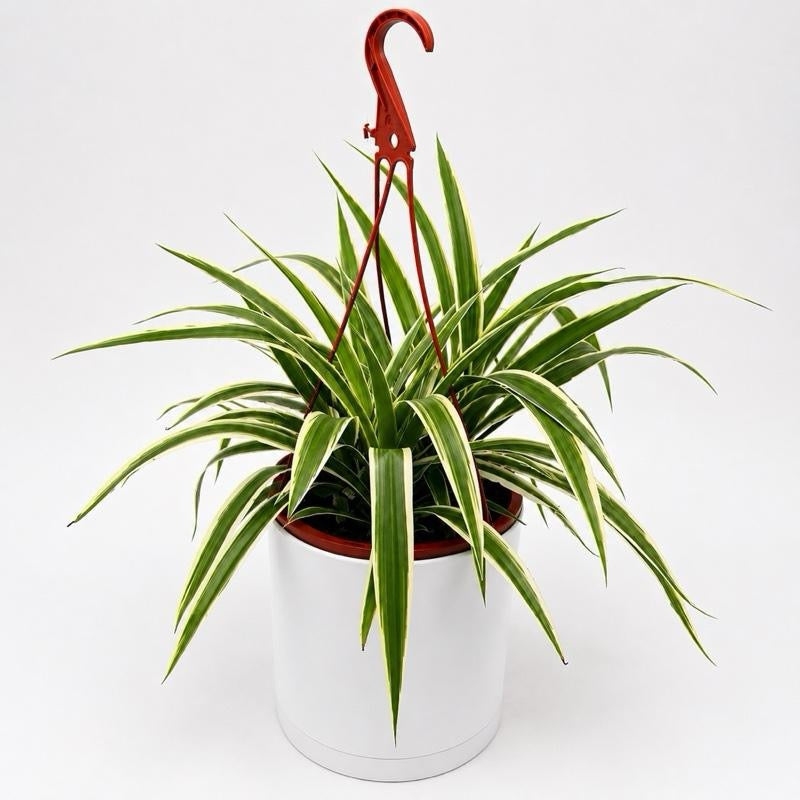
Chlorophytum Comosum (Spider Plant)
How Plants Actually Clean Your Air
Plants don't just sit there looking pretty. They're actually working hard to pull nasty chemicals right out of the air you breathe. The process happens in two main ways that work together like a team.
First, plant leaves absorb gases through tiny openings called stomata. Once inside, the plant breaks down these chemicals and either uses them for food or stores them safely. Second, the roots and soil around them act like a filter, trapping particles and breaking down toxins with helpful bacteria.
- Leaves pull in air pollutants through microscopic pores
- Plant tissues convert harmful chemicals into harmless compounds
- Root systems filter toxins through soil microorganisms
- The whole plant works as a natural air purification system
Common Toxins Lurking in Your Home
Your home probably has more air pollutants than you think. These chemicals come from everyday items you use without a second thought. Formaldehyde hides in furniture and paper products, while benzene shows up in plastics and synthetic fibers.
| Toxin | Common Sources | Health Effects |
|---|---|---|
| Formaldehyde | Furniture, paper bags, tissues | Irritation, headaches |
| Benzene | Plastics, detergents, dyes | Dizziness, drowsiness |
| Xylene | Paint, markers, adhesives | Confusion, breathing issues |
| Trichloroethylene | Cleaners, varnishes | Liver problems |
| Ammonia | Window cleaners, floor wax | Throat irritation |
Why Spider Plants Made the Top List
The NASA study didn't just test any random plants. They specifically looked for ones that could handle multiple types of toxins while being easy to keep alive. Spider plants came out as one of the top performers, especially good at removing formaldehyde and xylene from indoor air.
- Removes up to 95% of formaldehyde in sealed chambers
- Continues filtering air even in low light conditions
- Produces baby plants that add more cleaning power
The Chlorophytum comosum works around the clock, converting carbon dioxide to oxygen while simultaneously pulling toxins through its long, arching leaves. What makes it even better is that it actually gets more efficient at cleaning air the longer you have it, as the plant grows and produces more foliage.
Why Spider Plants Are Perfect for Beginners
Spider plants survive almost anything you throw at them, which makes them the ideal first houseplant for anyone living in a small apartment or working long hours. These plants don't demand perfect conditions or a strict watering schedule like some fussier varieties you might find at other plant retailers. They actually prefer a bit of neglect over constant attention, so forgetting to water for a week or two won't send them into a death spiral. The Chlorophytum comosum adapts to low light, bright light, and everything in between, making it nearly impossible to mess up placement in your home.
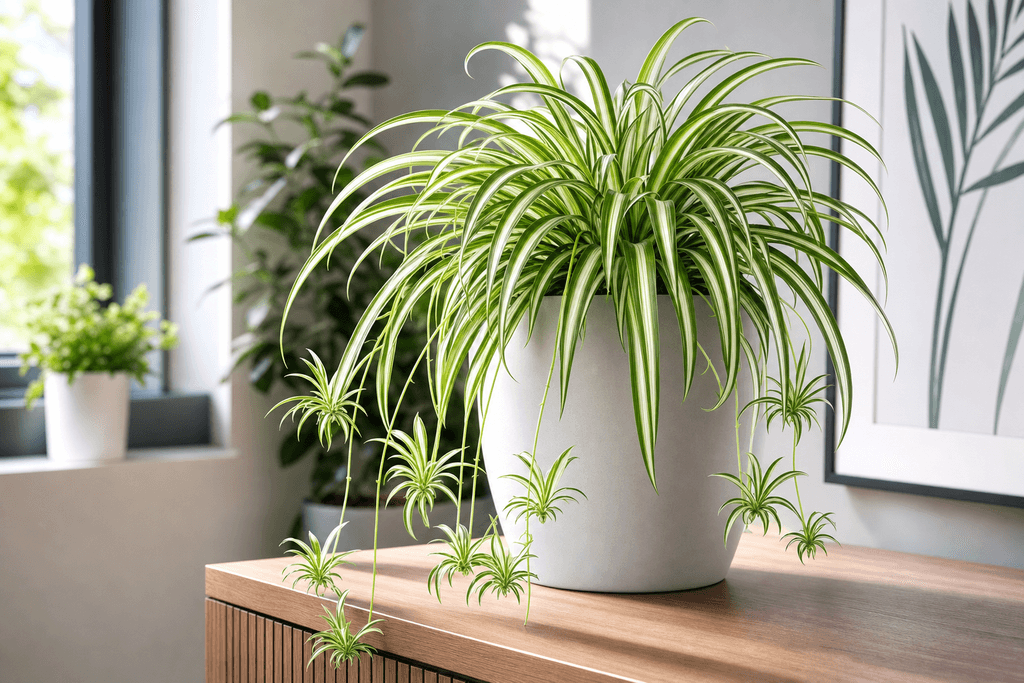
What really sets spider plants apart is their ability to clean your indoor air while looking good doing it. NASA research found that these plants remove formaldehyde, xylene, and toluene from indoor spaces, which are common chemicals released by furniture, paint, and electronics in your apartment.
The spider plant we offer at Runo Plants comes ready to start producing those characteristic baby plantlets that dangle from long stems. These "spiderettes" aren't just cute, they're free plants you can propagate and spread throughout your home or give to friends. Pet owners can relax knowing spider plants are completely non-toxic to cats and dogs, unlike many other houseplants that require careful placement away from curious pets.
- Survives in temperatures from 55-80°F, perfect for apartments with inconsistent heating
- Grows in low to bright indirect light, adapting to whatever windows you have
- Produces baby plants naturally, giving you more clean air coverage for free
- Costs just $45.00, making it an affordable entry into indoor gardening
- Safe around children and pets, no need to worry about toxic leaves
Best Rooms for Your Clean Air Plants
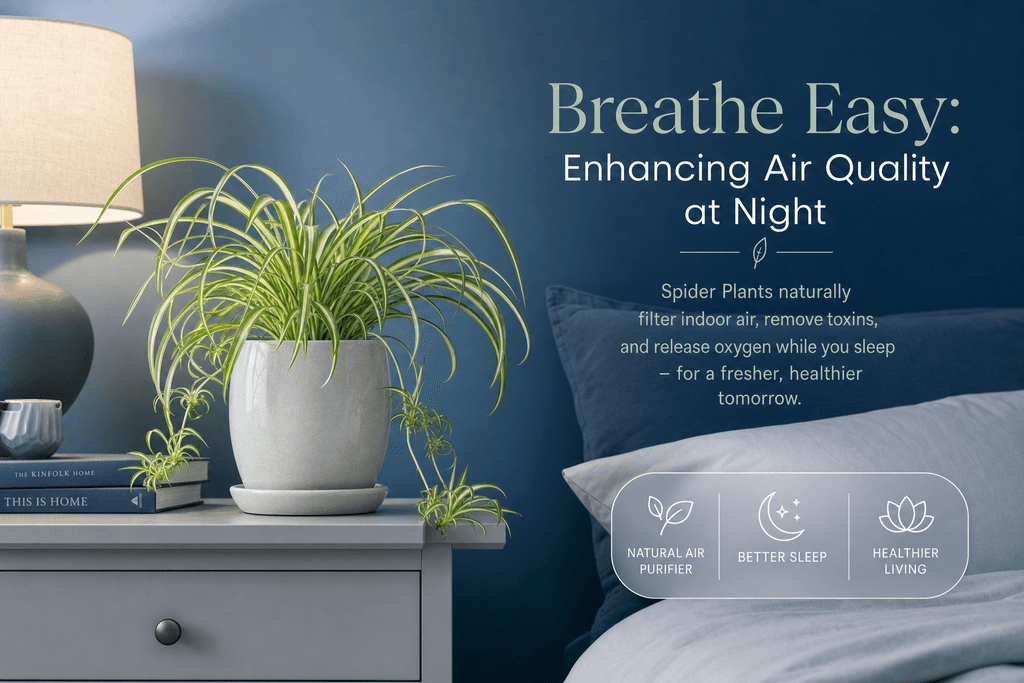
Your bedroom needs a spider plant more than you might think, especially if you work from home and spend most of your day indoors. Plants continue producing oxygen at night, and having one on your nightstand or dresser can improve air quality while you sleep. The formaldehyde removal becomes particularly important in bedrooms where pressed-wood furniture and mattresses often release this chemical for years after purchase. Spider plants thrive in the moderate light most bedrooms receive, and they don't mind the slightly cooler temperatures at night.
Home offices benefit massively from having a clean air plant within arm's reach of your desk. Your computer, printer, and other electronics release VOCs (volatile organic compounds) that build up in small spaces, leading to headaches and fatigue during long work sessions. Placing two to three spider plants in a standard home office creates noticeable air quality improvements.
| Room Type | Recommended Plants | Primary Benefit |
|---|---|---|
| Bedroom | 1-2 plants | Better sleep quality |
| Home Office | 2-3 plants | Reduces electronic VOCs |
| Living Room | 2-4 plants | High-traffic air cleaning |
| Bathroom | 1 plant | Loves humidity |
| Kitchen | 1-2 plants | Filters cooking fumes |
Bathrooms with windows make excellent homes for spider plants because they love the extra humidity from showers. The moisture in the air keeps their leaves looking vibrant without requiring you to mist them constantly. Kitchens also work well, particularly if you have a spot away from direct cooking heat but near a window where the plant can filter out cooking-related pollutants.
Simple Care Tips That Keep Plants Thriving
Spider plants need water about once a week during warmer months and every 10-14 days in winter, but the real trick is checking the soil first. Stick your finger about an inch into the soil, and if it feels dry, it's time to water. Overwatering kills more spider plants than underwatering, so when in doubt, wait another day or two. You'll know you've overdone it if the leaf tips turn brown and the soil stays soggy, while underwatered plants will have drooping leaves that perk up quickly after a drink.
Light requirements are flexible, but spider plants show their best colors in bright, indirect light near an east or west-facing window. They'll survive in lower light conditions, but growth slows down and variegation becomes less pronounced. Direct afternoon sun through south-facing windows can scorch the leaves, so keep them back a few feet or use a sheer curtain to filter the light.
- Water when top inch of soil is dry, usually weekly in summer
- Use room temperature water to avoid shocking the roots
- Place 3-5 feet from bright windows for optimal growth
- Maintain temperatures between 55-80°F, typical apartment range
- Fertilize monthly in spring and summer with diluted houseplant food
Temperature and humidity preferences align perfectly with typical apartment conditions, which is another reason these plants work so well for urban dwellers. They handle the dry air from heating systems better than tropical plants, though they appreciate the occasional shower spray to clean dust off their leaves. Fertilizing once a month during the growing season with a balanced liquid fertilizer diluted to half strength keeps them producing those baby plants.
Propagating the baby spiderettes gives you more air-purifying power throughout your home without spending extra money. Simply cut off a plantlet that has small root nubs forming, place it in water until roots grow to about two inches long, then pot it in fresh soil. The spider plant from Runo Plants will start producing these babies within a few months of settling into your space, giving you an endless supply of clean air plants to expand your collection or share with friends who need better indoor air quality.
Real Impact on Your Indoor Air Quality
NASA's famous 1989 study tested clean air plants in sealed chambers, but your living room isn't a sealed chamber. To see measurable air quality improvements in a typical 100-square-foot room, you need at least 10 medium-sized plants working together. Most people start with one or two plants and wonder why their air quality monitor shows no change. The truth is that plants do clean air, but the scale matters more than most sellers admit.
How Plants Stack Up Against Mechanical Purifiers
A single HEPA air purifier can filter an entire room's air four to five times per hour. Plants work much slower because they absorb pollutants through their leaves and soil at a gradual pace. The comparison isn't really fair since they work through completely different mechanisms.
| Feature | Clean Air Plants | HEPA Purifiers |
|---|---|---|
| Initial Cost | $45 per plant | $150-$400 |
| Monthly Operating Cost | $2-5 (water, soil) | $15-30 (electricity, filters) |
| Pollutants Removed | VOCs, formaldehyde, benzene | Particles, allergens, some VOCs |
| Time to Notice Results | 4-8 weeks | Hours to days |
| Noise Level | Silent | 25-60 decibels |
| Lifespan | Years with care | 5-10 years |
What Plants Actually Deliver Beyond Air Cleaning
Plants offer benefits that no mechanical device can match. They add humidity to dry indoor air, which helps during winter months when heating systems make rooms uncomfortably dry. Studies show that having plants in view reduces stress and improves focus, which is why offices and hospitals add greenery to their spaces.
- Increase indoor humidity by 5-10% through transpiration
- Reduce background noise by absorbing sound waves
- Lower stress levels and improve mood in occupied spaces
- Cost less over time with no filter replacements needed
Setting Realistic Expectations for Air Quality
You won't replace your ventilation system with a Chlorophytum comosum from our collection, but you will notice fresher air after about six weeks with proper plant density. The key is combining strategies rather than relying on plants alone.
- Use plants for continuous low-level VOC removal
- Run mechanical purifiers during high-pollution events
- Open windows when outdoor air quality permits
- Keep at least one plant per 100 square feet of space
The best approach treats clean air plants as part of a larger indoor air quality plan. They work quietly in the background while purifiers handle immediate needs and ventilation brings in fresh outdoor air when conditions allow.
Start Breathing Easier Today
Clean air plants work quietly in the background to filter toxins and freshen the air you breathe every day. They pull pollutants like formaldehyde and benzene out of your home while adding oxygen back in, which is especially helpful if you spend most of your time indoors. The best part is that you don't need a green thumb or a huge budget to get started. Even one or two plants can make a noticeable difference in how your space feels.
Spider plants are probably the easiest clean air plant to begin with because they survive almost anything. They handle low light, irregular watering, and dry air without much complaint. Our Chlorophytum comosum (Spider Plant) comes ready to start cleaning your air right away, and it'll even grow baby plants you can share with friends or spread around your apartment.
You don't have to turn your living room into a jungle overnight. Start with one plant on your desk or bedside table and see how it goes. Once you get comfortable with the routine, adding more becomes second nature.
The air inside most homes is actually more polluted than the air outside, but that's something you can change pretty easily. A few well-placed plants create a healthier space where you can actually feel the difference when you walk in the door.
Common Questions About Clean Air Plants
Getting started with air-purifying plants brings up a lot of questions, especially if you're new to indoor gardening. Most people wonder about the practical stuff like how many plants they actually need or whether their pets will be safe around them. These are smart questions to ask before you bring any clean air plant into your home, and the answers might surprise you with how simple plant care can actually be.
How many plants do I need for one room?
You'll want about two to three medium-sized plants per 100 square feet of space to notice a real difference in air quality. A single Chlorophytum comosum (Spider Plant) works great for smaller rooms like bathrooms or home offices. The more plants you add, the better your air gets, but even starting with one is better than none.
Are spider plants really safe for pets?
Yes, spider plants are completely non-toxic to cats and dogs, which makes them perfect if you have curious pets at home. Your cat might still try to nibble on the long leaves because they look like toys, but it won't harm them. This is one reason why spider plants are recommended more often than other clean air plant options you might find at places like bloomscape.com or thesill.com that sell toxic varieties.
How long before I notice cleaner air?
Most people don't "feel" cleaner air right away, but studies show plants start filtering toxins within 24 hours of being placed in a room. You might notice less stuffiness or fewer headaches after a few weeks. The real benefits build up over time as your clean air plant grows bigger and produces more leaves to filter your indoor air.
Can I grow spider plants in low light?
Spider plants tolerate low light better than most houseplants, though they grow faster and produce more baby plantlets in bright, indirect light. A room with a north-facing window or even just fluorescent office lighting works fine. They're much more forgiving than the fussy plants some competitors promote that need perfect conditions.
What if I forget to water them?
Spider plants store water in their thick roots, so they can handle a missed watering or two without dying on you. You'll notice the leaves might droop a bit when they're thirsty, which gives you a clear signal before any real damage happens. Just water them when the top inch of soil feels dry, and they'll bounce right back.
Do they attract bugs or cause allergies?
Spider plants don't attract bugs any more than other houseplants, and they actually help reduce airborne allergens by filtering dust and mold spores. The only time you might see pests is if the soil stays too wet, which can attract fungus gnats. Keep the soil on the drier side between waterings, and you won't have any problems with your clean air plant becoming a bug magnet.