

Easy Indoor Plants That Thrive in Minimal Light
Aug 03, 2026
You stare at that dim corner by your bookshelf and assume nothing green could ever survive there. The truth is, indoor plants minimal light conditions actually mirror the natural habitat of dozens of beautiful houseplants that evolved on shaded forest floors. At Runo Plants, we've seen countless apartment dwellers transform their darkest spaces into thriving green corners once they discover which plants are built for low-light life.
What does minimal light mean for indoor plants?
Minimal light for indoor plants means areas that receive 25 to 75 foot-candles of light, typically found 8 to 10 feet away from windows or in rooms with north-facing windows. These spaces allow plants to photosynthesize at reduced rates but still sustain growth without direct sunlight exposure.
Which indoor plants survive best in low light conditions?
Snake plants (Sansevieria), pothos (Epipremnum aureum), ZZ plants (Zamioculcas zamiifolia), and cast iron plants (Aspidistra elatior) survive best in low light conditions, tolerating as little as 25 foot-candles while maintaining healthy growth. These species evolved as understory plants in tropical forests, making them naturally adapted to minimal light environments.
How often should you water low-light indoor plants?
Low-light indoor plants require watering every 10 to 14 days, significantly less frequently than plants in bright conditions, because reduced photosynthesis slows their water consumption and metabolism. Overwatering is the primary cause of death for low-light plants, as their slower growth rate means soil stays moist longer.
Table of Contents
Understanding What Minimal Light Really Means
Most people think their home is darker than it actually is, which leads to a lot of confusion when shopping for indoor plants minimal light conditions. The truth is that what plant experts call "low light" is probably brighter than you'd guess. Understanding these differences can save you from buying the wrong plant and watching it slowly decline. At Runo Plants, we help customers figure out their actual light conditions before they choose their new green friends.
Breaking Down the Light Levels
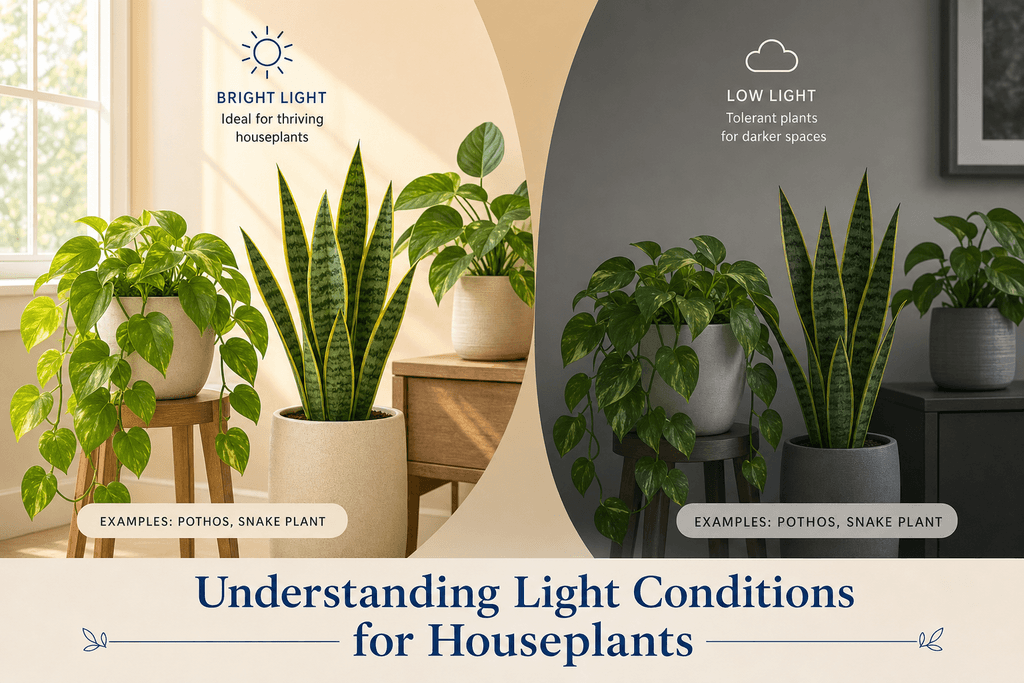
Light levels aren't as complicated as they sound once you know what to look for. Bright light means your plant sits within a few feet of a window where direct sun might hit it for at least part of the day. Medium light is when you can comfortably read a book without turning on a lamp during daytime hours. Low light is trickier because it's still enough light for you to see clearly, but a regular book would be hard to read without straining your eyes.
Here's what each light level actually looks like in your home:
- Bright light areas get direct sun through windows for several hours
- Medium light spaces are well-lit but don't get direct sun beams
- Low light spots are away from windows but still naturally lit during the day
- Minimal light zones might only get reflected or artificial light most of the time
Measuring Light Without Fancy Tools
You don't need expensive equipment to figure out your light situation. The shadow test works great for most people and takes about two seconds. Hold your hand about a foot above a white surface during the middle of the day and look at the shadow it creates.
- Sharp, dark shadow means bright light
- Soft but visible shadow indicates medium light
- Barely visible or no shadow shows low to minimal light
Another simple trick is the reading test. If you can read normal-sized text on your phone without the backlight at noon, you've got at least medium light. Spaces where you need your phone's brightness turned up are definitely in the low to minimal range.
Where Minimal Light Hiding Spots Exist
Every home has these darker corners that seem perfect for a plant but make you worry. Bathrooms without windows, hallways, north-facing rooms, and corners far from windows are the usual suspects. Office spaces with only fluorescent lighting also count as minimal light areas, even though they feel bright enough for working.
Common indoor plant minimal light locations include:
- Bathrooms with small or no windows
- Interior hallways and entryways
- Corners of rooms more than 8 feet from windows
- Basements with limited natural light access
- Offices relying mainly on artificial lighting
Why Some Plants Actually Prefer the Shade
Not all plants evolved under the bright tropical sun that most people imagine. Many popular houseplants originally grew on forest floors where tall trees blocked most of the sunlight. These plants developed the ability to photosynthesize efficiently with whatever dim, filtered light made it through the canopy above them. Their leaves are often darker green because they pack in more chlorophyll to capture every bit of available light.
This is why certain plants don't just tolerate low light but actually do better in it. Too much sun can burn their leaves or cause them to lose their deep coloring. Understanding this background helps explain why your snake plant looks happier in that dim corner than it did on your sunny windowsill.
Quick Reference Light Level Guide
| Light Level | Distance from Window | Shadow Test Result | Can Read Without Lamp? |
|---|---|---|---|
| Bright Light | 0-3 feet | Sharp, dark shadow | Yes, easily |
| Medium Light | 3-6 feet | Soft, visible shadow | Yes, comfortably |
| Low Light | 6-10 feet | Faint shadow | With some difficulty |
| Minimal Light | 10+ feet or no window | No visible shadow | No, need extra light |
Now that you know how to identify your actual light conditions, you can make smarter choices about which plants will actually survive in your space. The good news is that plenty of beautiful options exist for even the darkest corners of your home.
Top Low-Light Champions for Your Space
Most apartments and offices don't get the bright, direct sunlight that many plants crave, but that doesn't mean you have to live without greenery. Some indoor plants actually prefer dim corners and north-facing windows, making them perfect for spaces where the sun barely reaches. These low-light champions have adapted to thrive under forest canopies in nature, so your bathroom or hallway feels like home to them. The best part is that many of these plants are nearly impossible to kill, even if you forget about them for a week or two.
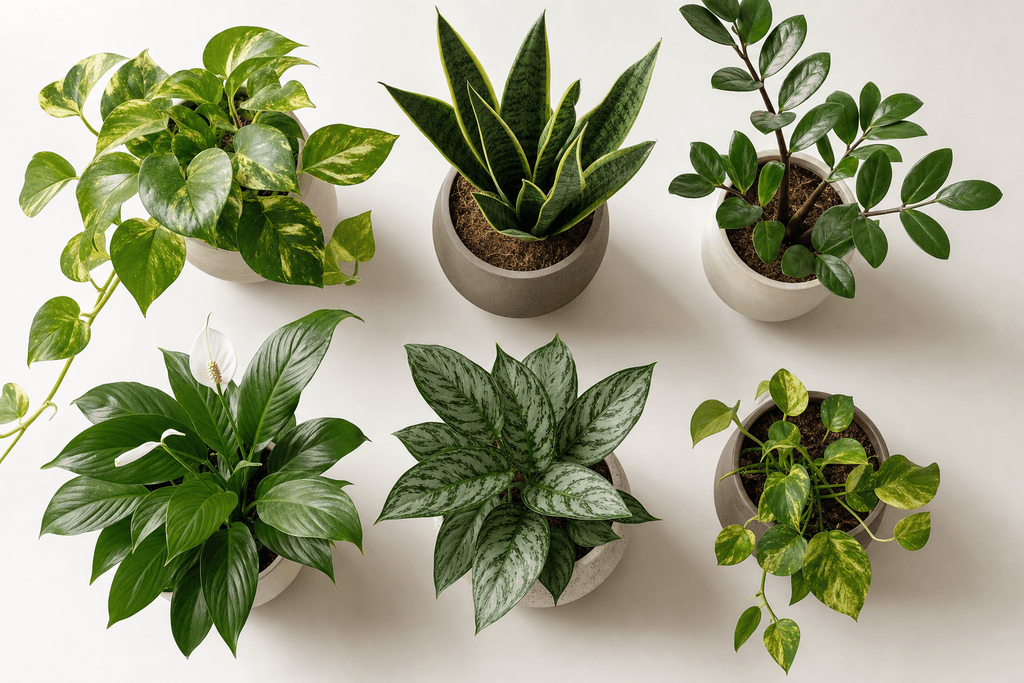
Pothos varieties top the list for anyone new to indoor plants. These trailing vines grow in almost any light condition and will tell you exactly what they need through their leaves. Golden pothos, marble queen, and jade pothos all handle minimal light beautifully, though their variegation might fade a bit in darker spots.
- Snake plants clean your air while you sleep, releasing oxygen at night unlike most plants
- ZZ plants can go three weeks without water and still look glossy and green
- Peace lilies produce white blooms even in low light, though they'll flower more in brighter spots
- Cast iron plants survive neglect, temperature swings, and dark corners without complaint
- Chinese evergreens come in stunning pink, red, and silver patterns that brighten dim rooms
The ZZ plant deserves special mention for home offices and bedrooms. Its thick, waxy leaves store water like a camel stores fat, which means you can travel for weeks without worrying about it. We grow several varieties at our South Florida greenhouses, and they're consistently the most forgiving plants we ship nationwide.
| Plant | Care Level | Water Needs | Special Feature |
|---|---|---|---|
| Pothos | Easy | Weekly | Trails beautifully |
| Snake Plant | Very Easy | Bi-weekly | Air purifying |
| ZZ Plant | Very Easy | Every 3 weeks | Drought tolerant |
| Peace Lily | Easy | Weekly | Blooms indoors |
| Cast Iron Plant | Very Easy | Bi-weekly | Extremely hardy |
| Chinese Evergreen | Easy | Weekly | Colorful foliage |
Caring for Plants in Low Light Conditions
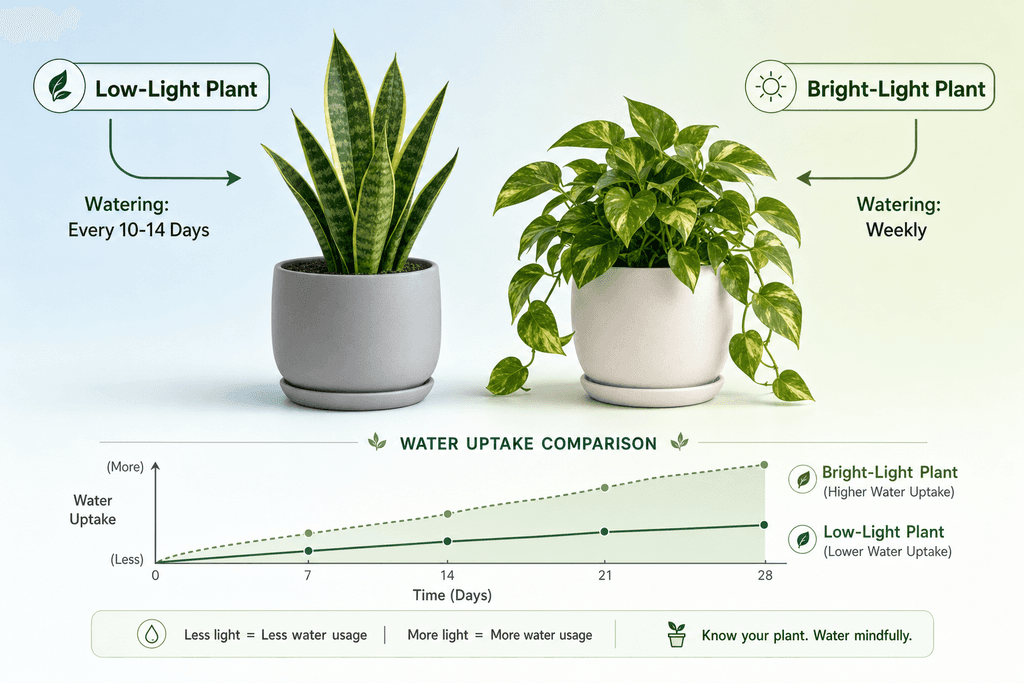
Plants growing in minimal light use less energy, which means they need less of everything compared to their sun-loving cousins. The biggest mistake people make is watering low-light plants on the same schedule as plants in bright windows. When a plant isn't photosynthesizing much, it's not drinking much either, and wet soil in dim conditions is a recipe for root rot. Most indoor plant minimal light situations call for watering every 10 to 14 days, not weekly.
Fertilizer schedules need adjustment too. A plant in low light grows slowly, so feeding it every two weeks like the bottle suggests will just build up salts in the soil. Cut your fertilizing to once every six to eight weeks during spring and summer, and skip it entirely in winter.
- Yellow lower leaves usually mean overwatering, not lack of light
- Leggy, stretched growth means the plant needs more light
- Brown crispy tips often indicate low humidity or fluoride in tap water
- Pale new growth that's smaller than old leaves signals insufficient light
Rotating your plants a quarter turn every time you water keeps them growing evenly instead of leaning toward the nearest window. This simple habit prevents that lopsided look that happens when one side gets all the available light.
Dust is the enemy of indoor plants minimal light. A layer of dust on leaves blocks whatever light is available, so wiping them down monthly with a damp cloth makes a real difference. For plants with lots of small leaves, a lukewarm shower works better than hand-wiping each one.
Grow lights become worth considering if your plants stop growing entirely or start dropping leaves. A small LED grow light doesn't need to be expensive or complicated, just something that adds a few hours of light during the darkest winter months.
Setting Up Your Low Light Plant Space
The best spots for low-light plants aren't always where you'd expect. Bathrooms with small windows work great because the humidity from showers mimics tropical conditions. Hallways, entryways, and corners opposite windows all provide the dim, indirect light these plants prefer. Home offices with north-facing windows are perfect, and you'll appreciate the air-cleaning benefits during long work days.
Pot selection matters more in low light than bright light. Without strong sun to dry out soil, drainage becomes critical. Always use pots with drainage holes, and don't size up too much when repotting. A pot that's one to two inches larger in diameter than the current one is plenty.
- Terracotta pots wick moisture away from roots, preventing overwatering
- Ceramic pots with drainage work well and come in styles that match any decor
- Plastic nursery pots inside decorative covers let you check soil moisture easily
Soil for low-light plants should drain faster than regular potting mix. Adding perlite or orchid bark to standard potting soil creates air pockets that prevent the soggy conditions that lead to root problems. At Runo Plants, we pot our low-light varieties in a custom blend that stays airy even when watering is inconsistent.
Grouping plants together creates a microclimate where they share humidity through transpiration. Three or four plants clustered on a shelf or plant stand will stay healthier than the same plants spread throughout a room. This trick works especially well for peace lilies and Chinese evergreens that appreciate moisture in the air.
Light-colored walls and strategically placed mirrors can nearly double the available light in a dim room. A mirror behind a plant reflects light back onto the leaves, and white or cream walls bounce more light around than dark colors. These small changes help without requiring any electrical work or new windows.
Pet owners need to know that pothos, peace lilies, and Chinese evergreens are toxic to cats and dogs if chewed. Snake plants and ZZ plants also cause stomach upset in pets. Cast iron plants are one of the few truly pet-safe options for low light, along with certain ferns and spider plants that tolerate dimmer conditions reasonably well.
Why Low-Light Plants Are Perfect for Modern Living
About 82% of Americans now live in urban areas where natural light is often limited by tall buildings, small windows, and north-facing apartments. This reality makes indoor plants minimal light varieties the most practical choice for city dwellers who still want to enjoy greenery in their homes. Low-light plants require less daily attention than their sun-loving counterparts, which means you can travel for work or take weekend trips without worrying about your plants dying. The flexibility these plants offer changes how people think about decorating darker corners, hallways, and interior rooms that never see direct sunlight.
Practical Benefits for Busy Schedules
Indoor plants minimal light needs align perfectly with the reality of modern work schedules and lifestyle demands. Most low-light varieties need watering only once every 7-10 days, compared to sun-loving plants that may need attention every 2-3 days.
- Less frequent watering schedules fit around travel and long work hours
- Slower growth rates mean less pruning and repotting maintenance
- More forgiving of missed care days without showing stress signs
- No need to rotate plants regularly for even light exposure
| Living Situation | Low-Light Advantage |
|---|---|
| Studio apartments | Limited window space |
| Basement offices | No natural light needed |
| Interior bedrooms | Thrive in dim conditions |
| Rental units | No modifications required |
Cost Savings and Placement Flexibility
Low-light plants eliminate the need for expensive grow lights, which can add $50-200 to your initial setup costs plus ongoing electricity expenses. Renters especially benefit since they can't always install additional lighting or modify window treatments without landlord approval.
- Place plants anywhere without considering light intensity zones
- Decorate bathrooms, closets, and hallways previously off-limits
- Create green spaces in home offices with minimal windows
- Fill bedroom corners for better air quality during sleep
At Runo Plants, we source our low-light varieties directly from our South Florida greenhouses where they're acclimated to indoor conditions before shipping. This means the plants you receive are already adjusted to lower light levels, unlike many competitors who source from wholesale growers where plants sit under bright greenhouse lights until the day they ship.
The average American spends 90% of their time indoors, making indoor air quality a real concern that low-light plants can help address. These plants work quietly in corners and on shelves, filtering air and adding humidity without demanding prime real estate near your limited window space.
Your Low-Light Plant Journey Starts Here
Minimal light doesn't mean you have to give up on having plants in your home. You just need to pick the right ones that actually like those shadowy corners and dim hallways. The plants we covered can handle low light conditions without turning brown or dropping leaves every other day. They're built for it.
Start with just one or two easy varieties if you're new to this. A pothos or snake plant makes sense because they basically tell you when something's wrong and bounce back fast. You don't need to fill every room right away.
At Runo Plants, we grow these indoor plants minimal light varieties in our South Florida greenhouses and ship them nationwide with care instructions that actually make sense. We're not just dropping a plant at your door and hoping for the best. Our team answers questions about watering schedules, pot sizes, and whether that brown leaf means disaster or just normal plant stuff.
Low-light plants are more forgiving than most people think. They grow slower, need less water, and don't throw fits if you forget about them for a week. That makes them perfect for learning how plants actually work without killing five of them first.
The trick is matching the plant to your actual light situation, not the light you wish you had. Once you figure that out, keeping indoor plants minimal light happy becomes pretty straightforward. You might even find yourself looking for more dark spots to fill.
Common Questions About Low-Light Plants
Growing indoor plants minimal light situations can feel confusing at first, especially when you're not sure what's normal and what's a problem. These are the questions we hear most often from people trying to keep plants alive in darker spaces. The good news is that most low-light plant care is actually simpler than you might think, and once you understand the basics, you'll feel a lot more confident about your plant choices.
Can plants really survive with no windows?
Yes, but only with artificial light to supplement what they're missing. No plant can survive in complete darkness because they all need some light for photosynthesis. If your room has zero natural light, you'll need to add a grow light or keep it on for at least 8-12 hours daily. Plants like pothos and snake plants can handle this setup pretty well as long as they get consistent artificial light.
How often should I water low-light plants?
Low-light plants need water less frequently than plants in bright spots because they're not photosynthesizing as much. Most indoor plants minimal light conditions do well with watering every 10-14 days, but always check the soil first. Stick your finger about two inches down, and if it feels dry, it's time to water. Overwatering kills more low-light plants than anything else because the soil stays wet longer in darker areas.
Will my plant grow in a bathroom with no window?
It depends on how often you use the bathroom light and what plant you choose. If you run the light for several hours daily, certain plants like pothos or ZZ plants can actually do okay in a windowless bathroom. The humidity from showers is a bonus that many tropical plants love. Just remember that growth will be slower than in a room with natural light.
Do low-light plants need fertilizer?
Yes, but much less than plants in brighter conditions. Since low-light plants grow slower, they use fewer nutrients. Fertilize about once every 2-3 months during spring and summer with a diluted liquid fertilizer. Skip fertilizing completely in fall and winter when most plants go dormant. At Runo Plants, we always recommend starting with half the fertilizer strength listed on the package for plants in darker spots.
Can I use regular LED bulbs as grow lights?
Regular LED bulbs can help, but they're not as effective as actual grow lights. Standard LEDs don't provide the full spectrum of light that plants need for healthy growth. If you're on a budget, a regular LED is better than nothing for very tolerant plants like snake plants. For better results though, invest in an actual grow light bulb that provides both blue and red spectrum light.
How do I know if my plant needs more light?
Your plant will tell you through several signs. Look for leggy growth where stems stretch out with lots of space between leaves, or leaves that turn pale and lose their color. New leaves that come in smaller than old ones are another red flag. If your plant stops growing completely during spring and summer, it probably needs a brighter spot or supplemental lighting to stay healthy.