

Pet-Safe Plants for Cats and Cat-Friendly Indoor Homes
Aug 01, 2026
Your cat will chew on about 70% of the houseplants in your home, either out of boredom or pure curiosity. The problem is that many of the most popular indoor plants can make your feline friend seriously sick, leaving plant-loving cat owners stuck between their two passions. The good news is that cat safe plants exist that look beautiful, thrive indoors, and won't harm your pet even if they decide to take a nibble.
What plants are safe for cats to be around?
Spider plants, prayer plants, Money tree, areca palms, and catnip are completely safe for cats and pose no toxicity risk if chewed or ingested. These plants can be kept in homes with cats without concern for poisoning or adverse health effects.
Why do cats eat houseplants?
Cats eat houseplants primarily to aid digestion, obtain folic acid, and relieve stomach discomfort by inducing vomiting to expel hairballs. This instinctive behavior mimics their wild ancestors who consumed grass and vegetation for digestive health benefits.
What common houseplants are toxic to cats?
Lilies, pothos, philodendrons, sago palms, and dieffenbachia are highly toxic to cats and can cause severe kidney failure, oral irritation, vomiting, and potentially fatal reactions if ingested. Even small amounts of these plants require immediate veterinary attention.
Table of Contents
Why Cats Love Munching on Your Greenery
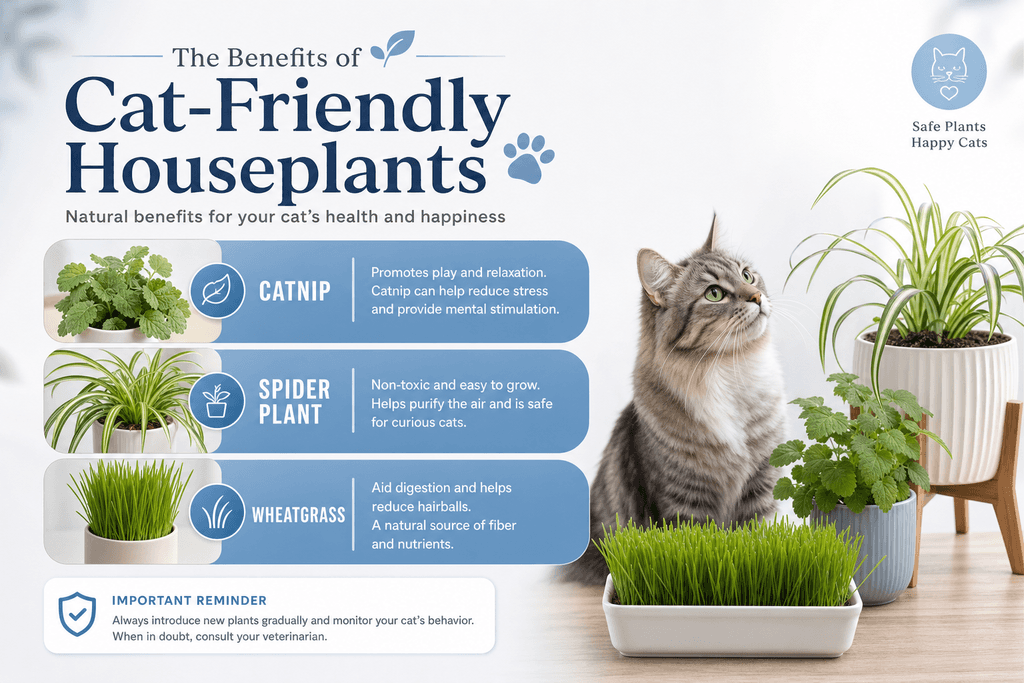
Cats have been eating plants for thousands of years, long before they became our couch-dwelling companions. This behavior isn't just random or meant to annoy you when they knock over your favorite potted plant. Wild cats naturally seek out grass and other greenery to help with digestion, get rid of hairballs, and add nutrients their regular diet might be missing. Your indoor cat still has these same instincts, which is why they can't resist nibbling on your cat safe indoor plants even when they have a full food bowl.
What Drives Cats to Eat Plants
Understanding why your cat treats your plants like a salad bar helps you create a safer home. Cats aren't trying to be destructive when they munch on leaves.
- Plant fiber helps cats pass hairballs through their digestive system more easily
- Some plants contain folic acid and other vitamins that support cat health
- Eating grass or leaves can help cats vomit up things that upset their stomach
- Young cats explore their world through taste, just like human babies
- Boredom or lack of stimulation can lead to more plant chewing
At Runo Plants, we often hear from customers who want to keep both their cat safe indoor plants and their curious cats happy. The good news is that you don't have to choose between having a green home and keeping your pet safe.
Recognizing Plant Poisoning Symptoms
Knowing the difference between a mildly upset stomach and serious poisoning can save your cat's life. Not all plants cause the same reactions, and some symptoms show up right away while others take hours to appear.
| Symptom Type | Mild Reaction | Serious Poisoning |
|---|---|---|
| Digestive Issues | Minor drooling, soft stool | Excessive vomiting, diarrhea |
| Behavior Changes | Slight irritation, pawing at mouth | Extreme lethargy, hiding |
| Physical Signs | Mild mouth irritation | Difficulty breathing, seizures |
| Timeline | Resolves within hours | Worsens over time |
| Action Needed | Monitor closely | Emergency vet visit |
Toxic Versus Safe Plant Reactions
The plant world isn't black and white when it comes to cat safety. Some cat friendly plants might cause a little tummy trouble but nothing serious, while others can lead to kidney failure or worse.
- Mildly irritating plants cause temporary discomfort like mouth tingling or upset stomach
- Seriously toxic plants contain compounds that damage organs or the nervous system
- The amount eaten matters - a tiny nibble versus eating several leaves makes a difference
- Individual cats react differently based on size, age, and overall health
Creating a home filled with cat safe indoor plants means understanding these differences. You want plants that won't send you rushing to the emergency vet at 2 AM because your cat decided to have a midnight snack. Many popular houseplants sold at big retailers like Costa Farms or The Sill come with minimal pet safety information, leaving cat owners guessing about which plants are truly safe.
Top Cat Safe Indoor Plants You Can Buy Today
About 30% of cats will chew on houseplants at some point in their lives, which means choosing the right greenery matters more than you might think. The good news is that plenty of beautiful, easy-care plants are completely safe for your curious feline friends. These cat safe indoor plants let you enjoy a green home without worrying every time your cat gets a little too interested in your plant collection. Whether you're setting up your first apartment jungle or adding to an existing collection, knowing which plants are truly pet-friendly saves you stress and keeps your cats healthy.
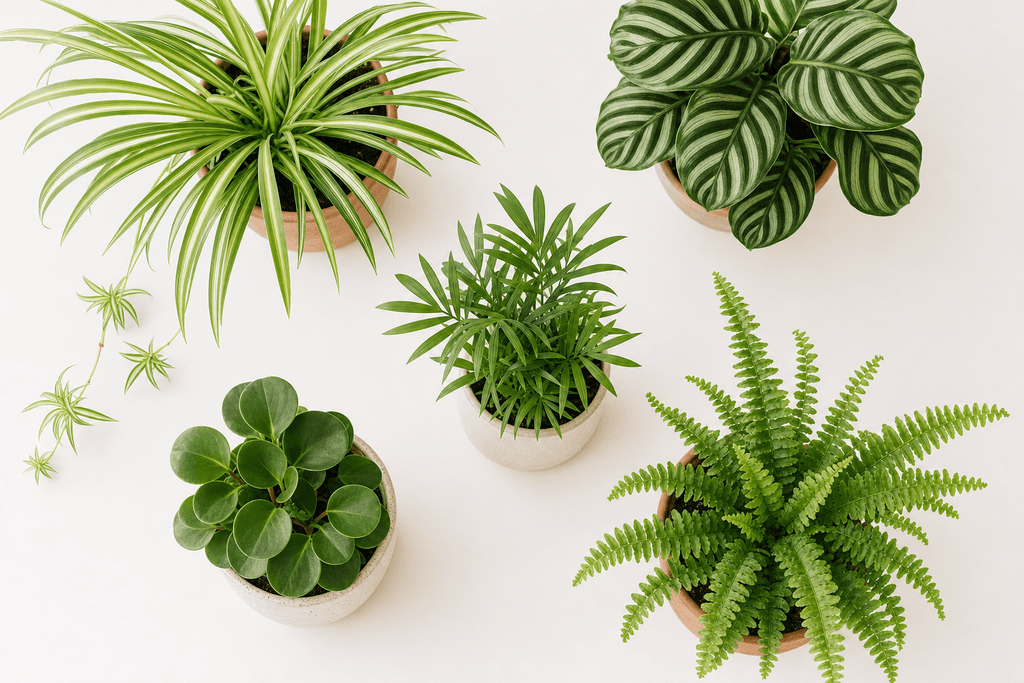
Spider plants are the ultimate beginner-friendly option because they tolerate neglect, grow quickly, and pose zero threat to cats. In fact, some cats are attracted to spider plants because they contain compounds similar to catnip, but even if your cat munches on the leaves, there's no danger involved. These plants thrive in bright indirect light and only need watering when the soil dries out.
- Calatheas and prayer plants bring stunning leaf patterns with stripes, spots, and colors that rival any toxic plant
- Parlor palms and areca palms create that tropical feel without the worry, growing slowly and tolerating lower light
- Boston ferns and bird's nest ferns add texture and fullness to any room while staying completely cat-approved
- Peperomias come in over a thousand varieties with different leaf shapes, colors, and growth patterns
- African violets provide actual flowers in purple, pink, and white shades without any toxicity concerns
The variety of cat safe indoor plant options means you don't have to sacrifice style for safety. At Runo Plants, we grow many of these pet-friendly varieties in our South Florida greenhouses and can help you pick the right ones for your light conditions and experience level.
| Plant Name | Light Needs | Water Frequency | Difficulty |
|---|---|---|---|
| Spider Plant | Bright indirect | Weekly | Easy |
| Calathea | Medium to low | Twice weekly | Moderate |
| Parlor Palm | Low to medium | Weekly | Easy |
| Boston Fern | Bright indirect | Every 3-4 days | Moderate |
| Peperomia | Bright indirect | Every 7-10 days | Easy |
| African Violet | Bright indirect | Twice weekly | Easy |
Dangerous Plants to Keep Away from Cats
Some of the most popular houseplants sold online and in stores are actually toxic to cats, and many plant parents don't find out until it's too late. The tricky part is that these dangerous plants often look similar to safe ones, and they're everywhere because they're easy to grow and ship well. Understanding which common plants pose real risks helps you make better choices when shopping for new greenery. The symptoms of plant poisoning in cats range from mild stomach upset to serious organ damage, depending on what they eat and how much.
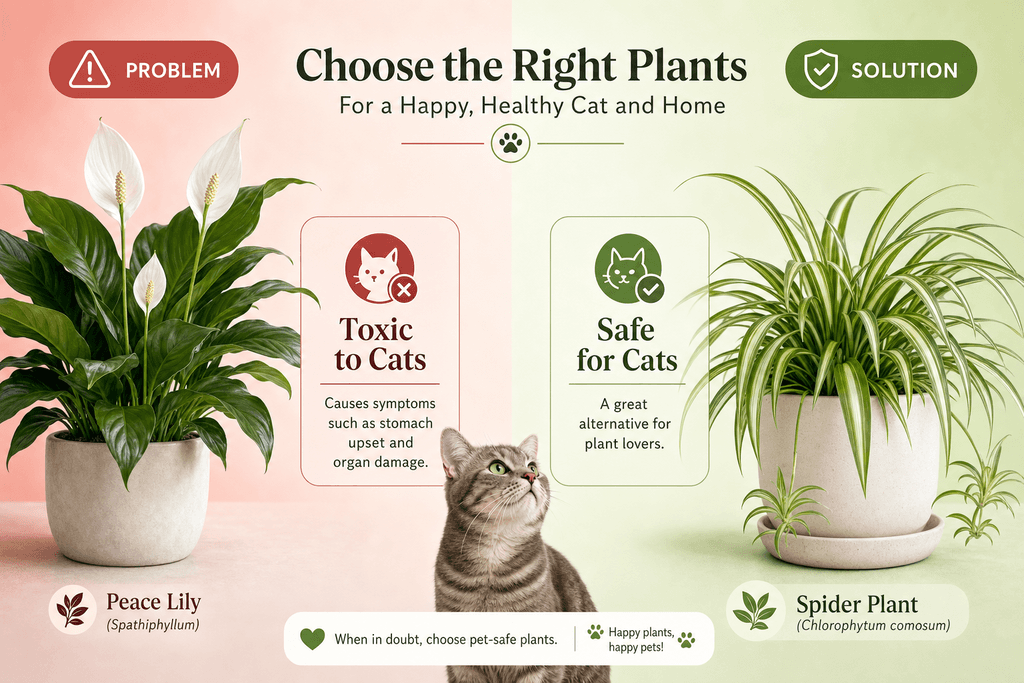
Pothos and philodendrons top the list of toxic but extremely common houseplants because they contain calcium oxalate crystals that cause immediate mouth pain, drooling, and swelling. These plants are sold by nearly every nursery and big box store, which makes them a hidden danger in many homes.
| Toxic Plant | Toxicity Level | Main Symptoms |
|---|---|---|
| Lilies | Severe/Fatal | Kidney failure |
| Pothos | Moderate | Mouth irritation, vomiting |
| Snake Plant | Moderate | Nausea, vomiting |
| Monstera | Moderate | Oral swelling, drooling |
| Sago Palm | Severe/Fatal | Liver failure |
| ZZ Plant | Moderate | Stomach upset |
Lilies deserve special attention because even small amounts can be deadly to cats. Just licking pollen off their fur or drinking water from a vase with lilies can cause complete kidney failure. Snake plants and ZZ plants contain saponins that cause nausea and digestive problems, while monstera deliciosa has the same calcium oxalate crystals as pothos.
Sago palms are particularly dangerous because all parts of the plant are toxic, and eating even a small amount can lead to liver failure and death. If you already own any of these plants, the safest choice is to rehome them or keep them in a room your cat never enters. Check the undersides of leaves and look up the botanical name of any plant you're unsure about, since common names can be misleading.
Smart Ways to Cat Proof Your Plant Collection
You don't have to choose between being a plant parent and a cat parent if you set up your space thoughtfully. The key is understanding why cats go after plants in the first place, which usually comes down to boredom, curiosity, or a need for greens in their diet. Creating a cat-friendly environment with strategic plant placement and alternatives keeps everyone happy. Most cats can be trained or redirected away from plants with consistent effort, though some determined felines need more creative solutions.
High shelves and hanging planters put cat friendly plants out of reach while still letting you enjoy them visually. Wall-mounted shelves work better than bookcases because cats can't use them as climbing structures to reach your plants.
- Place plants on floating shelves at least five feet high where cats can't jump
- Use macrame hangers or ceiling hooks for trailing plants in high-traffic areas
- Create a dedicated cat zone with cat grass, catnip, and spider plants they can safely nibble
- Apply citrus-scented sprays around plant bases since most cats dislike the smell
- Put textured mats or aluminum foil around pots to make the area less appealing
- Redirect attention with interactive toys and regular play sessions
Growing cat grass in a designated spot gives your cat something appropriate to chew on and often reduces their interest in other plants. You can buy cat grass kits or grow wheatgrass, oat grass, or barley grass in shallow containers that you refresh every few weeks.
Training takes patience but works for many cats. When you catch your cat approaching a plant, redirect them with a toy or treat, then reward them for leaving the plant alone. Never punish a cat for plant curiosity since that creates stress without solving the problem. If your cat does eat something toxic, keep the ASPCA Poison Control number handy at 888-426-4435 and have a sample of the plant ready to show your vet.
- Identify all plants currently in your home and check their toxicity status
- Remove or relocate any toxic plants to cat-free zones
- Install shelves or hanging systems for remaining plants
- Set up a cat grass station in an accessible location
- Apply deterrents to any floor-level cat safe plants
- Monitor your cat's behavior and adjust placement as needed
The reality is that some cats will always be more interested in plants than others, but with the right combination of safe plant choices and smart placement, you can maintain a thriving indoor garden. Shopping from nurseries that clearly label pet-safe options makes the process easier from the start.
Building a Thriving Cat-Friendly Plant Paradise
Creating a home filled with both cat safe plants and happy felines requires more than just picking non-toxic varieties. The real challenge comes when you're working with limited square footage, trying to keep your spider plant out of reach while maintaining a space that doesn't look like a fortress. Most apartment dwellers face the same problem: how do you display beautiful cat safe indoor plants without sacrificing floor space or turning every surface into a potential playground for curious paws?
Maximizing Vertical Space in Small Homes
Vertical space is your best friend when you're balancing cat safety with plant aesthetics. Wall-mounted shelves, hanging planters, and tall plant stands create layers that keep cat friendly plants visible but less accessible to ground-level explorers.
- Install floating shelves at varying heights to create visual interest while keeping delicate plants away from jumping cats
- Use macrame hangers near windows where cat safe indoor plants can get light without tempting your pets
- Place heavier pots on high surfaces that cats can't easily knock over
- Consider tension-rod shelving systems that don't require drilling in rental spaces
The key is thinking three-dimensionally instead of just using countertops and windowsills. Your walls offer more real estate than your floor ever will, especially in apartments where every inch counts.
Weighing the Benefits and Challenges
Maintaining cat safe plants alongside feline companions comes with distinct advantages and obstacles that every plant parent should understand before expanding their collection.
| Benefits | Challenges |
|---|---|
| Cleaner air quality | Knocked over pots |
| Stress-free plant ownership | Digging in soil |
| Beautiful home decor | Limited display options |
| No vet emergencies | Chewed leaves |
The peace of mind alone makes choosing cat safe indoor plants worth the extra planning. You won't spend nights worrying whether your cat nibbled something toxic while you were at work.
Starting Your Collection the Smart Way
Begin with three to five hardy cat safe plants rather than buying a dozen at once. This approach lets you learn what works in your specific space and how your cat interacts with greenery before you invest heavily.
- Choose one hanging plant, one shelf plant, and one floor plant to test different placement strategies
- Observe your cat's behavior around each plant for two weeks
- Add new plants gradually based on what works in your home
- Source from specialized nurseries like Runo Plants that focus on healthy, well-established specimens
Quality matters more than quantity when you're building a cat-friendly indoor garden. A few thriving plants from a reliable source beat a dozen struggling ones from wherever had the cheapest price.
Creating Instagram-Worthy Cat-Approved Displays
Your plant corner can look amazing and stay cat-safe at the same time. The trick is grouping cat friendly plants at different heights and textures to create depth without creating temptation.
- Cluster smaller pots together on high shelves for a lush, layered look
- Mix trailing and upright plants to add visual movement
- Use decorative pots that complement your decor while being heavy enough to resist cat bumps
- Leave the lower areas for cat furniture instead of plants
The best plant displays work with your cat's natural behavior instead of fighting against it. If your cat loves sitting in sunny windows, put the plants on shelves above that spot rather than competing for the same real estate.
Long-Term Maintenance Strategies
Keeping your cat safe indoor plants healthy over months and years requires consistent routines that account for both plant needs and cat curiosity. Regular pruning keeps plants compact and less likely to droop into cat territory, while weekly checks help you spot problems before they become disasters.
The reality is that some leaves will get nibbled and some pots might get bumped. That's just life with cats and plants under one roof, and it doesn't mean you've failed at either.
Your Green Thumb and Your Cat Can Coexist
You don't have to choose between being a plant parent and a cat parent. The easiest cat safe plants for beginners include spider plants, Boston ferns, and prayer plants because they need minimal care and won't harm your cat if nibbled. Starting with just one or two cat friendly plants helps you build confidence without overwhelming yourself or your space. Most apartment dwellers find that a single spider plant on a shelf or a small parlor palm in the corner makes a big difference in air quality and mood.
The key is knowing which plants are actually safe and which ones just look harmless. Many common houseplants sold at big box stores can make cats sick, but cat safe indoor plants are easier to find than you might think. At Runo Plants, we grow and ship healthy varieties from our South Florida greenhouses, and we can help you identify which ones work best for homes with curious cats.
Your cat will probably still investigate your new plants, but at least you won't panic every time they take a sniff. The best approach is to start small and see how both you and your cat adjust to having greenery around. Once you get the hang of caring for cat safe indoor plants, you might wonder why you waited so long to bring them home.
There are still a few questions that come up when people start mixing plants and pets under one roof. Things like what to do if your cat keeps digging in the soil or whether hanging plants are really worth the effort.
Common Questions About Cat Safe Plants
Cat owners have a lot of questions when it comes to keeping their pets safe around houseplants. The good news is that most concerns have straightforward answers once you know what to look for. Whether you're dealing with a curious kitten or a plant-munching adult cat, understanding the basics of plant safety can save you a lot of worry. Here are the most common questions we hear from cat parents looking to create a safe indoor garden.
What should I do if my cat eats a toxic plant?
Call your vet or the ASPCA Animal Poison Control Center right away at (888) 426-4435. Try to identify which plant your cat ate and how much they consumed. Keep a sample of the plant or take a photo to show your vet, as this helps them determine the best treatment quickly.
Do I need cat grass if I have other cat safe indoor plants?
Cat grass isn't necessary if you have other cat safe plants, but many cats enjoy having it as a dedicated chewing option. Some cats are less likely to bother your decorative plants if they have their own grass to nibble on. It also provides fiber that can help with digestion and hairball control, so it's a nice bonus even if your other plants are safe.
How can I tell if a plant is making my cat sick?
Watch for these common symptoms after your cat interacts with a plant:
- Drooling or foaming at the mouth
- Vomiting or diarrhea
- Loss of appetite or lethargy
- Difficulty breathing or swallowing
- Pawing at the mouth or face
Some reactions happen within minutes while others take hours to show up. If you notice any of these signs, contact your vet even if you're not sure which plant caused the problem.
Are all succulents safe for cats?
No, this is a common misconception that can be dangerous. While some succulents like Haworthia and most Echeveria varieties are safe, others like Jade plants and Aloe are toxic to cats. The thick, fleshy leaves of succulents might look similar, but their safety varies widely by species, so always check each plant individually before bringing it home.
Are outdoor plants different from indoor plants when it comes to cat safety?
Outdoor plants follow the same toxicity rules as indoor ones, but they come with extra risks. Garden plants might have pesticides or fertilizers that are harmful even if the plant itself is safe. Plus, outdoor cats encounter a wider variety of plants, including lilies and azaleas that are extremely toxic, so cat friendly plants matter just as much outside as they do inside your home.
How do I research if a plant is safe before buying?
Check the ASPCA's online database of toxic and non-toxic plants, which is the most reliable free resource available. You can also ask the nursery directly about pet safety. At Runo Plants, we clearly label which plants are cat safe on our product pages and during our live shopping events, so you don't have to guess or do extra research when shopping for cat safe indoor plants.