

How to Care for This Plant and Keep It Thriving
Jul 29, 2026
You just brought home a gorgeous new plant, set it on your desk or windowsill, and now you're staring at it wondering if you're about to become a plant killer. Most houseplants die from simple mistakes like overwatering or wrong light placement, not because you lack a green thumb. At Runo Plants, we grow and ship healthy plants from our South Florida greenhouses with care guides that actually make sense for busy apartment dwellers and first-time plant parents who want their greenery to thrive without constant worry.
How often should I water my indoor plants?
Most indoor plants require watering once every 7-10 days, though this varies based on factors like pot size, humidity, and season. The top 1-2 inches of soil should feel dry to the touch before watering again.
What are the signs of overwatering a plant?
Overwatered plants display yellowing leaves, wilting despite wet soil, root rot with a foul odor, and soft brown roots instead of firm white ones. These symptoms occur because excess water suffocates roots and prevents oxygen absorption.
How much light do most houseplants need?
Most common houseplants thrive in bright, indirect light for 6-8 hours daily, positioned 3-5 feet from a window. Direct sunlight through glass can scorch leaves, while low-light tolerant varieties need a minimum of 2-4 hours of indirect light.
Table of Contents
Understanding Your Plant's Basic Needs
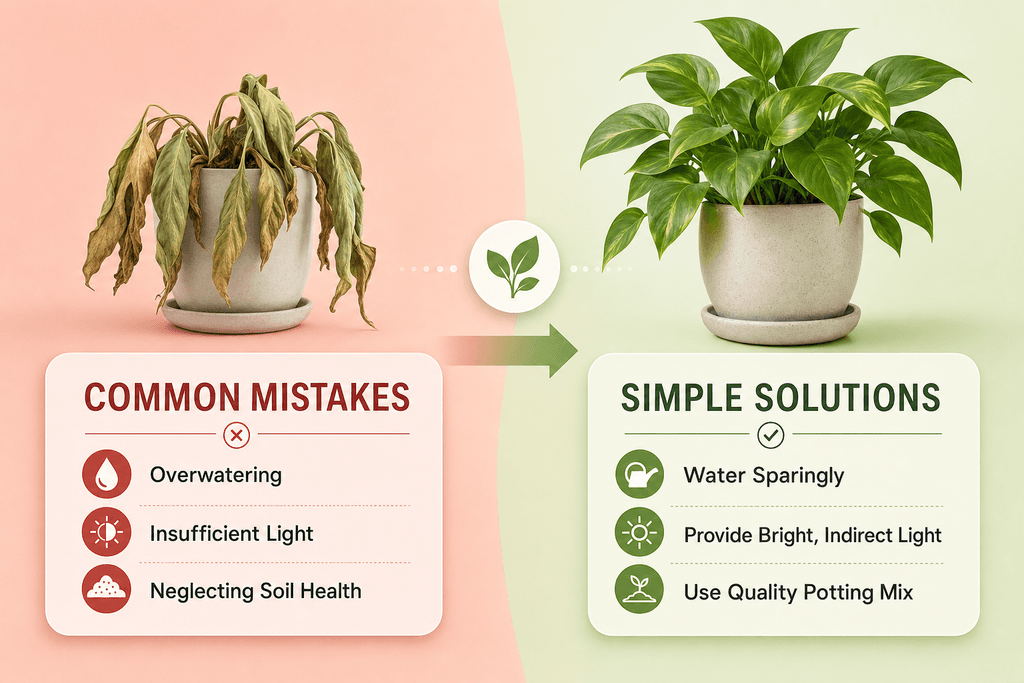
Most houseplants die from the same handful of mistakes, and the good news is that none of them are complicated to fix. When you search for how to care for this plant, you'll find tons of conflicting advice that makes everything seem harder than it really is. The truth is that all plants need the same five basic things to survive, and once you understand these elements, keeping any plant alive becomes way easier.
The Five Things Every Plant Needs
Whether you bought a rare tropical plant from Runo Plants or picked up something common from a big box store, the fundamentals stay the same. Every single plant on Earth needs light, water, air, nutrients, and the right temperature to grow and stay healthy.
Here's what each element actually does for your plant:
| Care Element | What It Does | Common Problem |
|---|---|---|
| Light | Powers photosynthesis | Too little or too much |
| Water | Transports nutrients | Overwatering |
| Air Flow | Prevents disease | Stagnant air |
| Nutrients | Supports growth | Wrong fertilizer timing |
| Temperature | Controls metabolism | Cold drafts |
How Plants Tell You What They Need
Plants can't talk, but they're actually pretty good at showing you when something's wrong. The leaves are usually the first place you'll notice changes, and learning to read these signals makes plant care way less stressful.
Watch for these common visual cues:
- Yellow leaves often mean too much water or not enough light
- Brown crispy edges usually point to low humidity or underwatering
- Drooping stems can signal either too much or too little water
- Pale new growth typically means the plant needs more nutrients
Why Most Problems Are Easier to Fix Than You Think
Research shows that about 80% of houseplant deaths come from just two issues: watering problems and light issues. That means if you get those two things right, you're already ahead of most plant owners.
The biggest mistakes people make are:
- Watering on a strict schedule instead of checking soil moisture
- Placing plants based on decor instead of light requirements
- Using the wrong pot size or type for their plant's needs
At Runo Plants, we include care cards with every order because we know that understanding these basics makes the difference between a plant that survives and one that actually thrives. Once you nail down the fundamentals, you can start experimenting with more challenging varieties.
Watering Without the Guesswork
Most houseplants die from watering mistakes, not from lack of love. The truth is that watering isn't about following a strict calendar or giving your plant a drink every Sunday. Different plants need different amounts of water, and even the same plant will need more water in summer than in winter. Your apartment's humidity, the pot size, and even the type of soil all change how often you should water. Learning to read what your plant actually needs takes the stress out of plant care.
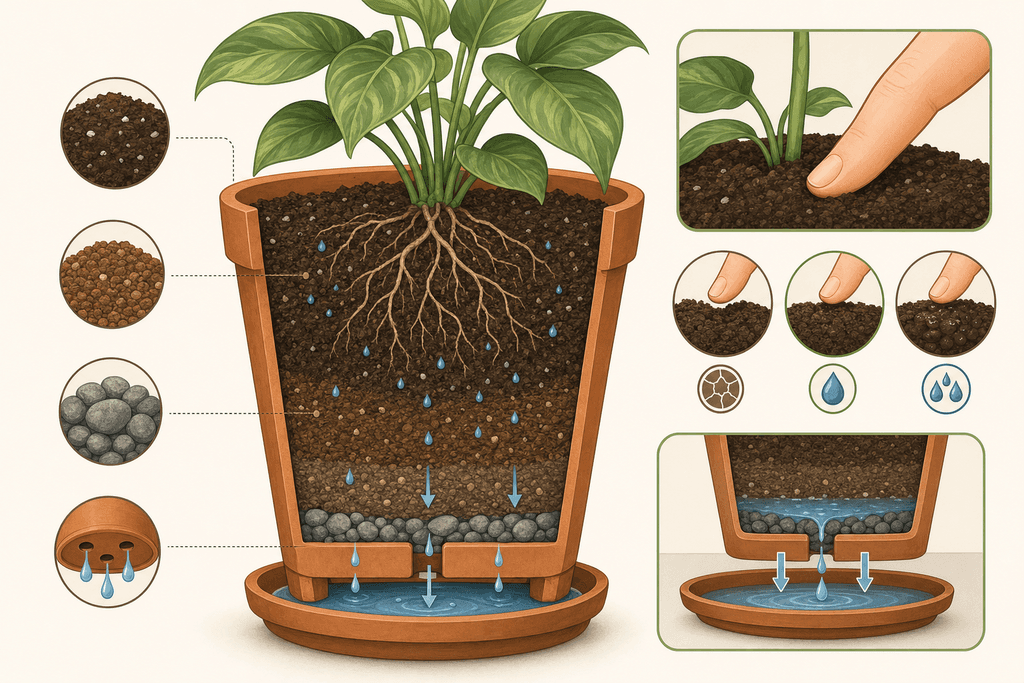
The finger test method is the easiest way to check if your plant needs water. Stick your finger about two inches into the soil. If it feels dry at that depth, it's time to water. If it's still moist, wait another day or two and check again.
- Small pots dry out faster than large pots
- Pots with drainage holes prevent water from sitting at the bottom
- Terra cotta pots dry out quicker than plastic or ceramic
- Plants in bright light need more frequent watering
When you do water, water thoroughly until it drains from the bottom. This ensures the entire root system gets moisture. Empty the drainage tray after 15 minutes so your plant isn't sitting in standing water, which leads to root rot.
Seasonal changes matter more than most people realize. During winter months when heating systems run constantly, the air in your apartment gets drier and plants may need water more often than you'd expect. In summer, increased light and warmth speed up growth and water use. Most tropical houseplants prefer room temperature water rather than cold tap water straight from the faucet.
Signs of Overwatering vs Underwatering:| Overwatering | Underwatering |
|---|---|
| Yellow leaves | Brown, crispy edges |
| Mushy stems | Drooping leaves |
| Moldy soil surface | Dry, pulling away soil |
| Root rot smell | Slow growth |
Creating a simple routine helps you stay consistent without overthinking it. Check your plants on the same two days each week. Not all of them will need water each time, but you'll catch the ones that do before they get stressed.
Getting the Light Just Right
Light is food for plants, but figuring out what counts as bright light versus medium light confuses almost everyone at first. The terms sound vague because they are. What plant sellers call bright indirect light might look different in a south-facing apartment versus a north-facing one. The good news is that you don't need to be perfect. You just need to understand what you're working with and watch how your plant responds.

Bright light means your plant sits within a few feet of a window where you can read a book comfortably without turning on a lamp during the day. Medium light is further back in the room where it's still naturally lit but dimmer. Low light is that corner where you'd definitely need a lamp to read.
- South-facing windows get the most intense light all day
- East-facing windows provide gentle morning sun
- West-facing windows get hot afternoon sun
- North-facing windows offer the lowest natural light
If you're working with a darker apartment or a windowless home office, you're not out of luck. Many plants like ZZ plants and certain philodendrons adapt well to lower light conditions. They grow slower, but they survive just fine.
Rotating your plants every week or two prevents them from leaning heavily toward the light source. This keeps growth even and the plant looking balanced. Just turn the pot a quarter turn each time you check for watering.
| Light Level | Distance from Window | Best For |
|---|---|---|
| Bright indirect | 0-5 feet | Most tropicals |
| Medium | 5-8 feet | Pothos, Philodendrons |
| Low | 8+ feet | ZZ, Snake plants |
For spaces that just don't get enough natural light, affordable LED grow lights work surprisingly well. You don't need expensive equipment. A simple clip-on grow light bulb in a desk lamp gives your plant the boost it needs. Plants like the Philodendron Brazil respond beautifully to supplemental lighting.
Watch your plant's leaves for clues about light issues. Pale or yellowing leaves often mean too much direct sun. Leggy growth with large gaps between leaves signals not enough light. Dark green, compact growth means you've found the sweet spot.
Soil, Feeding, and Repotting Made Simple
The soil your plant lives in does more than just hold it upright. It needs to retain enough moisture for roots to drink while also letting excess water drain away so those same roots don't drown. Regular potting soil from the hardware store works okay for some plants, but many tropical houseplants need something lighter and fluffier. That's why specialized mixes include things like perlite, orchid bark, or coco coir to improve drainage and let air reach the roots.
When you order from Runo Plants, your plant arrives in a soil mix optimized for its specific needs, prepared in our South Florida greenhouses. This takes the guesswork out of whether you're starting with the right foundation.
- Chunky, well-draining mixes work best for aroids like philodendrons
- Moisture-retaining mixes suit ferns and calatheas
- Cacti and succulents need fast-draining, gritty soil
- Adding perlite to regular potting soil improves drainage
Fertilizing doesn't need to be complicated. During the growing season from spring through early fall, feed your plants once a month with a balanced liquid fertilizer diluted to half strength. In winter, most houseplants rest and don't need fertilizer at all.
You'll know it's time to repot when roots start growing out of drainage holes or circling the inside of the pot. Plants that dry out extremely fast right after watering have likely outgrown their container. Most houseplants need repotting every 12 to 18 months, though fast growers might need it sooner.
Repotting Preparation Checklist:- Choose a pot one to two inches larger than the current one
- Gather fresh soil mix appropriate for your plant type
- Water your plant a day before to reduce transplant stress
- Gently remove the plant and loosen circling roots
- Place in new pot and fill around with fresh soil
- Water thoroughly and keep in moderate light for a week
The best time to repot is in spring when plants naturally put out new growth. Avoid repotting in winter when plants are dormant. If you're caring for rare varieties like the Philodendron White Princess or Philodendron Gloriosum, handle roots extra gently during the process.
After repotting, don't fertilize for at least a month. Fresh soil already contains nutrients, and you don't want to overwhelm a plant that's recovering from the stress of being moved. Just water as normal and let it settle into its new home.
Troubleshooting Common Plant Problems
Most houseplant deaths happen because owners misread what their plants are trying to tell them. Yellow leaves don't always mean overwatering, and brown tips aren't always a sign of neglect. Understanding how to care for this plant means learning to decode these visual signals before small issues become big problems. The good news is that most plant problems are reversible if you catch them early enough. At Runo Plants, we see these same questions come up again and again from both new plant parents and experienced collectors.
Reading Your Plant's Warning Signs
Yellow leaves tell different stories depending on where they show up on your plant. Lower leaves turning yellow usually means natural aging or overwatering, while yellowing throughout the entire plant often points to nutrient deficiency or too much direct sunlight. The pattern matters more than the symptom itself.
- Bottom leaves only: Check if soil stays wet for more than a week between waterings
- New growth yellowing: Your plant needs fertilizer or better light
- Random yellow spots: Look for pests or fungal issues
- Pale yellow overall: Move your plant to brighter indirect light
Brown tips and edges are almost always about humidity and water quality. Tap water contains minerals and chemicals that build up in soil over time, causing those crispy brown edges that make your plant look sad.
Pest Control Without the Chemicals
Chemical pesticides work fast but they're not always safe for homes with kids or pets. Natural solutions take a bit longer but they're just as effective when you stay consistent with treatment.
| Pest Type | Natural Solution | Treatment Frequency |
|---|---|---|
| Spider Mites | Neem oil spray | Every 3 days |
| Fungus Gnats | Dry out soil | Weekly watering |
| Mealybugs | Rubbing alcohol | Daily spot treatment |
| Scale | Soap and water | Every 5 days |
Drooping Leaves Decoded
Droopy leaves confuse people because they can mean opposite things. A thirsty plant droops because its cells lack water pressure, but an overwatered plant also droops because its roots are drowning and can't absorb water properly. The difference is in the soil.
- Dry soil plus drooping: Water thoroughly until it drains from bottom holes
- Wet soil plus drooping: Stop watering and check roots for rot
- Drooping after watering: Root damage or shock from temperature change
Learning how to care for this plant means checking soil moisture before making assumptions. Stick your finger two inches down into the soil to feel what's really happening below the surface.
Pet Safe Problem Solving
Pet owners need extra caution when treating plant problems because many common solutions contain ingredients that harm curious cats and dogs. Hydrogen peroxide diluted in water works for root rot without posing risks to pets who might drink from drainage trays.
- Use diluted hydrogen peroxide instead of fungicides for root issues
- Choose insecticidal soap over synthetic pesticides
- Keep neem oil treatments away from areas pets can lick
- Rinse leaves after treatment to remove residue
Bouncing Back from Mistakes
Everyone kills a plant or two while learning. The key is recognizing mistakes early and adjusting your care routine before damage becomes permanent. Most plants can recover from overwatering if you catch it within a week or two.
| Quick Fix Solutions | Works Best For | Recovery Time |
|---|---|---|
| Repotting in fresh soil | Root rot, overwatering | 2-4 weeks |
| Pruning damaged leaves | Pest damage, disease | 1-2 weeks |
| Adjusting light exposure | Leggy growth, pale leaves | 3-6 weeks |
| Changing water schedule | Wilting, yellow leaves | 1-3 weeks |
The plants we grow at our South Florida greenhouses go through careful monitoring to catch problems before they ship to customers. But even healthy plants need owners who know how to respond when issues pop up, which is why we share care advice through our live shopping events and social media channels.
Your Plant Care Confidence Starts Now
Learning how to care for this plant really comes down to three main things: getting the light right, watering when the soil tells you to, and keeping the humidity where your plant likes it. Most plant problems happen when one of these basics gets ignored for too long. The good news is that once you get into a rhythm, plant care becomes second nature and you'll start noticing what your plant needs before it even shows signs of stress.
You don't need to change everything at once. Pick one thing to focus on this week, maybe checking your soil moisture before watering or moving your plant to a better light spot. Next week you can tackle something else. Plant care gets easier with practice, and most plants are way more forgiving than you'd think.
If you're looking for plants that already come healthy from our greenhouses in South Florida, Runo Plants ships quality houseplants that are ready to thrive in your space. We've got everything from easy-care ZZ plants to rare varieties like the Philodendron White Princess, and our team actually answers questions when you need help.
The difference between a struggling plant and a thriving one usually isn't some secret trick. It's just consistent care based on what that specific plant actually needs. Now that you know the basics, you're already ahead of where most people start.
Plant Care Questions Answered
Learning how to care for this plant doesn't have to feel overwhelming, even if you're just starting out. Most plant problems come from the same handful of issues, and once you understand the basics, keeping your houseplants healthy becomes second nature. These are the questions we hear most often from new plant parents, and the answers might surprise you with how simple they really are. Whether you're dealing with watering confusion or wondering about that bag of coffee grounds in your kitchen, we've got you covered.
How often should I water my plant?
There's no magic number that works for every plant, which is why the "water once a week" advice falls short. Most houseplants do better when you water based on soil dryness rather than a schedule. Stick your finger about two inches into the soil, and if it feels dry, it's time to water. Plants in brighter light or warmer rooms will need water more often than those in cooler, shadier spots.
Can I use tap water for my plants?
Tap water works fine for most houseplants, but there are a few things to keep in mind. If your water is heavily chlorinated or treated with fluoride, some sensitive plants might show brown leaf tips over time. Letting tap water sit out overnight allows chlorine to evaporate, which helps reduce potential issues. For really picky plants, filtered or distilled water is worth considering, but most of the plants we grow at Runo Plants handle regular tap water just fine.
What's the best fertilizer for houseplants?
A balanced liquid fertilizer diluted to half strength works well for most indoor plants during their growing season, which is typically spring and summer. You don't need anything fancy or expensive. Feed your plants about once a month when they're actively growing, and skip fertilizing in fall and winter when most plants naturally slow down.
How do I know if my plant needs more light?
Plants will tell you when they're not getting enough light, you just need to know what to look for. Leggy growth with long spaces between leaves, smaller new leaves than old ones, or leaning heavily toward a window are all signs your plant wants more brightness. If a variegated plant starts losing its patterns and turning solid green, that's another clear signal it needs a sunnier spot.
When should I repot my plant?
Most houseplants need repotting every 1-2 years, but the plant itself will give you clues. Roots growing out of drainage holes, water running straight through without absorbing, or the plant drying out much faster than usual all mean it's time for a bigger pot. Spring is the best time to repot since plants are entering their active growth phase and recover faster from the transition.
Are coffee grounds good for plants?
Coffee grounds can benefit plants, but not in the way most people use them. Fresh grounds are actually acidic and can harm plants if added directly to soil in large amounts. Composted coffee grounds work better as a soil amendment, adding organic matter and a small nitrogen boost. For how to care for this plant properly, stick with regular fertilizer rather than relying on kitchen scraps, since you'll get more predictable and balanced nutrition that way.