

Philodendron Care Guide for Light, Water, Humidity, and Problems
Sep 12, 2026
Your philodendron can bounce back from weeks of neglect, but knowing the right philodendron care basics means you'll never have to test that limit. These tropical climbers naturally grow under rainforest canopies, which is why they adapt so well to the lower light and dry air in most apartments and home offices. Understanding just four simple care elements—light, water, humidity, and temperature—will keep your philodendron thriving instead of just surviving.
How often should I water my philodendron?
Philodendrons should be watered when the top 1-2 inches of soil feel dry to the touch, typically every 7-10 days depending on environmental conditions. Overwatering is the most common cause of philodendron health problems, so allowing partial soil drying between waterings is essential.
What kind of light does a philodendron need?
Philodendrons thrive in bright, indirect light and can tolerate medium to low light conditions, but direct sunlight will scorch their leaves. Placing them 3-5 feet from an east or west-facing window provides optimal light levels for healthy growth and vibrant foliage.
What is the ideal humidity level for philodendrons?
Philodendrons prefer humidity levels between 60-80%, though they can adapt to typical household humidity of 40-50%. Maintaining higher humidity through misting, pebble trays, or humidifiers prevents brown leaf tips and promotes larger, healthier leaves that mimic their native tropical rainforest environment.
Table of Contents
Understanding Your Philodendron's Natural Habitat
Philodendrons have been climbing through the rainforests of Central and South America for millions of years, long before they became popular houseplants. These tropical plants evolved in environments where they spent their lives growing up tree trunks, reaching toward filtered sunlight that barely made it through the thick canopy above. Understanding where your philodendron comes from is the secret to keeping it happy indoors, because every care tip you'll read basically comes down to recreating a tiny slice of that rainforest in your home. When you know what your plant expects from nature, suddenly all those care instructions about humidity and indirect light start making a lot more sense.
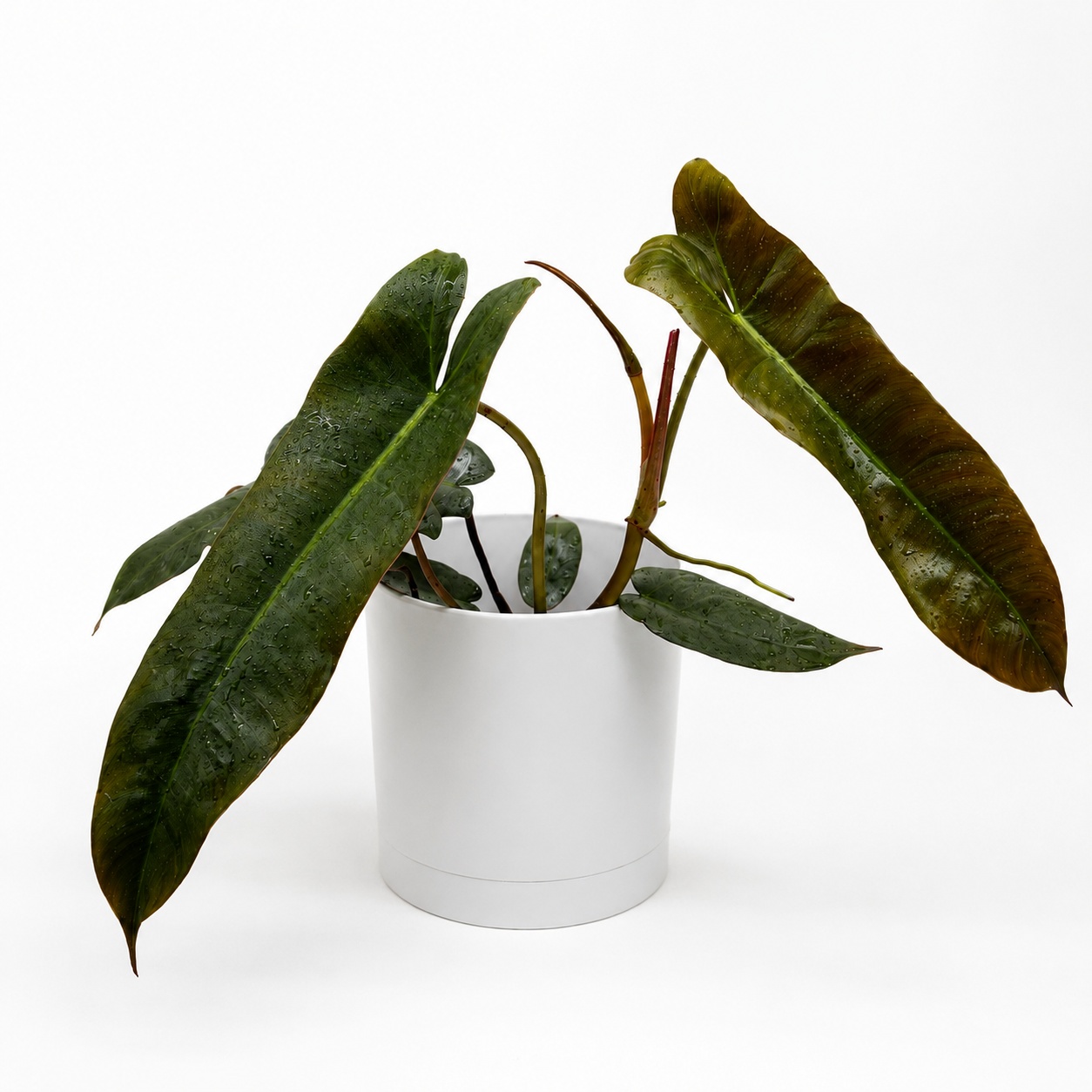
Philodendron Atabapoense
Life Under the Canopy
The rainforest floor where philodendrons start their lives is actually pretty dark. These plants never see direct sunlight in nature because massive trees block most of the light before it reaches them. This is why your philodendron will get sunburned if you stick it in a south-facing window with harsh afternoon rays.
Here's what a typical philodendron experiences in its natural home:
- Dappled, filtered light that changes throughout the day as leaves move in the breeze
- Humidity levels between 60-90% from constant moisture in the air
- Warm temperatures that rarely drop below 65°F, even at night
- Rich, well-draining soil made from decomposing leaves and organic matter
- Support structures like tree trunks to climb as they mature
Climbing vs Trailing Varieties
Not all philodendrons grow the same way in nature, which affects how you should care for them at home. Some species like the Philodendron Atabapoense are natural climbers that use aerial roots to attach themselves to trees and grow upward toward better light. Others, like the Philodendron Hederaceum 'Variegata', are more flexible and can either climb or trail depending on what support they find.
| Growth Type | Natural Behavior | Indoor Needs |
|---|---|---|
| Climbing | Grows up trees | Needs moss pole or support |
| Trailing | Cascades from branches | Works in hanging baskets |
| Self-heading | Grows upright naturally | Minimal support required |
Why This Matters for Indoor Care
When you bring a philodendron into your home, you're asking a rainforest plant to survive in a completely different world. Your house is drier, the light comes from windows instead of filtering through leaves, and the temperature probably fluctuates more than it would in the tropics. The good news is that philodendrons are pretty adaptable, which is exactly why they became popular houseplants in the first place.
The key to successful philodendron care is understanding what compromises your plant can handle and what it absolutely needs. For example, most philodendrons can tolerate lower humidity than they'd prefer, but they can't survive in bone-dry air forever. Using the right growing medium makes a huge difference too, which is why something like our Philodendron Premium Potting Mix mimics that loose, airy rainforest soil structure.
- Temperature stability matters more than hitting exact numbers
- Consistent watering beats perfect watering schedules
- Bright indirect light works better than any grow light setup
Light Requirements That Keep Leaves Healthy
Philodendrons grow naturally under the canopy of tropical rainforests, which means they're built for filtered light rather than harsh direct sun. In your home, this translates to placing them near windows where they get plenty of brightness without the sun's rays hitting the leaves directly. The right light spot makes the difference between a plant that just survives and one that actually grows new leaves every few weeks.
Bright indirect light is what you're aiming for, and east or north-facing windows work best for most philodendron varieties. These spots give your plant enough energy to photosynthesize without the risk of leaf burn. If you only have south or west-facing windows, you'll need to filter that intense afternoon sun with sheer curtains or move the plant a few feet back from the glass.
- Place philodendrons 3-5 feet from bright windows for optimal light
- East-facing windows provide gentle morning sun that won't damage leaves
- North-facing windows work well but growth may be slower
- Use sheer curtains to diffuse harsh afternoon sun from west or south windows
- Rotate your plant a quarter turn each week for balanced growth on all sides
Here's something most people don't realize until it's too late: variegated philodendrons need more light than solid green varieties. The white or cream sections on leaves like those found on the Philodendron Hederaceum 'Variegata' don't contain chlorophyll, so the plant needs extra light to compensate. If your variegated plant starts producing mostly green leaves, it's telling you it needs a brighter spot.
Direct sunlight causes brown crispy spots on philodendron leaves that won't heal or go away. Low light won't kill your plant immediately, but growth slows to a crawl and the spaces between leaves get longer and leggier. Watch your plant's behavior and it'll tell you what it needs.
- Can you read a book comfortably without artificial light? That's bright indirect light.
- Does the sun hit the spot directly at any time of day? Move the plant or add a filter.
- Are the leaves stretching toward the window with long stems? It needs more light.
- Do you see brown crispy patches on leaves? Too much direct sun.
Watering Schedule and Soil Moisture Balance
The number one mistake that kills philodendrons isn't underwatering, it's overwatering. These plants evolved to handle brief dry periods in nature, but their roots can't survive sitting in soggy soil for days on end. The trick is learning to read your soil's moisture level instead of watering on a fixed schedule, because conditions change with seasons, humidity, and pot size.
Stick your finger into the soil up to your second knuckle before you water. If the top 1-2 inches feel dry, it's time to water. If it still feels damp or cool, wait another day or two and check again. This simple touch test prevents more problems than any fancy moisture meter.
| Season | Typical Frequency | Notes |
|---|---|---|
| Spring/Summer | Every 5-7 days | Active growth period |
| Fall | Every 7-10 days | Growth slows down |
| Winter | Every 10-14 days | Minimal growth |
The soil mix you use determines how often you'll need to water and whether your plant thrives or struggles. Regular potting soil holds too much moisture and doesn't let air reach the roots, which leads to rot. Well-draining soil is non-negotiable for philodendron care, and that's why we developed our Philodendron Premium Potting Mix specifically for these plants. It provides the right balance of moisture retention and drainage that philodendrons need.
Yellow leaves that feel soft and mushy signal overwatering, while brown crispy leaves that curl up mean you've let the soil get too dry for too long. Always use room temperature water because cold water can shock the roots and slow growth. When you do water, water thoroughly until it drains out the bottom, then empty the saucer so the plant isn't sitting in standing water.
Humidity and Temperature for Tropical Growth
Philodendrons come from humid tropical environments where the air stays moist most of the time. While they're more forgiving than some other tropical plants, they still show stress when the air gets too dry. The good news is that most homes in homestead maintain decent humidity levels naturally, but apartments with heating or air conditioning running constantly can dry out the air fast.
Ideal humidity sits between 60-80%, but your philodendron will tolerate 40-50% without major complaints. Below 40%, you'll start seeing brown crispy tips on the leaves that won't go away. This is especially common in winter when heating systems strip moisture from indoor air.
- Group multiple plants together to create a humid microclimate through transpiration
- Place pots on trays filled with pebbles and water (bottom of pot above water line)
- Run a humidifier near your plants if you live in a dry climate
- Avoid placing philodendrons near heating vents or air conditioning units
- Bathrooms with windows make excellent high-humidity spots
Temperature matters less than humidity for most philodendron varieties, but there are still limits. Keep your plants between 65-80°F and they'll be happy. They can handle brief dips to 55°F, but anything lower risks permanent damage to the leaves and stems. Cold drafts from windows or doors in winter cause more problems than people realize.
The Philodendron Atabapoense shows its burgundy undersides more vibrantly when humidity stays high, making it worth the extra effort to boost moisture levels. If you're working from home in homestead, keeping a small humidifier at your desk benefits both you and your plants.
- Group 3-5 plants together on a table or shelf
- Keep a shallow tray of water near plants (evaporation helps)
- Mist leaves lightly 2-3 times per week (not a substitute for proper humidity)
- Run a small humidifier for 4-6 hours daily during dry months
Common Problems and How to Fix Them Fast
Even experienced plant owners run into issues with their philodendrons from time to time. The key is catching problems early before they become serious, and most issues show clear visual signs if you know what to look for. Your plant communicates through its leaves, and learning to read those signals saves you from losing a plant you've invested time and money into growing.
Yellow leaves are the most common complaint, and they almost always point to watering issues. If the yellow leaves feel soft and the soil is wet, you're overwatering. If they're crispy and the soil is bone dry, you've underwatered. Check your soil moisture and adjust your watering schedule accordingly.
| Problem | Cause | Quick Fix |
|---|---|---|
| Yellow leaves | Overwatering | Let soil dry out |
| Brown leaf tips | Low humidity | Increase moisture |
| Leggy growth | Insufficient light | Move closer to window |
| Drooping leaves | Underwatering | Water thoroughly |
| Brown spots | Direct sunlight | Filter or relocate |
Leggy growth with long spaces between leaves means your plant is stretching toward light it can't quite reach. Move it to a brighter spot and the new growth will come in fuller and more compact. You can prune back the leggy stems to encourage bushier growth from lower nodes.
Spider mites and other pests show up when conditions get too dry, especially in winter. These tiny bugs leave fine webbing on leaves and cause stippling or yellowing. Increase humidity and wipe leaves down with a damp cloth weekly to prevent infestations. Root rot requires immediate action because it spreads fast through the root system. If you catch it early, you can unpot the plant, trim away black mushy roots, and repot in fresh soil.
Most philodendron problems reverse themselves once you correct the underlying issue. The plant won't fix damaged leaves, but new growth will come in healthy if you've addressed the cause. For more specific guidance on different varieties, check out our detailed care guides for Philodendron Gloriosum, Philodendron Brazil, and Philodendron White Princess that cover variety-specific needs.
Your Philodendron Care Wrap-Up
Philodendron care really comes down to four simple things: bright indirect light, watering only when the top two inches of soil are dry, decent humidity, and well-draining soil. Most people run into trouble because they either water too much or stick their plant in a dark corner where it can't photosynthesize properly. The good news is that philodendrons are pretty forgiving, so even if you mess up a bit, they usually bounce back once you fix the problem.
The soil you use makes a bigger difference than most people realize. Regular potting soil holds too much water and doesn't let air reach the roots, which is why we developed our Philodendron Premium Potting Mix with the right balance of drainage and nutrients. It's the kind of thing that prevents problems before they start.
Whether you're growing a Philodendron Atabapoense with its dramatic burgundy undersides or a Philodendron Hederaceum 'Variegata' with its marbled leaves, the basic care stays the same. Different varieties might have slightly different needs, which is why we've put together specific guides for popular types like Philodendron Brazil, Philodendron White Princess, and Philodendron Painted Lady.
If you're in the Homestead area, you can always stop by Runo Plants LLC at 19605 SW 334th Street to see healthy philodendrons in person and get a feel for what proper care looks like. Sometimes seeing a thriving plant helps more than reading about it. But you probably still have some questions about specific situations, so let's get into those.
Philodendron Care Questions Answered
New philodendron owners often have similar questions when they bring these beautiful plants home. The good news is that most philodendron care issues are easy to fix once you understand what your plant needs. Whether you're dealing with yellow leaves or wondering about watering schedules, these answers will help you keep your philodendron healthy and thriving.
How often should I water my philodendron?
Water your philodendron when the top two inches of soil feel dry to the touch. This usually means watering once every 7-10 days, but it depends on your home's humidity and temperature. Stick your finger in the soil before watering to avoid overwatering, which is the most common mistake people make with philodendron care.
Can philodendrons survive in low light?
Philodendrons can tolerate low light conditions better than many houseplants, but they won't thrive there. They'll grow much slower and produce smaller leaves in dim spots. For the best growth and vibrant foliage, place your philodendron in bright, indirect light where it can show off its natural beauty.
Why are my philodendron leaves turning yellow?
Yellow leaves usually mean you're watering too much or too little. Overwatering is the most common culprit, causing roots to sit in soggy soil and suffocate. Check your soil moisture and drainage, and make sure you're using a well-draining mix like our Philodendron Premium Potting Mix, which prevents water from pooling around the roots.
Do philodendrons need fertilizer?
Philodendrons benefit from regular feeding during their growing season from spring through early fall. Use a balanced liquid fertilizer diluted to half strength every 4-6 weeks. Skip fertilizing in winter when growth naturally slows down, as feeding during dormancy can actually harm your plant.
Are philodendrons safe for pets?
No, philodendrons are toxic to cats and dogs if ingested. They contain calcium oxalate crystals that can cause mouth irritation, drooling, and digestive upset. Keep your philodendrons on high shelves or in rooms where curious pets can't reach them to avoid any problems.
How do I make my philodendron bushier?
Pruning is the secret to a fuller philodendron. Cut back leggy stems just above a leaf node to encourage branching and new growth. The plant will send out multiple shoots from where you made the cut, creating that bushy look everyone wants. You can even propagate those cuttings in water to grow more plants.