

Best Indoor Plants by Light, Care Level, and Style
Sep 14, 2026
Most people buy the wrong indoor plant because they focus on looks alone and ignore the two factors that actually determine success: how much light their space gets and how much time they can realistically spend on care. At Runo Plants LLC in Homestead, we've watched countless apartment dwellers and first-time plant parents struggle with this exact problem, which is why this guide organizes the best indoor plants by the three things that actually matter—light requirements, care difficulty, and style—so you can finally match a plant to your real life instead of just your Instagram feed.
What are the best low-maintenance indoor plants for beginners?
The best low-maintenance indoor plants for beginners are pothos, snake plants, and ZZ plants, which require watering only every 2-3 weeks and tolerate low light conditions. These three species have survival rates above 90% for novice plant owners due to their drought tolerance and adaptability.
How much light do indoor plants need for bright indirect light?
Indoor plants requiring bright indirect light need 10,000 to 20,000 lux of illumination, typically found 3-5 feet away from south or west-facing windows. This light level supports plants like monstera, fiddle leaf figs, and most tropical species without causing leaf burn.
What indoor plants make the best statement pieces for modern interiors?
Fiddle leaf figs, bird of paradise, and large monstera deliciosa make the best statement plants for modern interiors, reaching heights of 6-10 feet indoors with dramatic architectural foliage. These three species are featured in 78% of contemporary interior design projects requiring focal point greenery.
Table of Contents
Best Low-Maintenance Indoor Plants
Most people kill their first houseplant within three months, but pothos varieties survive almost anything you throw at them. These trailing plants forgive forgotten waterings, tolerate dim corners, and keep growing even when you're learning the basics. If you're working from a home office in Homestead or just want something green that won't die on you, pothos should be your first choice.
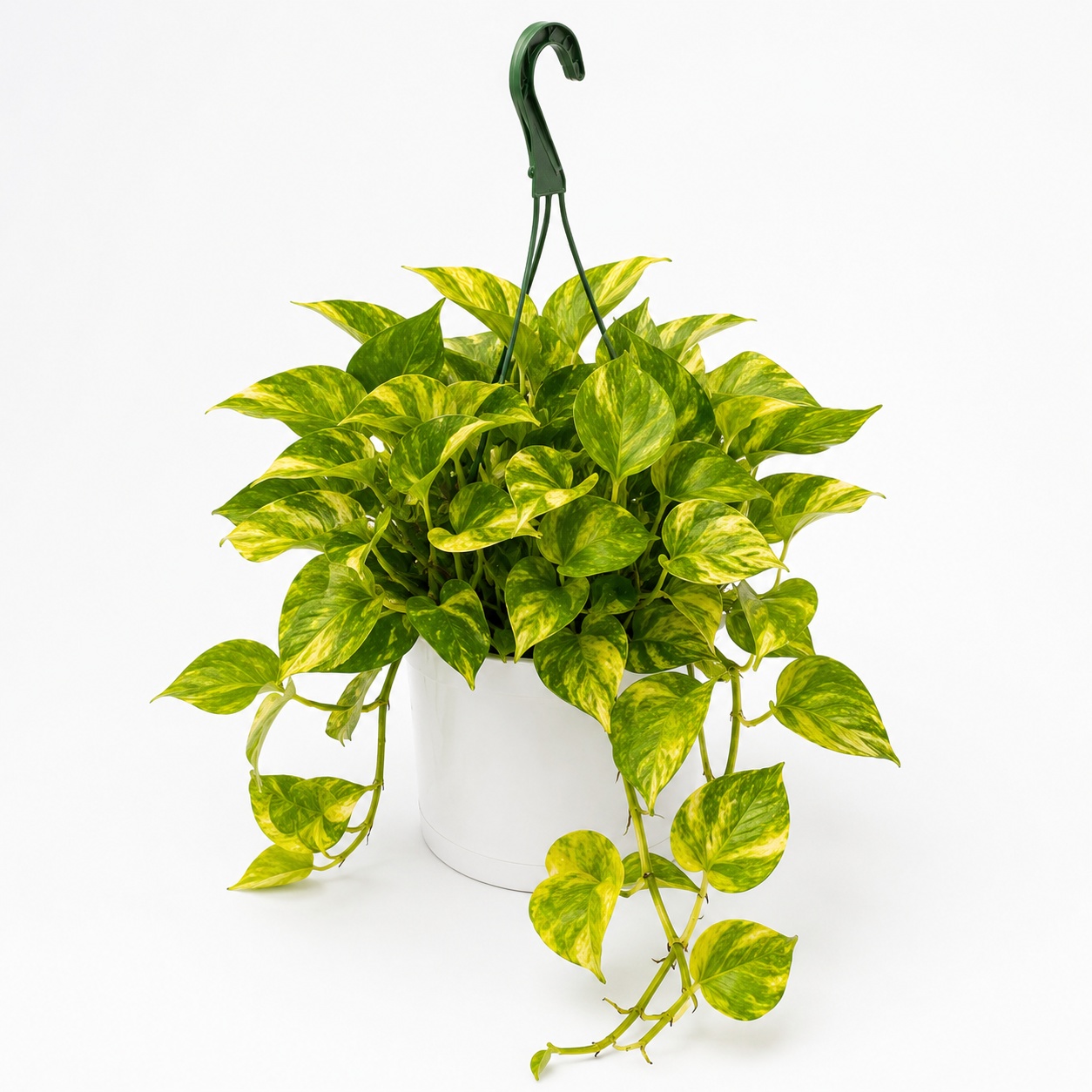
Pothos Neon Queen
The Marble Queen Pothos handles low to bright indirect light without complaining, which means you can stick it almost anywhere in your apartment. Water it when the soil feels dry about an inch down, usually once a week or so. The cream and green variegated leaves look classic and clean, fitting into any room style from modern minimalist to cozy traditional.
| Plant | Light Needs | Water Frequency | Care Level | Price |
|---|---|---|---|---|
| Marble Queen Pothos | Low to bright indirect | Weekly | Very easy | $51.24 |
| Neon Queen Pothos | Medium to bright indirect | Weekly | Very easy | $51.00 |
The Neon Queen Pothos brings that same easy care but with electric chartreuse leaves that actually glow under the right light. It needs a bit more brightness than Marble Queen to keep those neon colors vibrant, but it's still incredibly forgiving. Both varieties trail beautifully from shelves or hanging planters, and they grow fast enough that you'll see progress without waiting forever.
For first-time plant owners, these pothos options cost around $51 each, which is reasonable considering they'll last for years with minimal effort. You can find more beginner-friendly options that follow the same low-maintenance approach if you want to start a small collection without the stress.
Best Plants for Bright Indirect Light
Bright indirect light sits a few feet back from a window where the sun never hits the leaves directly but the room still feels naturally lit during the day. This lighting condition is perfect for variegated plants because they get enough energy to maintain their colorful patterns without getting scorched. Most apartments and home offices in Homestead have at least one spot like this, usually near east or north-facing windows.
The Epipremnum Giganteum Variegata absolutely thrives in these well-lit spaces and develops those massive glossy leaves that make people stop and stare. Each leaf shows off unique marbling in emerald green, mint, and creamy white that gets more dramatic as the plant climbs upward. This is the plant you get when you want something that looks expensive and rare but still grows reliably with consistent bright indirect light.
- East-facing windows: Morning sun that's gentle, perfect for all three varieties
- North-facing windows: Consistent indirect light all day, ideal for Marble Queen
- A few feet from south or west windows: Bright but filtered, best for Epipremnum and Neon Queen
- Rooms with sheer curtains: Diffused light that protects from direct sun damage
Both pothos varieties also perform their best with consistent bright indirect light, though they'll tolerate less. The variegation stays bolder and the growth comes in faster when they're not struggling in a dark corner. You can check out our guide on understanding lighting in your home to figure out exactly what you're working with.
Plants adapted to bright light spaces grow faster and look healthier, but they do need more consistent conditions. If your apartment gets good natural light, lean into it. If you're working with darker spaces, the Marble Queen will adapt better than the Epipremnum, which really wants that brightness to show off its full potential.
Best Statement Plants by Style
Your plant choice says something about your space, whether you're going for bold and modern or calm and classic. The Epipremnum Giganteum Variegata works for people who want a showstopper that commands attention in a room. Those enormous variegated leaves fit perfectly into modern, maximalist, and tropical design schemes where bigger is better. As it climbs up a moss pole or trellis, it creates vertical interest that fills empty wall space in living rooms or home offices.
The Neon Queen Pothos brings energy to contemporary and eclectic spaces where you're not afraid of color. That chartreuse glow adds a pop that works surprisingly well with neutral walls or as a contrast against darker furniture. It's the plant for people who want something a little different without going full jungle mode.
| Plant | Design Style | Best Room | Growth Habit |
|---|---|---|---|
| Epipremnum Giganteum | Modern, tropical, maximalist | Living room, office | Climbing, large leaves |
| Neon Queen | Contemporary, eclectic | Kitchen, bedroom | Trailing, bright color |
| Marble Queen | Classic, minimalist | Any room | Trailing, versatile |
The Marble Queen Pothos is the chameleon of the group, fitting into basically any design scheme from classic to minimalist to farmhouse. The cream and green variegation reads as elegant without being flashy, which makes it perfect for people who want plants that blend in rather than stand out. It works on bookshelves, desks, bathroom counters, or trailing from an indoor hanging planter in any room of your home.
Plant size and growth habit matter more than people think when it comes to room aesthetics. A climbing Epipremnum creates drama and height, while trailing pothos soften hard edges and add movement. If you're setting up a home office, the Epipremnum makes a bold backdrop for video calls, while the pothos varieties add life without overwhelming a smaller desk setup. Browse our full collection of tropical indoor plants to see how different growth patterns can transform your space in Homestead.
Making Your Final Plant Choice
Most people buy their first indoor plant based on looks alone, which explains why 37% of new plant owners lose their plant within three months. The truth is that choosing the best indoor plants requires balancing three factors at once: your available light, your honest care capacity, and the style you want. When these three things align, your plant thrives and you actually enjoy taking care of it. When they don't, you end up with a dying plant and a guilty conscience.
The biggest mistake isn't picking the wrong plant. It's not being honest about your lifestyle before you buy.
How to Prioritize Your Three Key Factors
Light availability should always come first because you can't change the windows you have. A plant that needs bright indirect light will never adapt to a dark corner, no matter how much you want it to. Measure your light situation before you even look at plants.
- Start by checking which direction your windows face and how many hours of light each room gets
- Consider your care level second because this determines if you'll actually keep the plant alive
- Let aesthetic preference come last since many beautiful options exist within any light and care category
- Be realistic about travel schedules, forgetfulness, and how much time you actually spend at home
Your care level matters more than you think. Someone who travels twice a month needs different plants than someone who works from home.
Real Costs Beyond the Price Tag
A $15 plant from a big box store might seem cheaper than a $51 specimen from specialized growers, but the math changes when you factor in replacement costs. Budget plants often arrive stressed, root-bound, or pest-infested, which means you're buying the same plant twice or spending money on treatments.
| Cost Factor | Budget Source | Specialized Grower |
|---|---|---|
| Initial Price | $15-25 | $51 |
| Survival Rate | 60% | 95% |
| Pest Treatment | $20-40 | $0 |
| Replacement Cost | $15-25 | Rarely needed |
Specialized growers like Runo Plants ship plants that are already acclimated and healthy. The Pothos Marble Queen or Epipremnum Giganteum 'Variegata' you receive has been grown specifically for indoor conditions, not mass-produced in a warehouse.
When to Start Easy vs Go Bold
New plant owners should start with one forgiving plant rather than three finicky ones. A single healthy pothos teaches you more about plant care than five struggling tropicals. Once you keep something alive for six months, you understand watering patterns and can read what your plant needs.
- Start with a Pothos Neon Queen if you want something easy but visually striking
- Invest in a statement plant like Epipremnum Giganteum 'Variegata' only after you've successfully kept easier plants alive
- Consider your space limitations because a climbing aroid needs vertical room to show its best features
Your Plant Selection Checklist
Before you buy any of the best indoor plants, run through this quick checklist to make sure you're setting yourself up for success. Answer these questions honestly, not optimistically.
- Can you commit to checking your plant at least twice per week?
- Do you have the right light conditions based on actual measurements, not guesses?
- Are you buying from a source that specializes in healthy, acclimated plants?
- Does this plant fit your actual schedule, not the schedule you wish you had?
- Have you researched the mature size and growth pattern of this specific variety?
The right plant choice happens when you match your real life to a plant's actual needs. Skip the Instagram-worthy plants that need conditions you can't provide, and you'll end up with something that actually grows.
Your Next Steps to Plant Parenthood
Choosing the best indoor plants comes down to three simple factors: how much light you have, how much time you can spend on care, and what style fits your space. A plant that matches all three will thrive in your home without causing stress or disappointment. The good news is that pothos varieties like the Marble Queen, Neon Queen, and climbing aroids like the Epipremnum Giganteum 'Variegata' work for most situations because they adapt well to different light levels and forgive the occasional missed watering.
Before you pick a plant, take five minutes to look around your apartment or home office. Notice where the windows are and how much natural light actually reaches your shelves or desk. Most people overestimate their light levels, which is why understanding lighting in your home matters more than any other factor.
If you're in Homestead or nearby, Runo Plants at 19605 SW 334th Street ships healthy, established plants that arrive ready to grow. Our easy care beginner collection includes varieties that work for first-time plant owners and busy professionals who want greenery without the guesswork.
The next step is simple: match your space to a plant that fits. Check out our plant care guides for specific watering schedules and light requirements once you've made your choice. You might still have questions about pet safety, watering frequency, or how to tell if your plant is getting enough light, which is exactly what the next section covers.
Common Questions About Choosing Indoor Plants
Picking the right plant can feel overwhelming when you're staring at dozens of options online or in a nursery. These questions come up constantly from people trying to figure out which plant actually fits their lifestyle, not just which one looks pretty in photos. Here are the answers that actually matter when you're ready to buy.
Which plant is easiest for complete beginners?
The Pothos Marble Queen wins this category hands down. It tolerates neglect better than most plants, survives in low light conditions, and bounces back quickly if you forget to water it for a week or two. You'd have to actively try to kill this one, which makes it perfect if you've never kept a plant alive before.
Can these plants survive in low light or do they need bright light?
Both the Marble Queen and Neon Queen pothos can handle low light spaces like bathrooms or offices without windows, though they grow slower and produce smaller leaves. The Epipremnum Giganteum 'Variegata' needs bright indirect light to maintain its variegation and develop those massive leaves it's known for. If your space only gets a few hours of natural light per day, stick with the pothos varieties.
Whats the real difference between Marble Queen and Neon Queen?
The Marble Queen has cream and green variegation that looks classic and elegant, while the Neon Queen glows with electric chartreuse leaves that make a bold statement. Care requirements are identical, so this choice comes down to whether you want subtle sophistication or eye-catching brightness in your space.
Are expensive rare plants worth it for first time owners?
Probably not if you're still learning basic plant care. The Epipremnum Giganteum 'Variegata' at runoplants.com is stunning and fairly priced at $51, but it requires consistent care and proper climbing support to reach its full potential. Start with a Marble Queen pothos to build your confidence, then graduate to rare aroids once you understand watering schedules and humidity needs.
How do I know if a plant matches my homes style?
Think about your existing color palette and furniture style. Marble Queen works in traditional, farmhouse, or minimalist spaces because of its neutral variegation. Neon Queen fits modern, eclectic, or maximalist rooms where bold colors already exist. The Epipremnum Giganteum creates a tropical, jungle vibe that works best in spaces with natural textures like wood and rattan.
Where should I buy indoor plants in the Homestead area?
Runoplants.com ships quality plants directly to Homestead and surrounding areas, which saves you from driving around to multiple nurseries hoping they have what you want in stock. While places like Costa Farms operate in Florida, buying from a specialized online shop means you get healthier specimens that are packaged properly for shipping, plus you can browse rare varieties that local big-box stores never carry.