

Hoya Care Guide for Light, Watering, Soil, and Indoor Blooms
Sep 26, 2026
Hoyas grow wild in the treetops of tropical Asia, clinging to bark instead of soil, which is exactly why so many houseplants end up drowning in the wrong pot mix. Get the light, water, and soil right, and these semi-succulent vines reward you with waxy leaves and clusters of fragrant, star-shaped blooms. If you're in Homestead and want a Hoya that's already off to a strong start, our team at Runo Plants LLC ships out healthy specimens ready to settle into your space, and below we'll break down exactly what yours needs to thrive.
How much light does a Hoya need to thrive indoors?
Hoyas need bright, indirect light for at least 6 hours daily, such as an east- or west-facing window; direct afternoon sun will scorch the leaves. Insufficient light is the leading cause of leggy growth and failure to bloom.
What is the best soil mix for Hoya plants to prevent root rot?
The best Hoya soil mix combines equal parts orchid bark, perlite, and coco coir to create a fast-draining, chunky medium that mimics their natural epiphytic habitat. Water only when the top 2 inches of soil are completely dry, typically every 10 to 14 days.
Why won't my Hoya bloom indoors?
A Hoya won't bloom indoors primarily due to insufficient light and being under 2-3 years old, since most varieties need to mature and receive bright, indirect light for 6+ hours to produce flowers. Slightly root-bound conditions and consistent temperatures above 60°F also encourage blooming.
Table of Contents
Light Requirements for Healthy Hoya Growth
Hoyas grow best in bright indirect light, the kind you get near an east or south-facing window with a sheer curtain hanging over it. If you're in an apartment in Homestead with a bright window that doesn't get direct afternoon sun, that spot works great. Too little light and the plant just kind of sits there, not doing much.
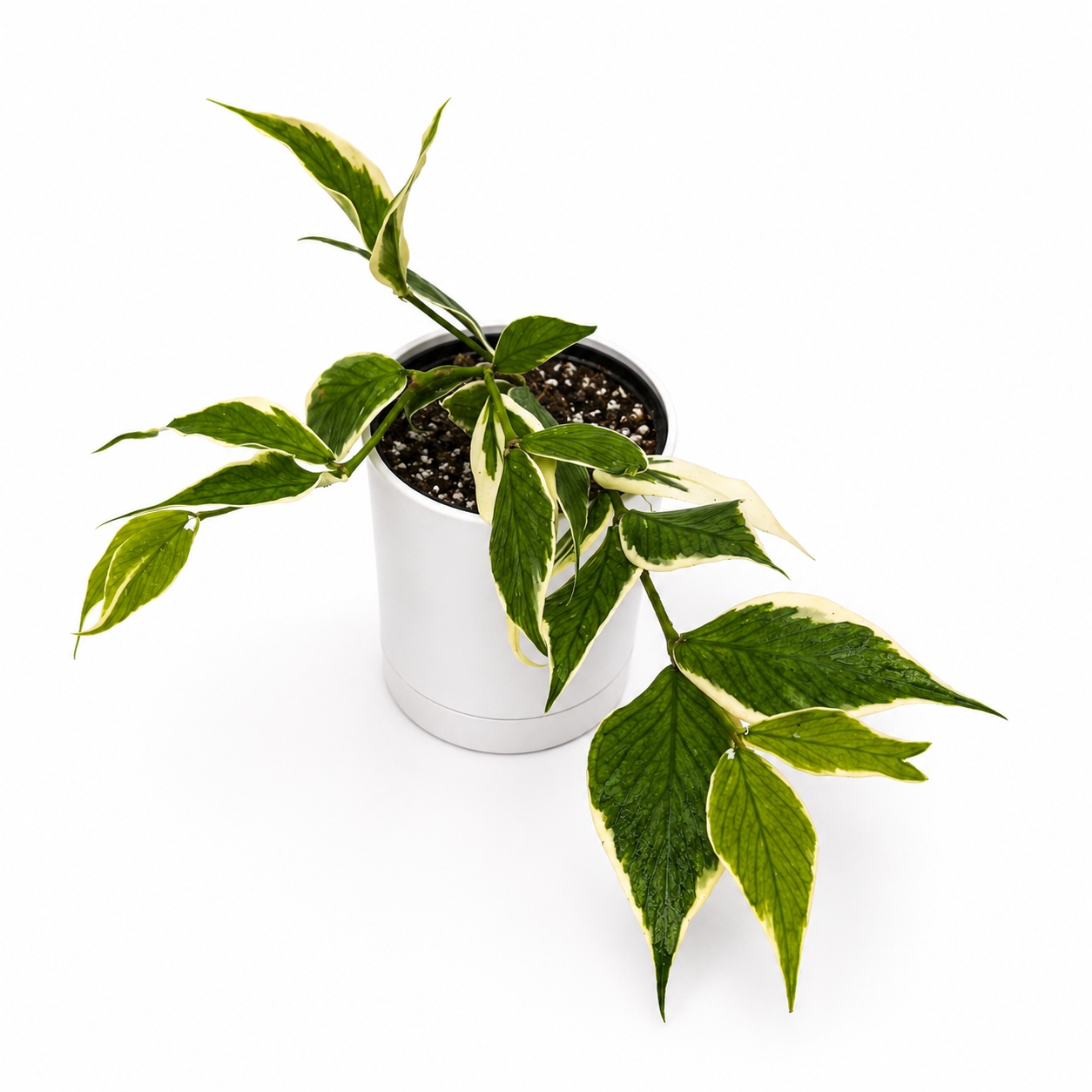
Hoya Polyneura 'Albomarginata'
The Hoya polyneura 'Albomarginata' is a bit different from other Hoyas since it needs slightly more light to keep its white variegation crisp and bright. Without enough light, the white edges on those fishtail leaves can start to fade back to green.
- Low light: leggy vines, slow growth, no blooms
- Bright indirect light: full leaves, steady growth, blooms possible
- Direct sun: scorched or crispy leaf edges
| Light Level | Growth Result |
|---|---|
| Low | Stretchy vines, no flowers |
| Medium | Slow but steady growth |
| Bright Indirect | Full leaves, blooms likely |
| Direct Sun | Scorched leaf tips |
If you notice your Hoya reaching toward the window with long, bare stretches between leaves, that's a sign it's asking for more light.
Watering and Soil Mix That Prevent Root Rot
Hoyas store water in their thick, waxy leaves, so they don't need frequent watering like a fern or a pothos. Let the soil dry out completely between waterings, then soak it well. Sticking your finger two inches into the pot is the easiest way to check.
The soil itself matters just as much as the schedule. Hoyas grow as epiphytes in the wild, clinging to trees with roots exposed to air, so a regular bag of potting soil holds way too much water for them.
- Orchid bark for chunky airflow
- Perlite for drainage
- Coco coir for a bit of moisture retention
Overwatering is the number one reason beginner Hoyas die, more than any pest or light issue. A quick checklist helps take the guesswork out of it:
- Check soil dryness with your finger before watering
- Water thoroughly until it drains out the bottom
- Dump excess water from the saucer right away
- Wait until the mix is fully dry again before the next round
Getting Your Hoya to Bloom Indoors
Hoya blooms happen when a few things line up at once, not just one lucky fix. The plant needs consistent bright light, a slightly snug pot, and a stable care routine it can count on week after week.
One rule trips up a lot of new owners: never cut off the old flower spurs, called peduncles, after blooms fade. New flowers grow from those same spurs, sometimes years later, so trimming them off means starting from zero again.
Hoya Bella is one of the more reliable bloomers once mature, producing clusters of white flowers with pink to purple centers and a sweet, honey-like scent. Hoya polyneura also blooms indoors, but it usually takes longer to settle into a stable routine first.
- Stress-flowering (letting roots get tight): can trigger blooms faster, but stresses the plant if overdone
- Stable, consistent care: slower to bloom but produces a healthier plant long term
Patience is part of the deal here. Some Hoyas take a year or more of steady care before that first bloom shows up, so don't give up on a plant just because it's quiet its first few months.
Wrapping Up Hoya Care
Getting light, water, and soil right sets up almost any Hoya to eventually bloom, whether it's a Hoya Bella on your office desk or a rare variegated fishtail Hoya by the window. If you want to go deeper on individual varieties, our general Hoya care guide covers the basics for the whole genus, while guides like Hoya Carnosa Amore care and Hoya Publicalyx care get into specifics for those types.
Wrap-up Keeping Your Hoya Happy and Blooming
Hoya care really comes down to three things: bright indirect light, chunky soil that drains fast, and letting the soil dry out before you drench it again. Get those right and blooms show up on their own time, since flowers reward consistency, not a perfect setup. If you're in Homestead and want to start with a healthy plant, Runo Plants LLC carries collector favorites like Hoya Bella and the rare Hoya polyneura 'Albomarginata'.
Every Hoya variety has its own quirks, so it helps to check specific guides before you commit to a new one. Take a look at care tips for Hoya linearis or Hoya carnosa 'Amore' to see how their needs stack up against the basics. Still have a few questions rattling around? The next section covers the ones we hear most.
Hoya Care Questions Answered
Got more questions rattling around? Here's the stuff people ask us most when they're figuring out Hoya care for the first time.
How often should I water my Hoya
Most Hoyas want their soil to dry out almost all the way before another drink, which usually means every 1 to 2 weeks. Sticking a finger in the soil beats any set schedule. Types like Hoya Bella hold water in thicker leaves, so overwatering is the bigger risk than underwatering.
Why is my Hoya not blooming
No blooms usually means not enough light. Hoyas need bright, indirect light for several hours a day to even think about flowering. Young plants also just need time, sometimes a couple years, before they're mature enough to bloom at all.
Are Hoyas safe for pets
Yes, Hoyas are considered non-toxic to cats and dogs, which makes them a solid pick for plant lovers with curious pets. That said, chewing on leaves can still cause mild stomach upset, so it's smart to keep any plant out of easy reach. The Hoya Polyneura Albomarginata is a good example of a pet-friendly trailer that still looks like a showpiece.