

Best Indoor Plants That Purify the Air at Home
Jul 25, 2026
You spend about 90% of your time indoors, but the air you're breathing might be two to five times more polluted than the air outside. Indoor plants that purify the air offer a natural, affordable way to filter out toxins like formaldehyde and benzene while adding life to your space. Whether you're working from a cramped apartment or setting up a home office, the right air purifying plants can make a real difference in how you feel every day.
Table of Contents
- The Science Behind Plants That Clean Air
- Top Air Purifying Plants for Beginners
- Best Air Filtering Plants for Low Light Spaces
- Pet Safe Plants That Purify Your Air
- Where to Place Air Purifying Plants for Maximum Effect
- Do Air Purifying Plants Really Work
- Start Your Air Purifying Plant Collection Today
- Common Questions About Air Purifying Plants
The Science Behind Plants That Clean Air
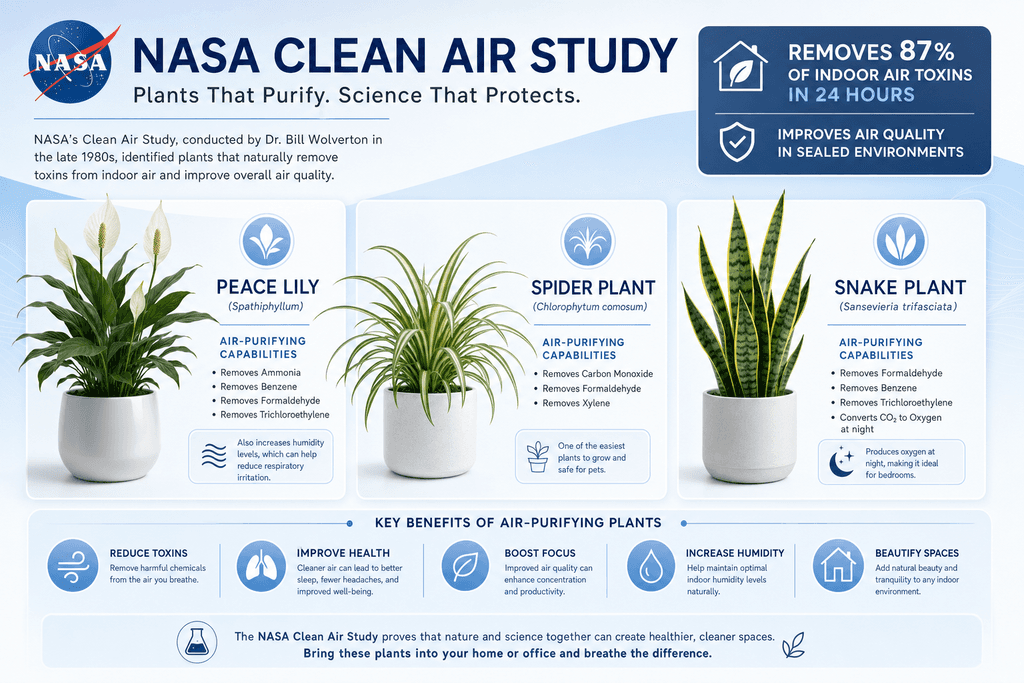
Back in 1989, NASA scientists were trying to figure out how to keep air clean inside space stations, and they discovered something pretty amazing. They found that certain indoor plants that purify the air could actually remove harmful chemicals from sealed environments. This wasn't just about oxygen production, which all plants do naturally. These specific plants that clean air were actively pulling toxins out of the air and breaking them down through their leaves and root systems.
What NASA Discovered About Air Filtering Plants
The NASA Clean Air Study tested common houseplants in sealed chambers filled with specific pollutants. The results showed that indoor plants that filter air could remove up to 87% of air toxins in just 24 hours. The plants weren't just masking bad air, they were actually absorbing it.
Here's what makes air purifying plants work so well:
- Plant leaves absorb gases through tiny pores called stomata
- The plant's roots and soil microbes break down toxic molecules
- Some plants store toxins in their tissues safely away from the air
- Larger leaf surfaces mean more air purification power
How Indoor Plant Air Cleaners Actually Work
When you breathe indoors, you're probably inhaling more than just air. Most homes contain invisible pollutants that come from everyday items. Air purification indoor plants tackle these chemicals through a process called phytoremediation, which is just a fancy word for plants cleaning up pollution.
The process happens in three main steps:
- Contaminated air touches the plant's leaves and gets absorbed
- The plant moves toxins down to its roots
- Helpful bacteria in the soil break down the harmful chemicals
Common Toxins That Air Purification Plants Remove
Your home probably has more chemical pollutants than you think. The good news is that plants that purifies air can handle most of them. At Runo Plants, we grow many varieties specifically known for their air-cleaning abilities, all shipped healthy from our South Florida greenhouses.
| Toxin | Common Household Sources | Health Effects |
|---|---|---|
| Formaldehyde | Furniture, carpet, paint | Headaches, throat irritation |
| Benzene | Plastics, detergents, cigarette smoke | Dizziness, drowsiness |
| Trichloroethylene | Dry cleaning, adhesives | Liver and kidney issues |
| Xylene | Markers, paint thinners | Confusion, breathing problems |
| Ammonia | Cleaning products, floor wax | Eye and lung irritation |
These chemicals build up in sealed homes and offices where fresh air doesn't circulate much. That's where indoor plants that purify the air become more than just decoration.
Top Air Purifying Plants for Beginners
NASA scientists discovered that certain houseplants can remove up to 87% of air toxins in just 24 hours. If you're new to the world of indoor plants that purify the air, you don't need a green thumb to get started. The best air purifying plants are actually some of the easiest to care for, which makes them perfect for anyone just starting their plant journey. These plants work quietly in the background, filtering out common household chemicals like formaldehyde and benzene while you go about your day. The trick is choosing varieties that can handle a little neglect while still doing their job of cleaning your indoor air.
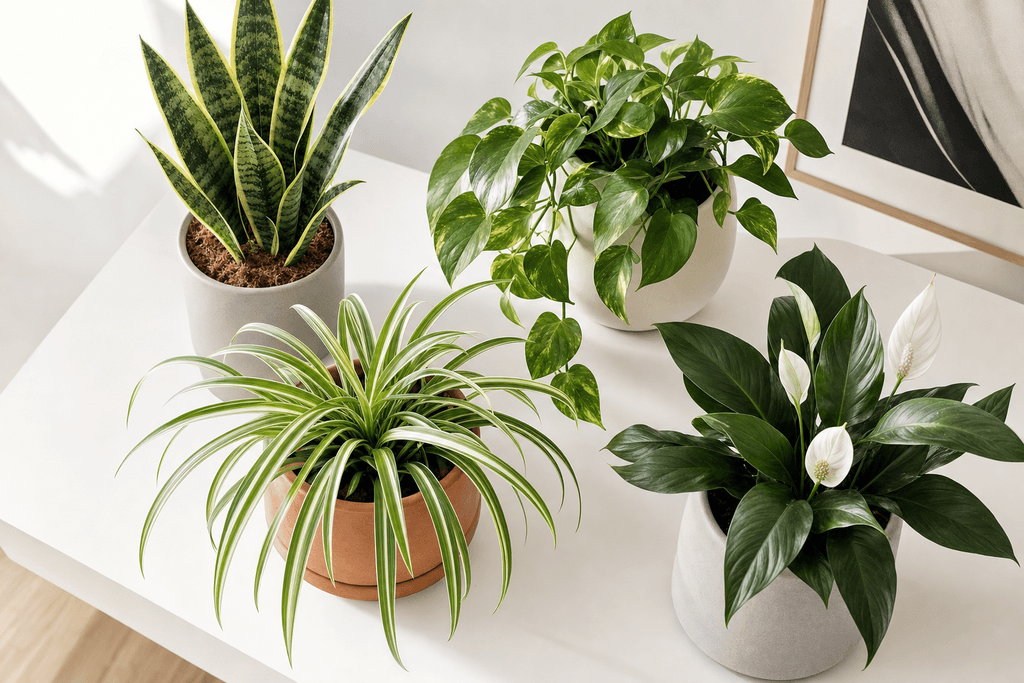
The snake plant tops the list for good reason. This plant survives weeks without water and actually prefers being ignored rather than fussed over. It filters formaldehyde from the air and releases oxygen at night, unlike most plants that only do this during the day.
- Pothos grows fast and removes multiple toxins including formaldehyde, xylene, and benzene
- Spider Plant is completely safe for pets and works great in hanging baskets where it produces baby plants
- Peace Lily produces elegant white flowers and removes mold spores from bathroom air
Each of these indoor plants that filter air has different light needs, but all tolerate average home conditions. Snake plants and pothos handle low light, while spider plants and peace lilies prefer bright indirect light. At Runo Plants, we grow these varieties in our South Florida greenhouses and ship them healthy and ready to start cleaning your air right away.
| Plant | Care Difficulty | Light Needs | Main Toxins Removed |
|---|---|---|---|
| Snake Plant | Very Easy | Low to Bright | Formaldehyde, Benzene |
| Pothos | Easy | Low to Medium | Formaldehyde, Xylene |
| Spider Plant | Easy | Bright Indirect | Carbon Monoxide |
| Peace Lily | Moderate | Medium to Bright | Mold Spores, VOCs |
Best Air Filtering Plants for Low Light Spaces
Most apartments and offices don't have floor-to-ceiling windows, but that doesn't mean you can't have plants that clean air. Some of the most effective air purification indoor plants actually prefer shadier spots and will thrive under conditions that would kill sun-loving varieties. These low light champions are perfect for that corner office with fluorescent lighting or the bedroom that only gets a sliver of morning sun. The key is matching the right plant to your specific lighting situation, which isn't as complicated as it sounds.
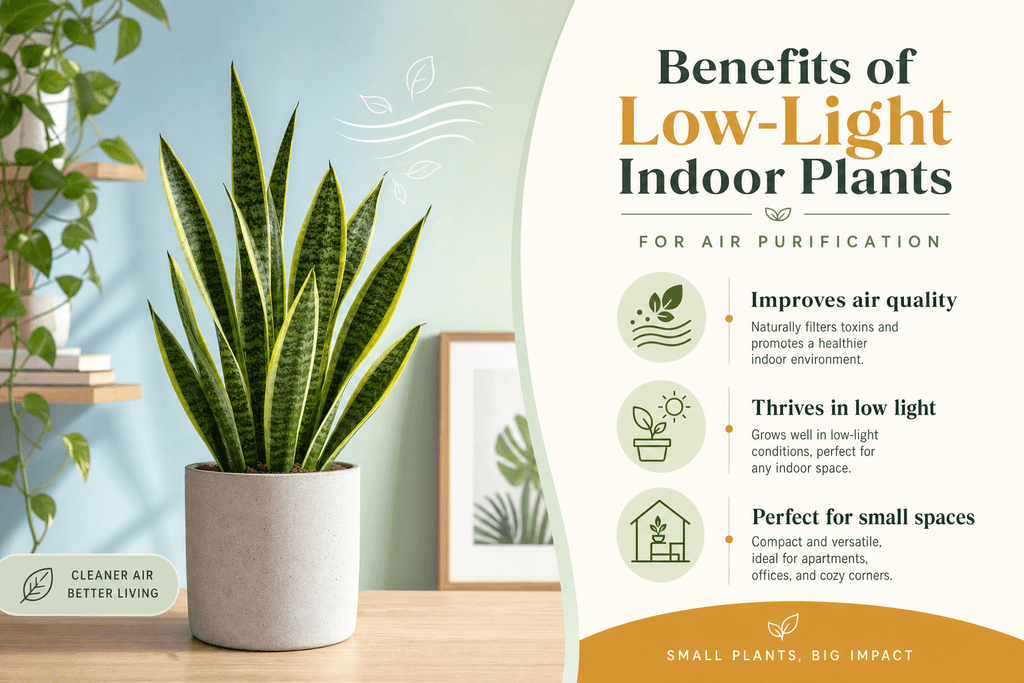
ZZ plants are nearly indestructible and handle fluorescent office lighting better than almost any other plant. Their thick, waxy leaves store water, so they forgive forgotten watering schedules. Dracaena varieties grow tall and dramatic, making them perfect statement pieces that also happen to filter benzene and trichloroethylene from your air.
The Chinese Evergreen comes in stunning colors from deep green to pink and red, proving that air filtering plants don't have to be boring. These shade-tolerant beauties remove toxins while adding a pop of color to darker rooms. Philodendrons are versatile climbers or trailers that propagate easily, so you can create more plants that purify the air from a single mother plant.
To maximize air purification in darker rooms, place your plants where they'll get the most available light without direct sun exposure. Research suggests you need about two medium-sized plants per 100 square feet for noticeable air quality improvement. That means a typical 10x10 bedroom benefits from at least two air purifying plants working together.
- North-facing windows work well for ZZ plants and philodendrons
- Bathrooms with small windows are perfect for dracaenas that love humidity
- Office cubicles under fluorescent lights suit Chinese Evergreens
- Hallways and entryways benefit from tall dracaena varieties
Pet Safe Plants That Purify Your Air
Finding indoor plants that purify the air without poisoning your curious cat or playful puppy requires some careful selection. Many popular air cleaning plants are toxic to pets, which puts pet owners in a tough spot when they want cleaner air but also want to keep their furry friends safe. The good news is several effective air purification plants are completely non-toxic to both cats and dogs. You just need to know which ones to choose and maybe adjust your placement strategy a bit.
Spider plants are completely safe for pets and actually seem to attract cats, though the plants won't harm them even if nibbled. Boston ferns love humidity and are safe for pets, making them perfect for bathrooms where they can filter air while enjoying the moisture from your shower.
- Areca palms bring tropical vibes and clean air without any risk to pets
- Parlor palms stay compact and work well on shelves away from jumping cats
- Both palm varieties remove formaldehyde and xylene from indoor air
Plants to avoid if you have pets include pothos, peace lilies, snake plants, and philodendrons. These are excellent air purifiers but can cause stomach upset or worse if your pets decide to taste them. You can explore our full pet-friendly collection to see all your safe options, or check out the pet-friendly mystery bundle for a curated selection.
Placement strategies matter even with pet-safe varieties. Hanging planters keep spider plants and Boston ferns out of reach while letting them cascade beautifully. Tall plant stands work for palms, giving them the height they need while making them less tempting to curious paws.
Where to Place Air Purifying Plants for Maximum Effect
The location of your indoor plant air cleaner matters just as much as which variety you choose. Different rooms have different air quality challenges, and strategic placement helps your plants work more efficiently while also keeping them healthy. Your bedroom needs different plants than your kitchen, and understanding these differences helps you create a whole-home air purification system. The best part is that proper placement also ensures your plants get the light and humidity they need to thrive.
Bedroom plants should release oxygen at night, which makes snake plants and aloe vera perfect choices. Place them on nightstands or dressers near windows where they'll get enough light during the day. These plants help filter the air you breathe for eight hours straight while you sleep.
Home office plants need to boost focus while cleaning air filled with electronics off-gassing. A medium-sized pothos on a shelf or a ZZ plant in the corner handles this job well. The general rule is one plant per 100 square feet for basic air cleaning, but doubling that number gives you noticeably fresher air.
- Kitchen and bathroom plants should love humidity - try Boston ferns or peace lilies
- Living room statement plants like dracaenas or large palms clean more air due to their size
- Avoid placing plants near heating vents or air conditioning units
- Keep plants away from drafty windows in winter
Common placement mistakes include putting sun-loving plants in dark corners or shade plants in bright windows. Another mistake is spreading plants too thin across your home instead of grouping them where you spend the most time. Your air purifying plants work best when placed strategically in the rooms where you actually live and breathe. For more guidance on choosing the right plants for your space, check out our guide on good indoor plants for beginners.
Do Air Purifying Plants Really Work
The famous NASA Clean Air Study from 1989 gets thrown around a lot when people talk about plants that purify the air, but here's what most articles won't tell you. That study was done in sealed chambers with way more plants than most people have in their homes. The research showed that certain indoor plants that filter air can remove toxins like formaldehyde and benzene, but the conditions were pretty different from your living room. Real-world results depend on a bunch of factors that marketing claims usually skip over.
Research Reality Check: You'd need about 10 plants per square foot to match NASA's air cleaning results. For a typical 500 square foot apartment, that's around 5,000 plants.
What the Numbers Actually Mean
More recent studies paint a clearer picture of how many air purifying plants you actually need. A 2019 study found that you'd need between 10 to 1,000 plants per square meter to compete with your building's air exchange system. That's a lot more than the three snake plants sitting on your windowsill.
- One or two plants won't dramatically change your air quality
- A collection of 6-8 medium to large indoor plants that purify the air can make a modest difference in a small room
- Plants work best when combined with proper ventilation and HEPA filters
- Bigger plants with more leaf surface area filter more air than tiny succulents
Setting Realistic Expectations
Here's the thing about air filtering plants - they're not going to replace your HVAC system. But that doesn't mean they're useless. Think of them as a helpful addition rather than a complete solution for indoor air quality.
| Room Size | Recommended Plants | Expected Impact |
|---|---|---|
| Small bedroom (100 sq ft) | 4-6 medium plants | Modest improvement |
| Living room (300 sq ft) | 10-15 medium plants | Noticeable difference |
| Open concept (500+ sq ft) | 20+ large plants | Measurable results |
Benefits Beyond Clean Air
The good news is that air purification indoor plants offer perks that go way beyond removing toxins. At Runo Plants, we see customers get excited about these bonus benefits all the time.
- Plants naturally increase humidity levels by 5-10%, which helps with dry skin and respiratory comfort
- Studies show that being around greenery reduces stress and improves focus
- Indoor plant air cleaner varieties create a calming environment that supports better sleep
- Taking care of plants gives you a sense of purpose and routine
The mental health benefits alone make plants that clean air worth having around. You might not notice cleaner air right away, but you'll definitely feel the difference in your mood and stress levels.
Start Your Air Purifying Plant Collection Today
You don't need to turn your home into a jungle to enjoy cleaner air. Starting with just one or two air purifying plants can make a real difference in your space. The key is picking plants that actually fit your lifestyle, whether that means low-light options for your basement apartment or hardy varieties that can handle a little neglect. Most people overthink this part and end up not starting at all.
Remember that plants that purify the air work best when you combine them with good ventilation and regular care. They're not magic air filters, but they do help remove toxins while adding life to your rooms. If you're working from home or spending most of your day indoors, even a small collection can improve your air quality over time.
At Runo Plants, we grow and ship healthy plants from our South Florida greenhouses, and our team can help you pick the right beginner-friendly options for your specific space. We've seen complete beginners succeed with these plants because most air purification indoor plants are actually pretty forgiving once you understand their basic needs.
The truth is, anyone can grow indoor plants that filter air successfully. You just need to start small, pay attention to what your plant is telling you, and adjust as you go. Your first plant might not be perfect, but that's how you learn what works in your home.
Common Questions About Air Purifying Plants
People have a lot of questions when it comes to using plants that purify the air in their homes. Some wonder if they actually work, while others want to know how many they need or which ones are safest around kids and pets. The truth is that while air purifying plants do help clean your indoor air, there are some realistic expectations you should have. Let's clear up the most common questions so you can make smart choices about which indoor plants that filter air are right for your space.
How many plants do I need to purify air in one room?
The NASA study suggested about one plant per 100 square feet, but more recent research shows you'd need closer to 10 plants per square foot to match a mechanical air purifier. For practical purposes, having 2-3 medium to large air filtering plants in an average bedroom or living room will help improve air quality, even if they won't replace your HVAC system. The more plants you have, the better the effect, but even a few can make a difference in how fresh your space feels.
Which plant removes the most toxins?
Peace lilies consistently rank at the top for removing multiple toxins including benzene, formaldehyde, and trichloroethylene. Spider plants and pothos are close runners-up and are much easier to care for if you're just starting out. At Runo Plants, we carry all three of these top performers, and they're some of our most popular indoor plants that purify the air because they actually deliver results.
Do air purifying plants work at night?
Most plants release oxygen during the day and carbon dioxide at night, but some like snake plants and aloe vera do the opposite. These plants continue filtering toxins 24/7 regardless of their oxygen cycle, making them perfect for bedrooms. The air purification process happens through the leaves and soil, not just photosynthesis, so your indoor plant air cleaner keeps working around the clock.
Can plants replace an air purifier?
Not really, but they can complement one. You'd need an unrealistic number of plants to match the filtration rate of a HEPA filter. That said, air purification indoor plants offer benefits machines can't, like adding humidity, reducing stress, and looking beautiful. Think of them as part of your overall air quality strategy, not a complete replacement.
What's the easiest air purifying plant for beginners?
Pothos wins this category hands down. It tolerates low light, survives if you forget to water it, and still removes formaldehyde and other toxins effectively. Spider plants are another foolproof option that's nearly impossible to kill. Both are perfect starter plants that clean air without requiring much experience or attention.
Are air purifying plants safe for pets and kids?
Some are and some aren't. Spider plants, Boston ferns, and parlor palms are completely pet-safe options that still filter air well. However, popular choices like pothos, peace lilies, and snake plants are toxic if ingested by cats or dogs. If you have curious pets or small children, stick with non-toxic varieties or place plants out of reach. Always check the toxicity before bringing any new plant home.