

Alocasia Care Guide for Light, Watering, Humidity, and Pests
Sep 19, 2026
A droopy Alocasia can look like it's dying one day and bounce back stiff and happy the next, which is exactly why so many first-time plant parents panic for nothing. Alocasia care really comes down to four things: light, water, humidity, and keeping pests off the leaves, and this guide walks through all of it in one place. Whether you're growing a compact plant on a Homestead apartment windowsill or picking out a bold new addition like the Alocasia 'Venom', the fixes below are simple enough for anyone to follow.
How often should you water an Alocasia plant?
Alocasia plants should be watered only when the top 2 inches of soil feel dry, typically every 7 to 10 days. Overwatering is the leading cause of root rot in Alocasia, so well-draining soil and pots with drainage holes are essential.
Why does Alocasia get crispy leaf edges?
Crispy leaf edges on Alocasia are caused by low humidity, typically below 50%, combined with inconsistent watering. Raising humidity to 60-80% and maintaining a regular watering schedule stops further crisping, though existing damage will not reverse.
What are the most common pests on Alocasia plants?
Spider mites and mealybugs are the most common pests on Alocasia plants, often appearing when indoor air is too dry. Both pests can be treated with insecticidal soap or neem oil applied directly to the leaves, including the undersides.
Table of Contents
- Why Alocasia Plants Are So Picky
- Getting Light and Water Right
- Humidity and Dormancy Basics
- Fixing Crispy Edges and Drooping Leaves
- Spotting and Stopping Common Pests
- Keeping Your Alocasia Thriving Long Term
- What Makes These Alocasia Varieties Worth the Effort
- Wrap-up Your Alocasia Care Routine
- Alocasia Care Questions Answered
Why Alocasia Plants Are So Picky
Deep in the rainforests of Southeast Asia and parts of Australia, Alocasia plants grow under a thick canopy of trees, soaking up warm humid air and getting light that's filtered and soft, never direct. This is basically their home turf, and it explains a lot about why they act the way they do inside our houses. When you bring an Alocasia into a living room with dry heat, low light, and cool drafts from an AC vent, you're asking a jungle plant to live somewhere completely different from what it knows. That mismatch is the real reason Alocasia care feels tricky for so many plant owners. It's not that these plants are fragile for no reason, they just have specific needs based on millions of years of growing in one type of environment.
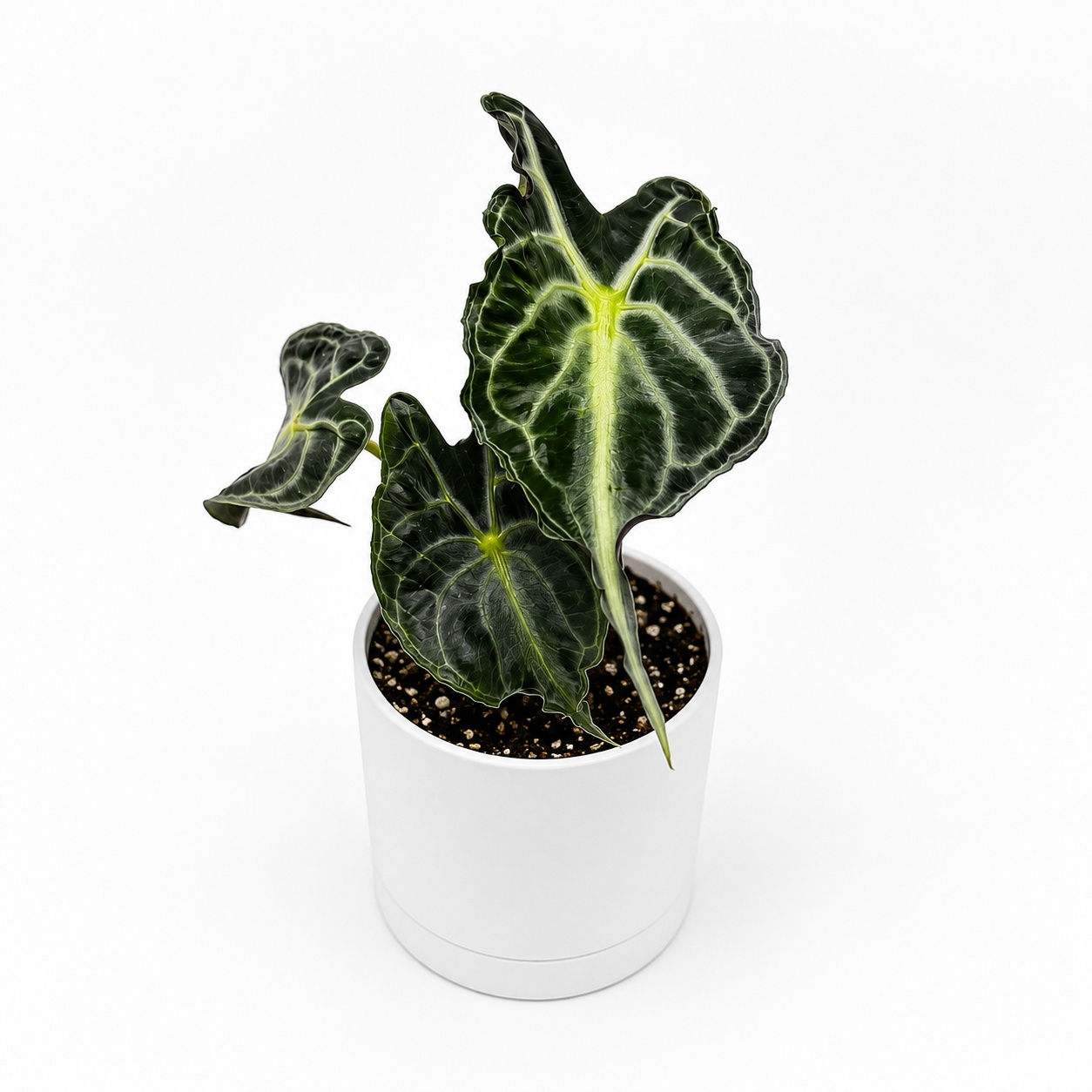
Alocasia 'Venom'
Once you understand where Alocasias actually come from, their dramatic reactions start to make more sense.
- Native to rainforests in the Philippines, Borneo, and other tropical regions
- Grow under tree canopies with dappled, indirect light
- Used to humidity levels most homes cannot naturally match
- Thrive in warm temperatures that rarely drop or spike suddenly
Homes are a different story. Heating and cooling systems dry out the air, windows filter out a lot of natural light, and temperatures swing throughout the day. Alocasia plants notice these changes fast, which is why they can droop or yellow seemingly overnight. Knowing their native habitat helps explain why Alocasia care is less about being complicated and more about getting a few key conditions right.
Here's a quick look at what these plants are used to and what they need to feel at home indoors.
| Condition | Ideal Range |
|---|---|
| Light | Bright, indirect light |
| Water | Moist soil, not soggy |
| Humidity | 60 percent or higher |
| Temperature | 65 to 80 degrees F |
Plants like the Alocasia 'Venom' and Alocasia White Dragon are especially sensitive to these shifts since their bold, textured leaves take a lot of energy to grow and maintain. Knowing this baseline gives you a starting point before diving into the specifics of light, water, humidity, and pest control.
Getting Light and Water Right
Alocasias are picky about light, and that's the number one reason people struggle with them. Bright, indirect light is non-negotiable for these plants — a spot near an east or north facing window works well for most Homestead apartments. Direct afternoon sun, especially through south facing windows common in Florida homes, will scorch the leaves fast. If you notice pale patches or crispy brown burns showing up within days, that's usually direct sun doing the damage, not a pest or disease. Alocasia Venom and White Dragon both do best in that filtered, bright light zone rather than a dark corner or a sunny sill.
Watering trips up just as many plant parents as light does. Water only when the top 2 inches of soil are dry, and never let the pot sit in a saucer full of water. Overwatering shows up as yellow, mushy leaves. Underwatering shows up as crispy, curling edges.
- Stick a finger 2 inches into the soil before watering
- Confirm the pot has drainage holes
- Water until it drains from the bottom, then dump the saucer
- Check again in 5-7 days rather than on a fixed schedule
Both Alocasia Venom and White Dragon prefer consistent moisture, not soggy soil. Think of it like a damp sponge, not a swamp.
Humidity and Dormancy Basics
Alocasias come from tropical rainforests, so they expect the air to feel like a greenhouse. These plants thrive at 60% humidity or higher, which is a lot more than the average home office or apartment living room provides. Central AC in the summer and heating in the winter both dry out indoor air fast, and that's when you'll start seeing those annoying crispy tips on your Alocasia Sinuata 'Quilted Dreams' or any other aroid nearby. A pebble tray, a small humidifier, or grouping your plants together near a bathroom or kitchen can all help push humidity up.
| Method | Pro | Con |
|---|---|---|
| Humidifier | Most reliable, adjustable | Costs money, needs refills |
| Pebble tray | Cheap, low effort | Small humidity boost only |
| Grouping plants | Free, easy | Doesn't work alone in dry rooms |
Fall and winter bring on dormancy, which is completely normal for Alocasia. Growth slows way down and some older leaves may yellow and die back — this isn't your plant failing, it's just resting. During this time, cut back on watering, but never let the corm (the bulb-like base) dry out all the way. A completely dried corm usually means the plant won't come back in spring.
Fixing Crispy Edges and Drooping Leaves
Every Alocasia owner eventually sees a leaf do something weird, and most of the time it's not a big deal. Crispy brown edges almost always mean low humidity or inconsistent watering — not enough moisture in the air or big swings between bone dry and soaking wet soil. Drooping leaves right after repotting or moving your plant to a new spot is just transplant stress, and it usually bounces back within a week or two. New leaves that take forever to unfurl are also completely normal, especially in lower light or cooler months.
| Symptom | Likely Cause | Fix |
|---|---|---|
| Crispy brown edges | Low humidity, uneven watering | Add humidifier, water consistently |
| Drooping after move | Transplant or relocation stress | Wait 1-2 weeks, keep care steady |
| Yellow leaves | Overwatering, root rot starting | Check roots, let soil dry out |
| Slow new growth | Low light or dormancy | Move to brighter spot, be patient |
Yellow leaves are the one symptom worth acting on quickly since they can signal root rot in the early stages. Pull the plant out of its pot and check if the roots look brown and mushy versus firm and white. If it's just one lower leaf turning yellow while the rest look healthy, that's often just natural leaf drop and nothing to worry about.
Spotting and Stopping Common Pests
Bugs love Alocasia leaves just as much as we do, unfortunately. Spider mites and mealybugs are the most common pests that show up on Alocasia indoors, especially during dry winter months when heaters are running. Spider mites leave tiny webs and speckled yellow dots on leaves, while mealybugs look like little white cotton fluffs tucked into leaf joints. Both spread quickly to other plants if you don't catch them early, so checking your collection regularly matters more than most people think.
- Flip leaves over and check undersides weekly
- Look closely at stem joints and new growth points
- Wipe leaves down monthly with a damp cloth
- Isolate any plant with visible bugs right away
Neem oil and insecticidal soap are safe, gentle treatments for most infestations and won't harm pets if you're keeping the plant away from curious cats or dogs. Spray in the evening, avoid direct sun right after treatment, and repeat every 7-10 days until the bugs are gone. If you're not sure whether a spot is a pest or just normal leaf variegation, our care team at Runo Plants LLC can help you figure it out — just reach out at support@runoplants.com or 718-844-0045.
Keeping Your Alocasia Thriving Long Term
Good Alocasia care really comes down to a few habits repeated consistently — bright indirect light, checking soil before watering, and keeping an eye out for pests before they spread. Once you get the rhythm down with one plant, it gets a lot easier to care for others in the Alocasia family, whether that's a Alocasia Polly or something bolder like the Alocasia Dragon's Breath. If you want a deeper dive into troubleshooting specific issues, our Alocasia care tips library covers more ground than we could fit here.
What Makes These Alocasia Varieties Worth the Effort
Some plants earn their reputation, and these three Alocasia varieties are proof of that. Alocasia care isn't hard once you know the basics, but these collector plants do ask for a bit more attention than your average pothos. The payoff is foliage that looks like nothing else on your shelf. Venom, Quilted Dreams, and White Dragon each bring their own texture and color story, but they run on the same basic care routine. That makes it easy to grow all three without juggling different watering schedules or light setups.
Here's how the three compare side by side:
| Variety | Light Needs | Size | Price |
|---|---|---|---|
| Alocasia Venom | Bright indirect | Compact | $49.80 |
| Alocasia Quilted Dreams | Bright indirect, some low tolerance | Compact | $39.00 |
| Alocasia White Dragon | Bright indirect | Compact to medium | $54.68 |
The compact size of these three plants is a big reason they work so well in apartments and home offices. You don't need a sunroom or a jungle-sized corner to grow one. A bright windowsill or a desk near a window usually does the job. This makes them a smart pick for anyone short on space but big on wanting a statement plant.
Alocasia are toxic if chewed, so pet owners need to keep them out of reach of curious cats and dogs. This isn't unique to these three varieties, but it's worth repeating since Alocasia are a popular pick for pet-owning plant lovers who sometimes forget to check.
A few reasons these varieties are worth the learning curve:
- Dramatic, almost sculptural leaf texture you won't find in common houseplants
- Compact growth habit that fits small spaces
- Shared care routine across all three, so mistakes are easy to avoid once you learn the pattern
- Genuine collector status, meaning your plant shelf gets an upgrade fast
Compared to what you'll find at big box nurseries or general plant subscription services, these varieties stand out because they're bred for texture and color intensity, not just easy care. A little consistency with light, water, and humidity turns into leaves that actually look like art.
Wrap-up Your Alocasia Care Routine
Alocasia care really comes down to three things: bright indirect light, watering only when the top inch of soil dries out, and humidity that stays above 50 percent. Miss one of these for too long and your plant will tell you fast. Drooping leaves usually mean thirst or shock, while crispy brown edges point to dry air or too much direct sun. The good news is that once you catch these signs early, most Alocasia plants bounce back within a week or two.
Every variety has its own quirks worth knowing. If you want to go deeper on specific types, check out our guides for Alocasia Polly, Alocasia Cuprea, or the striking Alocasia Watsoniana Lightning. Each one breaks down light, water, and humidity needs a little differently based on leaf thickness and growth habit.
Living in an apartment with dry indoor air or spotty light is one of the biggest hurdles for first-time plant owners. That's exactly why we grow varieties like Alocasia 'Venom', Alocasia Sinuata 'Quilted Dreams', and Alocasia White Dragon to be as resilient as they are beautiful, so you're not starting from scratch when it comes to figuring out what your space can support.
Here's a quick recap of the care pillars:
- Bright, indirect light for at least 6 hours a day
- Water when the top inch of soil feels dry, not on a fixed schedule
- Humidity above 50 percent, using a pebble tray or humidifier if needed
- Check leaves weekly for early signs of pests or stress
If your Alocasia is still giving you trouble after trying all this, Runo Plants LLC is based right here in Homestead at 19605 SW 334th Street, and we're happy to help troubleshoot. You can reach us at 7188440045 or support@runoplants.com. For a broader look at general care habits that apply across the whole Alocasia family, our Alocasia care tips guide is a solid next stop. Small, consistent effort now is what turns a struggling plant into one with bold, healthy leaves later.
Alocasia Care Questions Answered
Got a quick question about your plant and don't want to read a whole guide again? Here's the fast version. These are the questions we hear the most from folks growing Alocasia, whether it's a classic variety or something rarer like our Alocasia 'Venom'.
How often should I water my Alocasia
Water when the top two inches of soil feel dry, which is usually every 7 to 10 days. Alocasia hates sitting in soggy soil way more than it minds being a little dry, so when in doubt, wait another day.
Why is my Alocasia losing leaves
One or two yellow leaves here and there is normal, especially older leaves near the bottom. But if it's happening fast, it's usually one of these:
- Overwatering, which causes soft yellow or mushy leaves
- Underwatering, which causes crispy brown edges
- Low humidity, which shows up as curling or drooping
- A big temperature swing, like a cold draft from a window
Alocasia plants also naturally shed a leaf or two when they're about to push out a new one, so don't panic right away.
Are Alocasia plants safe for pets
No. Alocasia contains calcium oxalate crystals that are toxic if chewed or eaten by cats and dogs. Keep it up high or in a room your pets can't get into, just to be safe.
Can Alocasia survive low light apartments
It can survive, but it won't thrive. Alocasia wants bright, indirect light to really show off those bold leaves and grow at a steady pace. In low light it tends to get leggy, pale, and slow to push new growth, so a spot near an east or west facing window makes a big difference.
How do I bring an Alocasia out of dormancy
Don't panic if your Alocasia dies back to the soil in fall or winter. Cut back watering while it's dormant, keep the soil barely moist, and once you see a new shoot poking up in spring, slowly increase water and move it somewhere warmer and brighter. Patience is really the whole trick here.
Does Runoplants only sell rare Alocasia varieties
We carry a mix, from statement pieces like the Alocasia White Dragon to more compact options like the sinuata 'Quilted Dreams.' Every plant ships with basic care notes so you're not left guessing on day one.